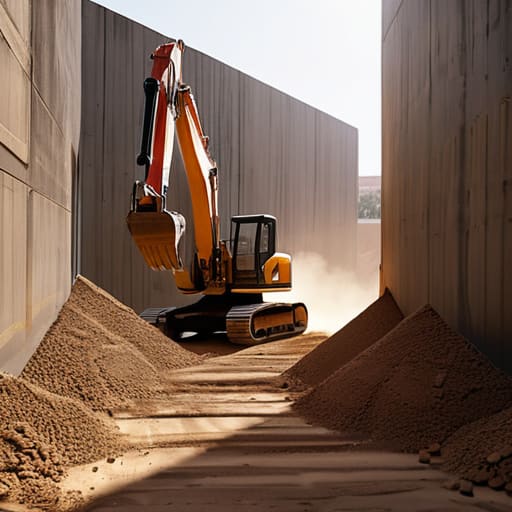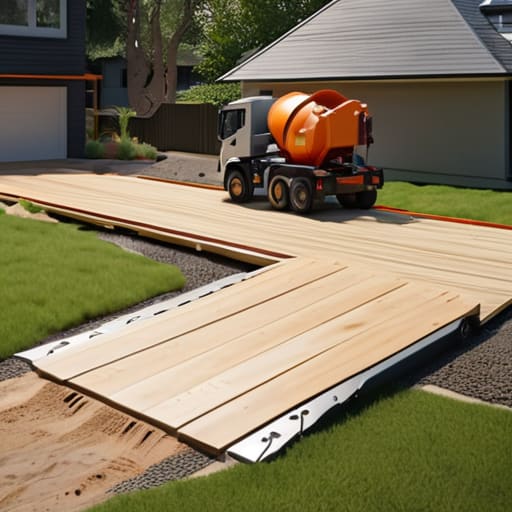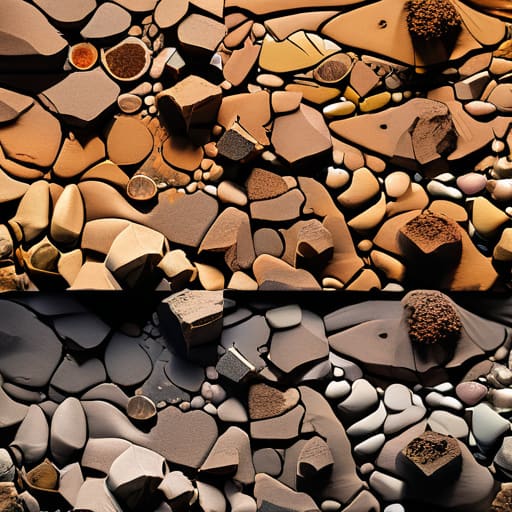
I remember standing on a site in the late nineties, watching a lad pour a massive, high-spec reinforced slab while the client stood by, beaming with pride. He’d spent a fortune on the mix, but he hadn’t spent a penny on a proper site investigation. I watched that slab for six months, and by the first heavy frost, it had split right down the middle like a dried biscuit. People love to talk about concrete strength and steel reinforcement, but they completely ignore the reality of how soil types affect foundations. You can buy the most expensive, high-grade mix in the country, but if you’re pouring it onto uncompacted clay or shifting silt, you aren’t building a house—you’re just decorating a disaster waiting to happen.
I’m not here to give you a lecture from a textbook or sell you some fancy chemical stabilizer. I’m going to tell you what I learned from forty-three years of seeing what happens when the ground gives up. We’re going to strip away the jargon and look at the actual dirt you’re working with, so you can understand why the sub-base is the only thing that truly matters.
Table of Contents
The Silent Killer Expansive Clay Foundation Issues
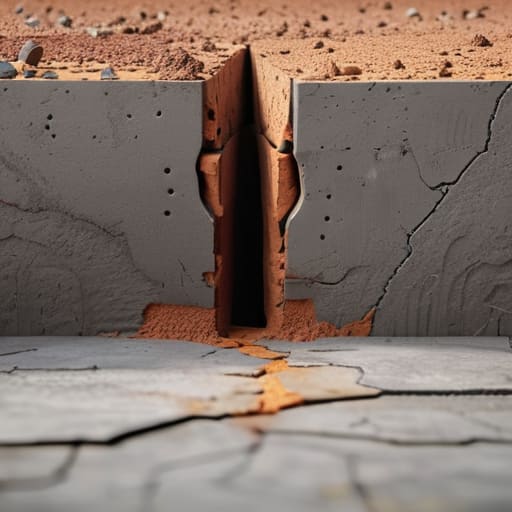
If you ask me, nothing makes my blood boil quite like seeing a beautiful, freshly poured slab start to heave because someone ignored the clay underneath. I’ve seen it a hundred times: a homeowner thinks they’ve got a solid footing, but they’re actually sitting on a sponge. When you’re dealing with expansive clay foundation issues, you aren’t just building on dirt; you’re building on a living, breathing thing that moves. In a dry spell, that clay shrinks and pulls away, leaving your footings hanging in mid-air like they’re on stilts. Then the rain comes, the clay swells up with a vengeance, and it pushes against your concrete with more force than most people realize.
It’s not just about the movement, though; it’s about the unpredictability. You can have the best soil compaction for construction in the world, but if you haven’t accounted for how that clay reacts to moisture, you’re fighting a losing battle. I always tell the young lads: if you see heavy, grey, sticky clay, don’t just dump your hardcore and hope for the best. You need to know how that ground is going to behave when the seasons turn, or you’ll be back there in two years explaining why their walls are cracking.
Why Soil Bearing Capacity Dictates Your Entire Build
Now, listen. You can have the most expensive, high-strength mix delivered on a shiny truck, but if that ground can’t hold the weight, you’re just pouring money into a hole. This is where soil bearing capacity comes into play, and it’s the one thing most blokes ignore until they see a crack running through their kitchen floor. Every bit of dirt has a limit to how much pressure it can take before it gives way. If you’re building on loose, sandy soil or poorly compacted fill, that weight isn’t staying put; it’s shifting.
I’ve seen it a hundred times: a lad thinks he can just throw a bit of hardcore down, whack it with a plate compactor for five minutes, and call it a day. That’s a recipe for disaster. Proper soil compaction for construction isn’t just a suggestion; it’s the difference between a slab that stays level for fifty years and one that starts tilting within six months. If the ground hasn’t been prepared to carry the specific load of your build, no amount of steel reinforcement in the concrete is going to save you from the inevitable movement.
Five Things You’ll Learn the Hard Way if You Skip the Groundwork
- Stop looking at the mix design and start looking at the moisture. If you’re building on clay, that soil is going to act like a sponge; it’ll swell up and heave your slab one season, then shrink and leave your footings hanging in mid-air the next. You need to know your water table before you even think about calling the ready-mix supplier.
- Get a proper compaction test done on your sub-base. I’ve seen lads try to save a few quid by just running a vibrating plate over some loose muck and calling it a day. That’s a recipe for a cracked slab. If that sub-base isn’t dense and stable, all the high-strength concrete in the world won’t stop the ground from settling underneath it.
- Don’t let a driver add water to the truck just because the mix looks “stiff” or because the lads are tired of working a hard load. Adding water on-site to make it easier to spread is the fastest way to kill your compressive strength and invite shrinkage cracks. If the mix is too dry for the job, order the right slump, don’t mess with the chemistry.
- Respect your drainage. You can have the best foundation in the country, but if you haven’t planned how the water moves away from the build, you’re just building a very expensive swimming pool. Saturated soil loses its bearing capacity faster than you can say “structural failure,” so get your gradients and your French drains sorted first.
- Watch the weather like a hawk during the first forty-eight hours. If you’re pouring in a heatwave without a curing plan, or in a frost without protection, you’re asking for trouble. The concrete needs to gain strength at its own pace; if you let it dry out too fast or freeze too soon, you’ve lost the battle before the first crack even appears.
Stop Looking at the Mix and Start Looking at the Ground
At the end of the day, you can spend a fortune on high-spec concrete and the most expensive reinforcement money can buy, but it won’t save you if you’ve ignored the ground. We’ve talked about why expansive clay will heave your footings right out of the earth and why a lack of bearing capacity is a recipe for a structural nightmare. If you haven’t accounted for the specific behavior of your soil before the first truck arrives, you aren’t building; you’re just gambling. You have to respect the sub-base, manage your drainage, and ensure that whatever is sitting under that slab is stable, compacted, and predictable.
I’ve spent forty-three years watching men try to outsmart nature with a bit of extra cement or a shallower dig, and I’ve seen it fail every single time. My advice? Don’t be in such a rush to get the pour started that you skip the most important part of the job. Take the time to understand what you’re building on. If you get the ground right, the rest of the build becomes a matter of simple sequence and discipline. Do the groundwork properly the first time, and you won’t be the one getting the phone call ten years later when the cracks start appearing.
Frequently Asked Questions
If I’ve already poured the slab and I’m seeing cracks, is it too late to fix the ground underneath?
Too late? For that specific slab, yeah, it’s too late. Once the concrete’s set and the cracks are showing, you aren’t fixing the ground anymore—you’re just managing the damage. You can patch the cracks, but if that sub-base is still shifting or that clay is still swelling, those cracks will be back before the putty is dry. You don’t fix a foundation by looking at the surface; you fix it by digging it up and doing it right.
How much do I actually need to compact that sub-base before I can trust it to hold a load?
If you’re asking me that, you’re already halfway to a cracked slab. You don’t just “give it a go” with a plate compactor and hope for the best. You compact in layers—no more than 150mm at a time—until that sub-base doesn’t move an inch under a heavy boot or a sledgehammer. If you can still see the pattern of the machine or the ground feels “spongy,” you haven’t done it. Keep going until it’s rock solid.
Can I just use a thicker concrete mix to make up for poor soil, or is that just throwing good money after bad?
Throwing more concrete at bad soil is like putting a thicker coat of paint on a rotting fence. It won’t stop the rot. You can pour a slab twice as thick as the spec, but if that ground shifts or swells underneath it, that extra concrete just gives the crack more weight to pull apart. You’re not building a stronger foundation; you’re just making a more expensive piece of rubble. Fix the sub-base first.