I remember standing on a job site in ’94, watching a lad try to pour a heavy slab over what looked like solid clay, only to watch the whole lot settle and heave like a living thing three months later. The site manager was shouting about the cost of drilling, but I knew then what everyone forgets: you can spend a fortune on the fancy mix, but if you don’t understand how site investigation works before the first shovel hits the dirt, you’re just throwing money into a hole. Most people think a site investigation is just some expensive bit of paperwork to tick a box for the council, but it’s actually the only thing keeping your ground from turning into a nightmare.
I’m not here to give you a lecture from a textbook or some sanitized, corporate version of the truth. I’m going to tell you how it actually works when the boots are on the ground and the weather is turning. I’ll show you what you actually need to look for in the soil, why those expensive boreholes matter, and how to spot the red flags before the concrete truck arrives. We’re going to strip away the jargon and focus on the only thing that matters: getting the ground right so you never have to deal with a crack in your lifetime.
Table of Contents
Why Subsurface Exploration Importance Trumps the Concrete Mix
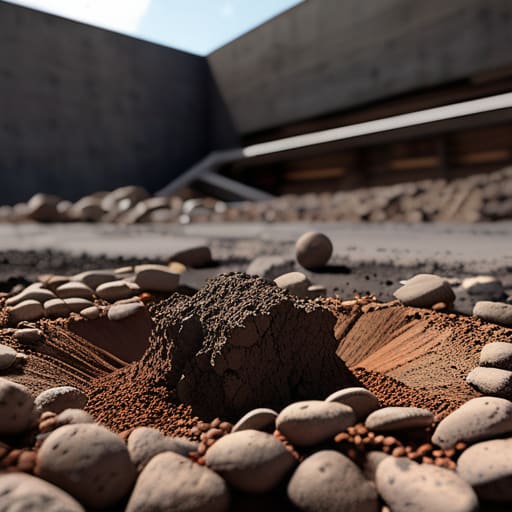
I’ve seen it a hundred times: a lad gets a fancy new spec for a high-strength C35 mix, spends a fortune on the delivery, and thinks he’s golden. He’s focused on the slump test and the aggregate size, but he hasn’t given a single thought to what’s sitting six inches below the surface. Let me tell you, you can pour the best mix in the world, but if you’re laying it on top of soft clay or uncompacted peat, you aren’t building a slab—you’re building a future disaster.
That’s where the subsurface exploration importance comes in. Most people think a site investigation is just a box-ticking exercise for the paperwork, but it’s actually the only thing standing between a solid foundation and a nightmare of settling and cracking. Whether you’re using various ground investigation techniques or just digging a few test pits, you need to know exactly what you’re fighting. If you don’t understand the layers you’re working with, all that expensive concrete is just going to follow the movement of the ground. You can’t fix a bad sub-base with a better mix.
Mastering Ground Investigation Techniques to Avoid Ground Failure
Now, you can’t just poke a stick in the mud and call it a day. If you want to avoid a nightmare, you need to understand that different ground investigation techniques serve different purposes. Some lads think a quick visual inspection of the topsoil is enough, but that’s how you end up with a slab that’s tilting by next Christmas. You need to know if you’re dealing with stable clay, loose sand, or something more sinister like peat that’ll compress the second you put any weight on it.
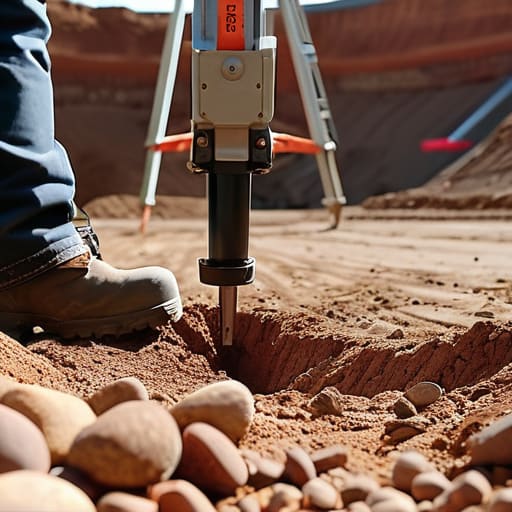
That’s where proper soil sampling methods come into play. You aren’t just looking for dirt; you’re looking for the truth of what’s underneath. Whether it’s trial pitting or using more advanced drilling to get samples from deep down, the goal is the same: you need to see the layers. If you skip these site characterization procedures, you’re essentially gambling with your reputation. I’ve seen too many “quick” jobs turn into expensive remedial work because someone was too lazy to check the strata properly. You do the digging right the first time, or you’ll be digging up the cracks later.
Five Things You Can’t Afford to Guess When You’re Looking at the Dirt
- Don’t trust a surface glance; you need to know what’s happening three, five, or ten metres down. A bit of decent topsoil can hide a pocket of soft clay or running sand that’ll swallow your slab whole once the weight hits it.
- Get your hands on the historical maps and old site records before you even think about breaking ground. If that patch of land used to be a filled-in pond or an old industrial yard, you aren’t just pouring concrete—you’re pouring it on top of a lottery ticket.
- Watch the water table like a hawk. I’ve seen more jobs go south because of unexpected groundwater than almost anything else; if you don’t know where the water sits, you won’t know if your sub-base is going to turn into a milkshake halfway through the pour.
- Stop treating trial pits like a box-ticking exercise for the paperwork. If you aren’t actually looking at the soil structure and the way it layers, you’re just wasting the client’s money and setting yourself up for a phone call in two years when the paving starts dipping.
- Test the chemistry, not just the hardness. You can have the most compacted hardcore in the world, but if there’s sulphates in the ground that eat your concrete from the bottom up, you might as well have skipped the investigation entirely.
Don't Let the Truck Arrive Too Early
At the end of the day, a site investigation isn’t just some box-ticking exercise for the architects or a way to burn through the budget before the real work starts. It’s the only thing that tells you the truth about what you’re actually building on. If you skip the boreholes, ignore the soil profiles, or assume the ground is as solid as it looks on a sunny afternoon, you’ve already lost. You can spend a fortune on high-spec, reinforced concrete, but if you haven’t accounted for the shifting clay or the hidden water table underneath, you’re just wasting good money. Remember: the mix is the easy part; it’s the subsurface reality that determines whether that slab stays level or ends up as a jigsaw puzzle of cracks in three years’ time.
My advice? Treat your ground investigation like it’s the most important part of the build, because it is. Don’t let anyone on site talk you into a “quick look” when the data says you need a proper probe. It’s much cheaper to pay for a few more days of testing now than it is to pay for a demolition crew and a legal team later. Build it right from the dirt up, and you’ll sleep better knowing that what’s underneath the surface is actually doing its job. Stop looking at the sky and start looking at the ground.
Frequently Asked Questions
If the ground looks solid and I’ve seen plenty of similar sites nearby, do I really need to pay for a proper investigation or can I just trust my gut?
Trusting your gut is how you end up staring at a cracked slab six months later. I’ve seen “solid” ground turn into a soup of clay or old peat the moment the rain hits, and no amount of “nearby sites” will save you from a localized pocket of bad soil. You aren’t paying for a report; you’re paying for the certainty that you won’t be back here fixing a disaster. Don’t gamble with the dirt.
How do I know if the soil report I've been handed is actually telling me what's happening ten feet down, or if they just scratched the surface?
Look at the borehole logs, not the summary. Anyone can write a fancy conclusion, but the truth is in the data. If they’ve only given you shallow trial pits and a “general opinion,” they’re guessing. I want to see the actual descriptions of the strata at depth—the moisture content, the soil type, and the blow counts. If they haven’t drilled deep enough to hit something consistent, they haven’t investigated; they’ve just poked the dirt.
At what point in the job does the investigation actually stop and the real work begin—is it just about the dirt, or does it change how I plan my drainage and sub-base?
The investigation stops when the paperwork is signed, but the real work starts the second you pick up a shovel. It’s never just about the dirt. If your investigation shows heavy clay or a high water table, you aren’t just looking at a hole in the ground; you’re looking at a complete redesign of your drainage and your sub-base thickness. You don’t just pour over a problem; you engineer your way out of it before the first truck arrives.