I remember standing on a site in ’94, watching a lad try to charm an inspector by pointing at a perfectly level, freshly poured slab. The inspector didn’t even look at the concrete; he just knelt down in the mud, poked a finger into the edge of the trench, and told the lad to stop wasting his time. People think the real test is the mix or the finish, but they’ve got it backwards. If you want to know how building control inspects groundwork, you need to stop looking at the shiny stuff and start looking at the dirt. They aren’t there to admire your workmanship; they are there to find the shortcuts you took before the first truck even backed into the site.
I’m not going to give you a textbook lecture or a list of regulations that’ll put you to sleep. I’ve spent forty-three years watching inspectors catch mistakes that would have cost a fortune to fix later, and I’ve seen plenty of good men fail because they ignored the basics. I’m going to show you exactly what they are looking for—from your compaction to your drainage layers—so you can get it right the first time. No fluff, no nonsense, just the truth about what happens underneath the surface.
Table of Contents
Building Control Notice Submission the Paperwork That Saves Your Site

Now, don’t go thinking that once you’ve dug the hole, your job is done. Most lads I knew—and I’ve seen plenty of them—treated the building control notice submission like a bit of a nuisance, something to be pushed to the bottom of the pile. That’s a mistake that’ll cost you more than just a fine. You aren’t just filling out forms to tick a box for some clerk in an office; you’re setting the stage for the actual structural integrity verification that happens once the inspector finally pulls up in their van. If you haven’t notified them properly, you’re essentially inviting them to tear up everything you’ve just spent days prepping.
I’ve stood on sites where a man had already started pouring because he thought the paperwork could wait. By the time the inspector arrived to check the foundation inspection requirements, the concrete was already setting. Now he’s got a choice: let a potentially dodgy slab stand, or make you break it out and start again. It’s a nightmare. Get your notice in early, keep your site logs tidy, and treat the paperwork with the same respect you give your levels. It’s much easier to manage a bit of ink than it is to manage a cracked slab.
Excavation Inspection Checklist Finding the Flaws Before They Set
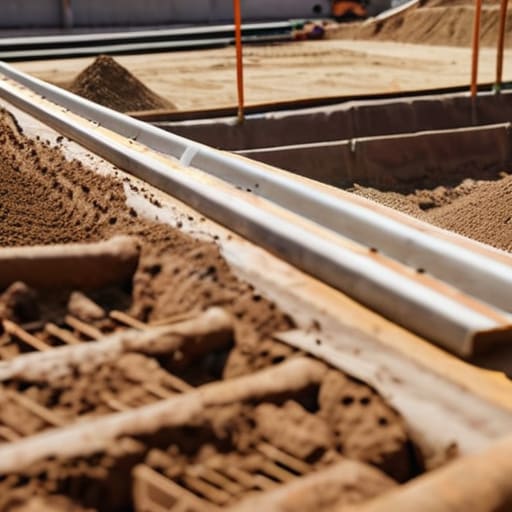
When the inspector shows up for the excavation inspection checklist, they aren’t there to admire your digging skills; they’re looking for the mistakes you thought you could hide with a bit of loose soil. I’ve seen lads try to bury soft spots or organic matter under a layer of Type 1, thinking no one would notice once the concrete is in. That’s a fool’s errand. The inspector is going to check the depth, the width, and most importantly, the bearing capacity of that bottom. If they see any standing water or soft, spongy ground, they’ll shut you down right then and there.
You need to understand that structural integrity verification starts in the pit, not the mixer. They’ll be checking that your trenches are clean and that you haven’t compromised the sides by over-digging. If your trenches look like they’ve been dug by a man in a hurry rather than a professional following a plan, you’ll fail your building regulations compliance check before you’ve even thought about reinforcement. The ground has to be solid and stable—if the inspector can’t trust what’s under the footing, they won’t trust the slab that sits on top of it.
Five Things the Inspector is Actually Looking For (While You’re Looking at the Truck)
- The compaction of your sub-base. Don’t think for a second they’re just glancing at the level; they want to see that you haven’t just raked it flat and called it a day. If that MOT Type 1 hasn’t been rammed properly, that slab is going to be a spiderweb of cracks before the first frost hits, and the inspector will spot the lack of effort immediately.
- The integrity of your trench bottoms. I’ve seen too many lads pour straight into a muddy, soft bottom because they were in a rush to get the concrete down. Building control is looking for firm, unyielding ground. If they see standing water or loose, uncompacted silt at the bottom of that excavation, they’ll stop the job right there.
- The depth and placement of your reinforcement. They aren’t just checking that the steel is in there; they’re checking that it’s actually doing its job. If your mesh is sitting on the dirt or shoved right against the edge of the formwork instead of being lifted into the middle of the pour with proper spacers, you’ve wasted your money and they’ll know it.
- The drainage and service clearances. It’s not enough to have a level base; you’ve got to show that the pipes and cables aren’t going to cause the ground to settle unevenly later. They’ll be looking to see if your bedding for those services is up to scratch, because a sinking pipe is a recipe for a cracked foundation.
- The moisture content of the ground. If you’re pouring on ground that’s bone-dry and thirsty, that soil is going to suck the moisture right out of your mix before it can cure properly. An inspector knows that a thirsty sub-base is a death sentence for a good pour, so expect them to check if the ground is properly prepared and dampened down where it needs to be.
The Bottom Line Before the Truck Arrives
Look, if you think Building Control is just there to tick a box and sign off on your expensive mix, you’ve already lost the battle. They aren’t interested in how smooth your screed looks once it’s finished; they are looking for the mistakes you tried to hide in the trenches. From the moment you submit that initial notice to the final inspection of your compacted sub-base and reinforcement, every step is about verifying the foundation of the project. If your paperwork is a mess, or if your excavation hasn’t been dug to the right depth with a solid, stable base, no amount of high-grade concrete in the world is going to stop that slab from cracking. You have to get the dirt right before you even think about calling the plant.
At the end of the day, a successful pour isn’t about luck or having the best weather; it’s about the discipline you show when nobody is watching. Building Control isn’t your enemy—they are the safety net that catches the shortcuts before they turn into structural nightmares. Treat the inspection like a part of the build, not an interruption to it. If you respect the process, respect the sub-base, and do the job properly from the ground up, you won’t be the one getting a phone call ten years later explaining why a driveway is sinking. Build it once, build it right, and let the ground do its job.
Frequently Asked Questions
If my sub-base looks solid to me, do I really need to wait around for an inspector to poke at it before I call the concrete truck?
Look, I know the feeling. The weather’s turning, the lads are standing around on the clock, and that concrete truck is costing you money every minute it’s idling. But “looking solid” isn’t a structural specification. I’ve seen plenty of men swear their sub-base was rock hard, only to watch a slab crack six months later because they skipped the inspection. If you pour before they sign it off, you’re not just risking a fine; you’re gambling your reputation on a hole in the ground. Don’t do it.
What happens if the inspector shows up and finds my excavation is a bit deeper or shallower than what the drawings say?
If the inspector finds you’re off the mark, don’t start sweating about the paperwork; start sweating about the physics. If you’re too shallow, you’ve got no bearing capacity and that slab’s going to crack before the first frost. If you’re too deep, you’re just wasting money on unnecessary hardcore or, worse, filling it with loose muck that’ll settle. They won’t just nod and walk away. They’ll make you dig it out or redesign it. Fix the level, or fix your career.
Can I just show the inspector photos of the finished sub-base, or do they actually have to stand in the mud and see it for themselves?
Don’t even bother reaching for your phone. You can take a thousand high-definition photos of a perfectly leveled sub-base, but an inspector isn’t there to look at your photography skills. They’re there to see if that compaction is actually solid or if you’ve just smoothed over some soft spots with a bit of fines. They want to see the grit, check the depth, and know it won’t sink the moment the truck arrives. If they aren’t standing in the mud, they aren’t inspecting.