I remember standing on a job in ’94, watching a young lad look at a clean, level patch of dirt and tell the client they were ready to go. He had a fancy clipboard and a “complete guide to site investigation” printed from a textbook, but he hadn’t bothered to actually dig. Two months later, after a heavy autumn rain, I was called back to see a three-inch slab that had cracked right down the middle like a biscuit because he’d ignored the soft clay sitting just six inches below the surface. People think a site investigation is about filling out forms and checking boxes to satisfy an inspector, but if you aren’t looking at what’s actually happening under the topsoil, you’re just wasting your money on a foundation that won’t last the year.
I’m not here to give you a lecture on theoretical soil mechanics or academic nonsense that won’t help you when the mud starts sliding. What I’m going to give you is the straight truth about what actually matters when you’re standing on a patch of ground with a shovel in your hand. I’ll show you how to spot the red flags that no textbook mentions, from drainage issues to sub-base stability, so you can stop guessing and start building things that actually stay put.
Table of Contents
Why Subsurface Exploration Importance Trumps the Pour
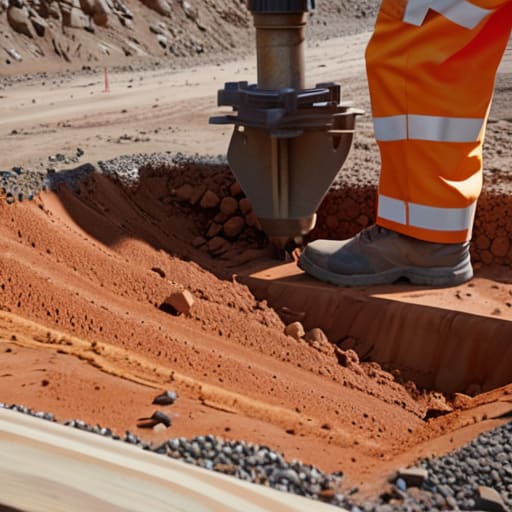
Look, I’ve seen it a hundred times. A lad turns up with a clean mixer, a fresh batch of C35, and a crew ready to go, feeling like a king because the concrete is coming on schedule. But if you haven’t spent the time digging into what’s actually sitting under that slab, you’re just building a failure waiting to happen. You can pour the most expensive, high-spec mix in the world, but if it’s sitting on top of a pocket of soft clay or uncompacted fill, that slab is going to crack, heave, or sink before the first frost hits. The subsurface exploration importance isn’t about ticking boxes for a clipboard; it’s about knowing whether your foundation has something solid to lean on.
People love to argue about borehole drilling vs trial pits, thinking one is “better” than the other, but it’s not about the tool—it’s about the truth. A trial pit might show you what’s there, but it won’t tell you what’s happening ten meters down. If you skip the proper ground investigation techniques just to save a few quid on the upfront costs, you aren’t saving money; you’re just pre-ordering a massive repair bill for two years’ time.
Borehole Drilling vs Trial Pits Choosing Your Foundation
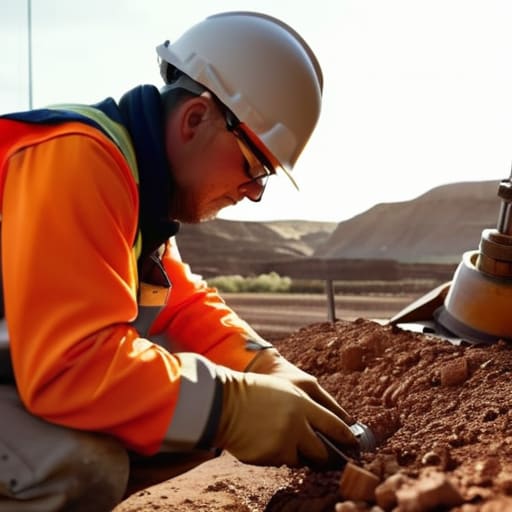
Now, you’re going to hear people throwing around fancy terms like geotechnical site investigation methods to sound important, but at the end of the day, you’ve really only got two main ways to see what’s hiding under your boots: trial pits or boreholes. If you’ve got a relatively shallow job and you want to see the actual layers of soil with your own eyes, you dig a trial pit. It’s honest work. You can stand in it, look at the strata, and see exactly what kind of muck you’re dealing with. It’s the best way to get a clear picture of the shallow ground before you even think about ordering a single cubic metre of mix.
But, if you’re looking at something deeper or if the ground is too stiff for a digger to make any sense of it, you’ll need to look at borehole drilling vs trial pits from a different angle. Boreholes are for when you need to go deep—really deep—to find the stable bearing strata that won’t give way under a heavy slab. It’s more technical, sure, but if you skip the deep stuff on a big project, you’re just gambling with the foundation.
Five Things You’ll Learn the Hard Way if You Skip the Prep
- Stop trusting the surface. I’ve seen a thousand sites that look solid enough for a driveway, only to dig six inches down and find a pocket of soft peat or old landfill. If you haven’t seen what’s sitting two or three feet down, you aren’t investigating; you’re just guessing, and guessing is how you end up with a cracked slab in eighteen months.
- Map your utilities before you break ground. It sounds basic, but I’ve seen lads go in with a digger thinking they’re just clearing a bit of topsoil, only to nick a high-pressure water main or a fiber optic cable. A proper site investigation isn’t just about dirt; it’s about knowing exactly what’s running through it so you don’t turn a simple pour into a local emergency.
- Watch the water, not just the ground. You need to know if you’re dealing with a high water table or if the site sits in a natural bowl that’s going to turn your sub-base into a soup every time it rains. If you don’t account for drainage and groundwater during your investigation, you’ll spend the rest of your life trying to fix a foundation that’s essentially floating on mud.
- Don’t ignore the history of the land. I always ask what was on the site before. Was it a farm? An old industrial yard? A building site? The ground remembers. If there’s old rubble or heavy machinery sitting deep underground, it’s going to settle unevenly, and no amount of high-grade concrete is going to stop that movement once it starts.
- Get the soil samples tested properly. Don’t just look at it and say, “Yeah, that looks like good gravel.” You need to know the actual load-bearing capacity and the grain size. If you’re building something heavy and you’ve used a “visual check” instead of actual data, you’re just asking for the ground to give way under the weight of the structure.
The Bottom Line
Look, I’ve seen it a thousand times: a lad gets a good bit of credit for a smooth-looking slab, only to be back on that same site eighteen months later staring at a massive structural crack. You can buy the most expensive, high-spec concrete mix in the country, but it won’t mean a damn thing if you’ve ignored what’s happening below the surface. Whether you’ve gone the route of deep boreholes or stuck to traditional trial pits, the goal is the same: stop guessing. You need to know exactly what that soil is doing before you ever think about calling the plant for a delivery. If you skip the investigation to save a few quid on the front end, you aren’t saving money; you’re just pre-ordering a disaster.
At the end of the day, a proper site investigation is about more than just paperwork and compliance; it’s about the pride of knowing your work will still be level long after you’ve walked off the job. There’s no shortcut to a solid foundation, and there’s no way to outsmart the ground once the wet stuff starts setting. Do the digging, check the strata, and respect the sub-base. If you get the hour before the pour right, the rest of the job usually takes care of itself. Build it once, build it right, and don’t let the ground surprise you.
Frequently Asked Questions
If I've already dug a few trial pits and they look solid, do I really need to spend the extra money on a proper borehole?
Look, I’ve seen plenty of lads think they’ve found gold just because a trial pit looks firm at two metres. A pit only tells you what’s happening on the surface; it’s a snapshot, not a story. A borehole actually goes deep enough to see if that “solid” ground turns into muck ten feet down. If you skip the drilling to save a few quid now, you’ll be paying for it tenfold when your slab starts tilting.
How do I know if the soil report I've been handed is actually telling the truth about the ground conditions, or if someone just skimmed the surface to save a few quid?
Look, a report is just paper until you cross-reference it with the reality on the ground. If the report says you’ve got firm clay but you’re standing in a boggy mess that won’t hold a shovel, someone’s cut corners. Check the depth of the samples; if they only poked the surface without hitting the true strata, they’re selling you a fantasy. If the data looks too clean or lacks specific moisture readings, they haven’t investigated—they’ve just guessed.
At what point does a "good enough" sub-base become a massive liability once the concrete starts setting?
The second that truck starts discharging, you’re in the danger zone. If your sub-base is “good enough” but lacks proper compaction or has pockets of soft clay you ignored, the weight of the wet concrete is going to find it. As the load settles, that uneven support creates differential settlement. Before the concrete is even hard enough to walk on, the stress is already pulling at your internal structure. That’s when the cracks start.