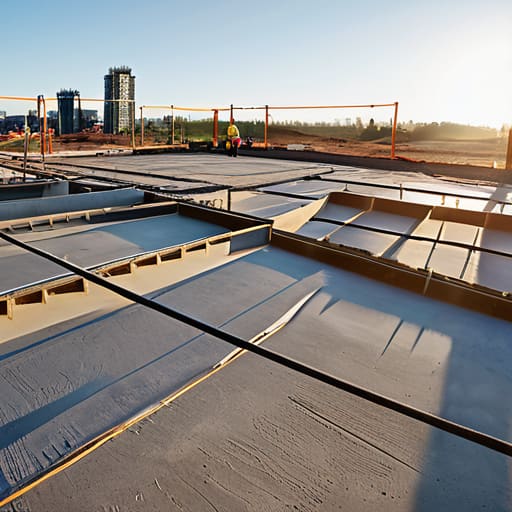
I spent forty-three years watching lads pour expensive, high-spec concrete into holes that were nothing more than a glorified mud pit, and let me tell you, it’s a bloody waste of money. Most people looking for a complete guide to foundations think they need to obsess over the mix design or the brand of reinforcement steel, but they’re looking in the wrong place. You can buy the most expensive concrete in the country, but if your sub-base is soft or your compaction is lazy, that slab is going to crack before the first coat of paint is even dry on the walls. The concrete isn’t the problem; it’s everything that happened before the truck arrived.
I’m not here to give you a textbook lecture or some shiny, theoretical nonsense that wouldn’t hold up in a real trench. I’m going to give you the truth from someone who’s had the grit under his fingernails for four decades. We’re going to talk about the stuff the brochures skip—the ground prep, the weather, and the unforgivable sin of adding water to a mix just to make it easier to spread. This is the real way to do it, so you don’t end up calling me ten years from now to ask why your floor is shifting.
Table of Contents
Subsurface Investigation Methods Reading the Ground Before It Kills You
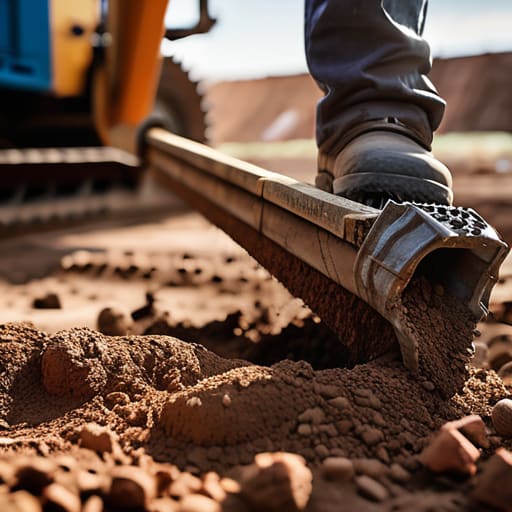
You can have the most expensive mix design in the world, but if you’re pouring over a pocket of soft clay or uncompacted peat, you’re just wasting money. I’ve seen lads rush straight to the reinforcement, thinking the concrete will do the heavy lifting, but that’s a fool’s errand. Before a single truck shows up, you need to understand the soil bearing capacity of what’s actually under your boots. You can’t guess this by just poking it with a shovel; you need proper subsurface investigation methods to see what’s happening beneath the topsoil.
If the ground is inconsistent, you’re looking at a nightmare of uneven settlement. This is where the choice between shallow vs deep foundations becomes the difference between a house that stays level and one that starts cracking within the first year. I’ve seen too many “quick fixes” where they tried to bridge a soft spot with more steel, but that’s not how structural engineering principles work. You don’t fight the ground; you find out exactly what it is so you can build something that actually sits on it.
Soil Bearing Capacity and the Truth About Shallow vs Deep Foundations
Now, you can’t just start digging holes and hope for the best. You’ve got to understand what you’re actually sitting on. I’ve seen lads try to lay reinforced concrete footings on what looked like decent clay, only to watch the whole structure tilt six months later because that clay turned to mush when the rain hit. That’s the soil bearing capacity for you—it’s not just a number on a piece of paper from some lad in an office; it’s the actual ability of that ground to hold the weight without turning into a sponge. If the ground can’t take the load, the most expensive concrete in the world won’t save you.
This is where the real decision happens: the choice between shallow vs deep foundations. If you’ve got good, firm ground near the surface, a standard strip or pad footing might do the job. But if you’re dealing with peat, loose sand, or anything that moves, you’re looking at deep foundations—piles or anything that gets you down to something that actually stays put. Skipping this step to save a few quid on the groundworks is the fastest way to ensure your client is calling me in a year’s time to ask why their walls are cracking.
The Three Things Everyone Skips (And Why They’ll Cost You)
- Get your sub-base right or don’t bother pouring at all. I’ve seen lads spend a fortune on high-spec concrete only to watch it crack six months later because they laid it on soft, uncompacted muck. If that ground hasn’t been dug out, replaced, and rammed down until it’s rock solid, you’re just pouring money into a hole that’s going to move.
- Watch the water like a hawk. I can’t tell you how many times I’ve walked onto a site and seen a driver or a laborer dumping a hose into the chute because the mix looked “a bit stiff.” That’s the quickest way to ruin your water-to-cement ratio and kill your strength. You want it workable, not soup.
- Respect the weather, even when the schedule says otherwise. If you’re pouring in the midday heat without a plan to keep it damp, it’ll crack before you’ve even finished screeding. Conversely, if you’re pouring in a frost and haven’t got covers ready, you’re essentially washing the cement out of the mix.
- Don’t skimp on the curing. Most people think once the surface looks set, the job is done. Wrong. The real work happens in the days after the pour. If you don’t manage the drying process—whether that’s through wet curing or chemical membranes—you’re inviting shrinkage cracks that no amount of filler will ever truly fix.
- Plan your joints before the truck arrives. A foundation isn’t just one big slab of luck; it needs controlled points of weakness. If you haven’t decided exactly where your expansion or contraction joints are going to sit, the ground will decide for you, and it won’t be pretty.
The Bottom Line
At the end of the day, a foundation isn’t just a line item on a blueprint or a way to get the bricks up off the dirt. If you’ve listened to a word I’ve said, you know it starts long before the first mixer pulls up to the site. You’ve got to respect the soil, understand exactly what that ground is capable of carrying, and never—ever—assume the sub-base is good enough just because it looks flat to the naked eye. If you skip the investigation or try to save a few quid by ignoring the bearing capacity, you aren’t saving money; you’re just pre-ordering a structural failure that you’ll be paying to fix ten years down the line.
I’ve spent forty-three years watching men try to outsmart the earth, and the earth always wins. But if you do the work properly—if you get the sub-base right, the math right, and the preparation right—the concrete will do exactly what it’s supposed to do. There is a certain kind of pride in knowing that what you’ve built is truly solid from the ground up, even if nobody ever sees the work hidden beneath the slab. Build it right the first time, because once that mud sets, the mistakes are permanent.
Frequently Asked Questions
How much do I actually need to compact that sub-base before I even think about calling the concrete truck?
If you think you’ve compacted it enough, you haven’t. I’ve seen more slabs crack because of a soft patch in the MOT Type 1 than because of a bad mix. You don’t just run a plate compactor over it once and call it a day. You need to lift it in thin layers—maybe 100mm at a time—and compact until that ground feels like stone, not a sponge. If it moves under your boot, it’s going to move under your concrete.
If I see a bit of standing water in the excavation after a rain, do I need to pump it all out or can I just pour over it?
If you pour over standing water, you’ve already lost. You aren’t just pouring concrete; you’re pouring a slurry of cement and mud that’ll never reach full strength. That water sits between your sub-base and the mix, preventing a proper bond and turning your foundation into a sponge. Get the pump out and clear it until you’re seeing solid ground. If the bottom is a soup, your slab is a gamble I wouldn’t take.
When am I actually going to see the cracks start to show if the ground wasn't prepared properly?
You won’t see it the day you finish the screed. That’s the trap. If the sub-base is rubbish or the soil’s shifting, the cracks usually show up after the first big seasonal change—when the ground shrinks in a dry summer or swells in a wet winter. You might get a hairline crack in six months, but the real trouble starts eighteen months down the line when the movement settles in. If you’re seeing cracks early, you’ve already lost.