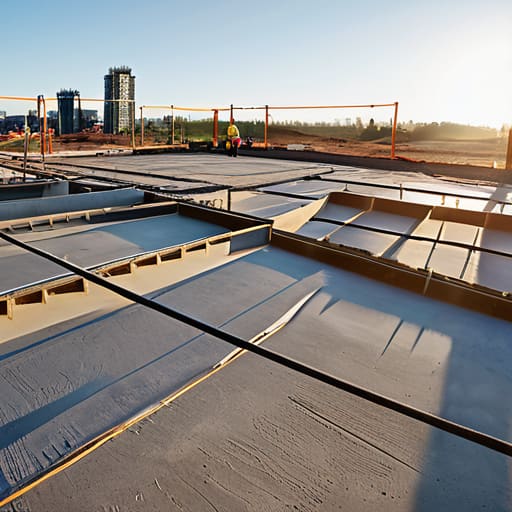
I’ve lost count of how many times I’ve stood on a job site, watching a lad finish a slab with a prideful grin, only to see it spiderweb with cracks before the sun has even gone down. Most of the “experts” out there will try to sell you some fancy chemical spray or a complicated, expensive system, claiming it’s the only way to get a perfect finish. They’ll give you a complete guide to curing concrete that reads like a chemistry textbook, but they’re missing the point entirely. If you’re looking for a magic potion to fix a bad pour, you’re wasting your time; curing isn’t about expensive additives, it’s about managing the environment you’ve created.
I’m not here to sell you anything or hide behind technical jargon that doesn’t mean a damn thing when the wind picks up. What I’m going to give you is the truth from forty-three years of watching slabs fail and succeed. I’ll show you how to handle moisture, how to fight the heat, and why the first few hours are the only ones that actually matter. This is the real-world version of a complete guide to curing concrete, built on sweat and mistakes rather than a salesman’s brochure.
Table of Contents
Mastering the Concrete Hydration Process Before Its Too Late
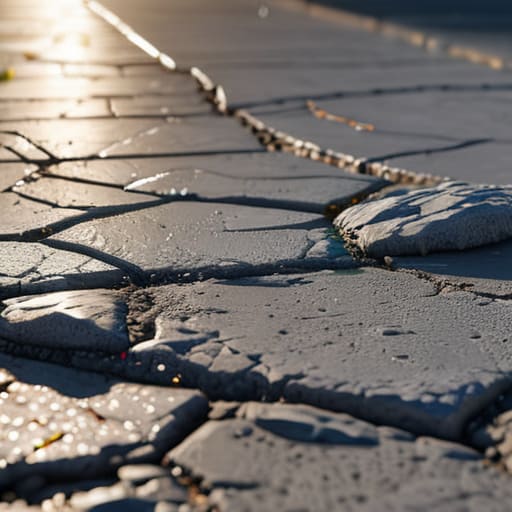
Listen, people get so caught up in the look of the wet mix that they forget what’s actually happening inside the slab. You aren’t just waiting for it to get hard; you’re managing a chemical reaction called the concrete hydration process. If that reaction stops because the surface dries out too fast, you haven’t just lost moisture—you’ve lost the structural integrity of the whole pour. I’ve seen lads leave a slab to bake under a midday sun thinking it’ll “set itself,” only to find a web of cracks by tea time.
You’ve got two real choices here: wet curing vs membrane curing. If you want it done right, you keep it damp. Covering it with burlap or spraying it down is the gold standard for preventing shrinkage cracks because it keeps the internal temperature stable. Now, I know some site managers love a quick curing compound application because it’s easy and doesn’t require a man standing there with a hose, but don’t mistake convenience for quality. If you skip the moisture management, you’re just building a headache for yourself six months down the line.
Temperature Control for Concrete Fighting the Weather You Cant Change
You can’t argue with the sky, but you can damn well prepare for it. I’ve seen lads standing there in July, watching a slab bake under a midday sun, wondering why it’s spider-webbing before they’ve even finished the screed. That’s not a concrete problem; that’s a temperature control problem. When the heat climbs, the water evaporates out of the mix far faster than the chemical reaction can keep up with. If you aren’t managing that heat, you aren’t curing—you’re just drying.
In the winter, it’s the opposite headache. If that mix drops below a certain point before the chemical reaction takes hold, it’s dead in the water. I’ve seen too many pours get caught by a sudden frost because someone thought they could “get it done quick” before the weather turned. Whether it’s a heatwave or a cold snap, you have to decide between wet curing vs membrane curing based on what the thermometer is telling you. If you don’t protect the slab from the ambient air, you’re just inviting shrinkage cracks to settle in for the long haul.
Five Things You’ll Skip if You Aren't Paying Attention
- Stop the evaporation before it starts. If you see the surface getting that dull, thirsty look too early, you’ve already lost. Get your curing compound or your plastic sheeting down the second it’s workable. If the water leaves the mix too fast, the concrete can’t do its job, and you’ll be staring at shrinkage cracks by Tuesday.
- Watch your water levels like a hawk. I’ve seen too many lads try to “help” a stiff mix by hosing it down on site just to make it spread easier. That’s a death sentence for your strength. You’re basically diluting the glue that holds the whole thing together. If the mix is too dry, talk to the plant, don’t reach for the hose.
- Don’t trust the sun just because it’s out. A bright, windy day is a nightmare for a fresh pour. That wind will suck the moisture right out of the slab faster than you can screed it. If you aren’t planning to shade the pour or use a windbreak, you’re just asking for a surface that’ll scale and flake off in six months.
- Get your joints cut while the concrete is still “green.” I don’t care if you’re tired or the sun is going down. If you wait until the slab is hard and brittle to start cutting your control joints, the concrete has already decided where it wants to crack, and it won’t be where you put your saw.
- Keep it damp, not drowned. If you’re using the wet cure method—soaking it with burlap or ponding water—don’t let it go dry between sessions. A dry spell in the middle of a wet cure is just as bad as no cure at all. It needs constant, steady moisture to finish that hydration process properly.
The Bottom Line
Look, if you’ve followed what I’ve said here, you know that curing isn’t some optional extra you do once the job looks “done.” It’s the most critical part of the entire sequence. You’ve got to watch your hydration like a hawk, manage your temperatures so the frost doesn’t kill the strength, and—most importantly—you better have your sub-base sorted before the first truck even rolls onto the site. If you skip the moisture control or try to rush the process because the client is breathing down your neck, you aren’t building anything; you’re just setting a timer on a failure. You can buy the most expensive mix in the country, but it won’t save a slab that was cured poorly or poured on rubbish ground.
At the end of the day, my advice is simple: take pride in the parts of the job that nobody sees. Nobody comes to your house to photograph a well-compacted sub-base or a perfectly managed curing blanket, but they will certainly come knocking when they see a spiderweb of cracks through their driveway. Do the job right, do it slow, and don’t take the shortcuts that make life easy for ten minutes but hard for ten years. There’s a massive amount of satisfaction in walking away from a pour knowing that the work underneath is as solid as the surface. Build it to last, not just to finish.
Frequently Asked Questions
I've seen lads spraying water on a slab in the midday sun to stop it drying too fast, but isn't that just going to mess up the strength?
You’ve hit the nail on the head. If those lads are just grabbing a hose and spraying water directly onto a setting slab in the midday sun, they’re doing more harm than good. That’s how you get surface scaling and a weak top layer. You want to keep the moisture in, not just wet the surface. Use curing compounds or damp hessian to trap the hydration. Don’t let them turn a good pour into a dusting mess.
If I'm pouring in a bit of a frost, do I really need to bother with curing blankets, or can I just let the heat from the mix do the work?
Letting the heat from the mix do the work is a gambler’s way of working, and the house always wins. That internal heat is a fleeting thing. Once it drops, if you haven’t got blankets on, the frost will pull the moisture right out of the surface before the hydration’s even finished. You’ll end up with a surface as brittle as a biscuit. Get the blankets on. Don’t trust the mix to do your job for you.
How long am I actually supposed to leave the forms in place before I start worrying about shrinkage cracks appearing?
Look, if you’re asking when to pull the forms, you’re already thinking about the wrong thing. You shouldn’t be worrying about cracks; you should be worrying about whether you’ve kept that slab wet. Don’t strip those forms the second the surface looks hard. If you pull them too early and let the edges dry out faster than the middle, you’re inviting shrinkage cracks to walk right through your finish. Give it at least three to seven days, depending on the mix, and keep it moist.