I remember standing on a job in the Midlands back in ’98, watching a lad try to fill out a glossy, twenty-page site report while the sky was turning a bruised shade of purple and the wind was whipping grit into his eyes. He was so busy ticking boxes on a clipboard that he didn’t even notice the sub-base was turning into a soup of silt and standing water. That’s the problem with most modern advice on how to record site conditions; it’s all paperwork and no common sense. People think they’re protected because they’ve got a digital log, but if you aren’t documenting the actual reality—the moisture in the ground, the temperature of the air, and the way the driver is eyeing up that water hose—then you’re just documenting a lie.
I’m not here to teach you how to fill out forms to please a project manager. I’m going to show you how to record the variables that actually matter when a slab starts cracking six months down the line. We’re going to talk about the stuff that isn’t in the official handbook: the mud, the wind, and the subtle signs that the ground isn’t ready for the weight. I’ll give you the straight truth on what to watch, what to photograph, and what to write down so that when the inevitable question arises, you’ve got the proof in your pocket.
Table of Contents
The Daily Site Logs Importance Capturing the Variables No One Sees
Listen, a lot of lads think a site log is just a bit of paperwork to keep the office happy, but they’ve got it backwards. The real daily site logs importance isn’t about ticking a box; it’s about having a paper trail when the slab starts cracking six months down the line. If you don’t write down that the ground was saturated from a week of rain, or that the sub-base was a bit soft despite what the surveyor said, you’re the one left holding the bag. I’ve seen many a good man lose a claim because he relied on his memory instead of actual evidence.
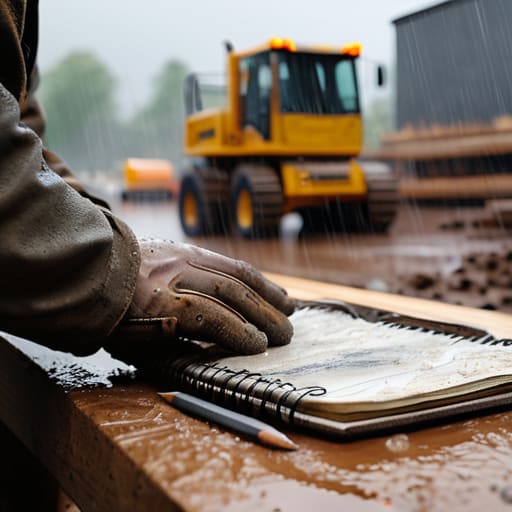
You need to treat your field notes for project management like they’re legal testimony. Don’t just write “weather fine.” Write down that it was windy enough to dry out the surface too fast, or that the temperature dropped ten degrees right as the truck arrived. If you’re using digital site inspection tools, fine—that’s all well and good—but make sure you’re actually recording the grit and the mud, not just a pretty picture of a finished edge. You’re not just documenting progress; you’re protecting your reputation against the variables that nobody sees until it’s too late.
Visual Documentation for Construction Claims Proving the Ground Was Wrong
Listen, when a slab cracks six months down the line, the lawyers and the insurance lot aren’t going to care about your polite little spreadsheets. They want proof. If you’re standing there looking at a failed foundation, you need to be able to show exactly what the sub-base looked like before the first drop of wet mix hit the ground. This is where visual documentation for construction claims becomes your only real shield. I’ve seen too many lads get blamed for a settlement that was actually caused by a soft patch of clay they weren’t allowed to dig out. If you didn’t take a photo of that clay, you might as well have signed a confession.
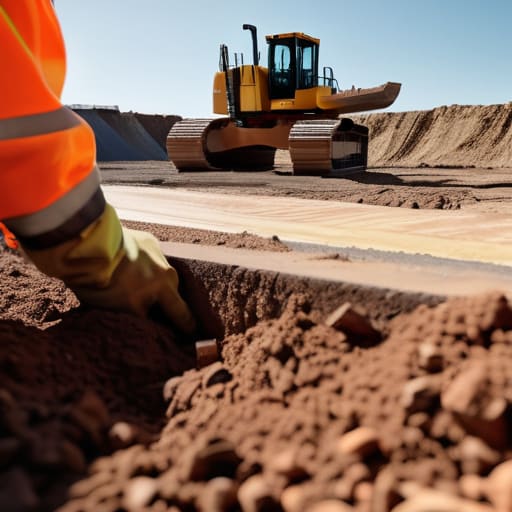
Don’t just take one wide shot of the whole site and call it a day. That’s useless. You need to get in close. I want to see the compaction of the hardcore, the moisture levels in the soil, and the way the sub-base is laid out. Use your phone to get tight shots of the layers. If you’re using digital site inspection tools, make sure you’re capturing the grit and the actual texture of the ground, not just a pretty picture of a clean site. You aren’t taking photos for a brochure; you’re taking them to prove the ground was right before the concrete arrived.
Five Things You Need to Note Before the Mixer Even Arrives
- Stop looking at the surface and start photographing the sub-base. If you aren’t taking clear shots of the compaction, the layer thickness, and how much moisture is sitting in that hardcore before you cover it up, you’re begging for a crack in six months. When the slab fails, the lawyers won’t care about your pretty finished concrete; they’ll care about what was underneath it.
- Get a thermometer and a wind gauge, not just a glance at your phone. I’ve seen lads pour a massive slab in a biting wind thinking it was “fine,” only to have the surface dry out and skin over before the middle even set. Record the ambient temp and the wind speed in your log; if the weather is fighting you, you need proof that you warned the client or tried to mitigate it.
- Watch the mixer like a hawk and document the water. This is where most jobs go sideways. If you see a driver reaching for the hose to thin out a stiff mix because he’s in a hurry, you write it down. Note the slump if you can, and if someone adds water on-site to make it “flow better,” record exactly how much went in. That extra water is what turns a structural slab into a pile of expensive dust.
- Document the “pre-pour” state of your formwork and reinforcement. Don’t just assume the steel is right because the supplier said so. Take a photo of the rebar spacing and the chairs holding it up. If that steel is sitting in the mud or the forms are bowing because they weren’t braced right, you need to have a record of when you spotted it and what you did to fix it before the wet stuff hit the ground.
- Keep a log of the “arrival to pour” timeline. If the truck is sitting idling for two hours in the sun because the site isn’t ready, that concrete is already starting to set in the drum. Note the time the truck arrived, the time the pour started, and the time you finished. If the mix starts acting temperamental because it’s been sitting too long, your log is the only thing that’ll prove it wasn’t your fault.
The Paperwork is Your Only Real Insurance
Look, I know nobody likes spending time on a clipboard or a phone when there’s a mixer idling and a crew waiting to move. But if you aren’t documenting the sub-base compaction, the ambient temperature, and exactly how much water those lads are splashing into the drum to make it “workable,” then you’re basically gambling with your reputation. You can have the best mix design in the world, but if you can’t prove the ground was soft or the weather turned sour mid-pour, you’re the one who’s going to be left holding the bag when that slab starts cracking six months down the line. Record the variables that nobody wants to talk about, because those are the only ones that actually matter when the lawyers or the clients start asking questions.
At the end of the day, being a professional isn’t just about how clean your finish looks on a Friday afternoon; it’s about having the backbone to stand by your work when things go sideways. Good documentation isn’t just “admin”—it is your shield against the inevitable. I’ve seen plenty of young lads try to skip the boring bits, only to find themselves staring at a failed foundation they can’t explain. Do the job right, document the mess, and protect your livelihood by respecting the process. The pour is the easy part; the record you keep is what keeps you in business.
Frequently Asked Questions
If I've already poured the slab and it's starting to crack, what's the one thing I should go back and look for in my old notes to prove it wasn't my fault?
Go straight to your weather logs and your sub-base notes. If that slab is cracking, you need to prove one of two things: either the ground wasn’t compacted to spec before you arrived, or the temperature and wind were pulling moisture out of the surface faster than you could cure it. If your notes show the sub-base was soft or the sun was beating down on a dry wind, you’ve got your proof.
How much detail do I actually need to write down about the weather—is a simple "it was raining" enough, or do I need to be tracking the wind and temperature too?
If you just write “it was raining,” you’ve written nothing at all. You might as well have stayed in the van. I need to know if it was a light drizzle or a driving downpour that’s turning your sub-base into a soup. Was the wind gusting enough to dry out the surface before the middle had even set? If the temperature was dropping toward frost, you better have noted it. “Rainy” doesn’t win a dispute; “30mph winds and 4-degree heat” does.
When I'm taking photos of the sub-base, what exactly am I looking for to make sure a surveyor or a lawyer actually believes me later?
You aren’t just taking pictures of dirt; you’re looking for evidence of stability. I want to see the compaction layers, the moisture content, and whether that sub-base was actually rolled or just flattened by a boot. Take photos with a tape measure or a spirit level in the shot—give it scale. If the ground looks soft or there’s standing water in the trench, photograph that. A lawyer needs to see the mess you were forced to build on.