I remember standing on a site in Kent back in the nineties, watching a lad try to explain to a homeowner why their new extension was leaning like the Tower of Pisa. He was babbling on about high-spec mixes and reinforcement steel, but I could see the truth from twenty yards away: they’d ignored the clay entirely. Most people think understanding how piled foundations work is all about the fancy machinery or the strength of the concrete you’re pouring into the hole. That’s a load of rubbish. If you don’t understand what’s happening deep in the strata before that first truck even turns its engine off, you aren’t building a house; you’re just planting a disaster.
I’m not here to give you a textbook lecture or some glossy brochure version of civil engineering. I’ve spent forty-three years watching ground move and watching concrete fail, and I’ve learned that the real story is always in the dirt. In this guide, I’m going to strip away the jargon and tell you exactly how the process actually functions on a real site. I’ll show you where the hidden risks lie and why the most important part of the job happens long before the pour begins.
Table of Contents
Deep Foundation Systems Why the Ground Always Wins
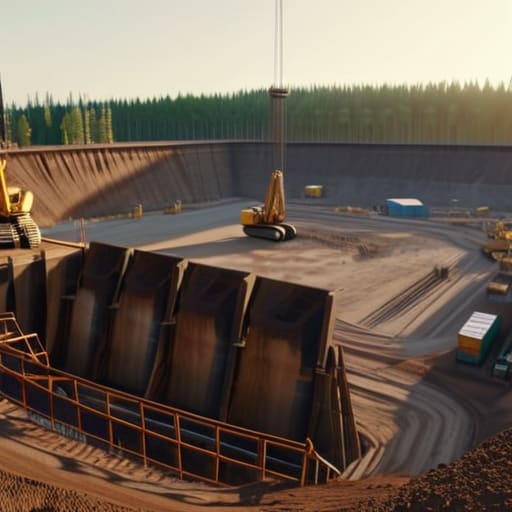
Look, I’ve seen plenty of lads try to treat a site like it’s a flat sheet of plywood, but the earth doesn’t work like that. You can have the most expensive mix design on the order sheet, but if your soil bearing capacity is rubbish, you aren’t building a house; you’re building a slow-motion sinking ship. That’s where these deep foundation systems come into play. They aren’t just fancy holes in the ground; they are the only way to bypass the soft, unreliable topsoil that wants to heave or compress the moment you put a load on it.
When we talk about how these piles actually hold weight, it usually comes down to two things: end bearing vs skin friction. Some piles are like stilts, sitting dead-on a solid layer of rock or stiff clay at the bottom. Others work by gripping the sides of the shaft, using the friction of the soil itself to keep the structure from dropping. If the engineer hasn’t accounted for which one you’re relying on, you’re asking for foundation settlement that’ll crack every lintel and door frame in the building. You don’t fight the ground; you find a way to lean on something that doesn’t move.
Soil Bearing Capacity the Invisible Math That Rules Everything
Now, don’t get me wrong—I’ve seen plenty of lads look at a site and think they can just hammer a pile into whatever’s underfoot and call it a day. But you can’t argue with the dirt. If you haven’t done the math on the soil bearing capacity, you aren’t building a structure; you’re just setting a timer on a disaster. It’s not just about hitting something hard; it’s about understanding how that ground is going to react once you put a massive, heavy load sitting right on top of it.
This is where the real science happens, long before the first mixer arrives. You have to decide if you’re looking for end bearing—where the pile sits on a solid stratum like rock—or if you’re relying on skin friction, where the pile grabs onto the sides of the soil as it goes down. If you get that wrong, you’ll be back in ten years dealing with uneven settlement that no amount of epoxy can fix. You can have the most expensive concrete on the planet, but if the geotechnical engineering principles were ignored at the start, that ground will eventually win.
Five Ways You’ll Mess Up a Piled Foundation Before the First Truck Arrives
- Stop obsessing over the mix and start looking at the hole. I’ve seen lads ready to pour high-spec concrete into a pile bore that hasn’t been cleaned of loose muck or standing water. If that pile base is sitting in a soup of silt and debris, you aren’t transferring load to the competent ground; you’re just suspending a heavy block of stone on a layer of mud. Clean it out properly or don’t bother pouring.
- Watch the water, not just the rain. Everyone worries about a downpour during the pour, but the real killer is the groundwater level during the drilling. If you don’t account for the hydrostatic pressure or use a casing to keep the hole from collapsing, you’ll end up with a pile that’s more gravel and groundwater than actual structural integrity.
- The reinforcement cage isn’t a suggestion. I’ve seen sites try to save a few quid by skimping on the cage spacing or, worse, letting it sit lopsided in the hole. If that steel isn’t centred and held steady by spacers, your concrete will wrap around it like a loose sleeve, and you’ll have zero structural connection when the building starts putting weight on it.
- Don’t let the “easy way” turn your concrete into soup. I can’t tell you how many times I’ve seen a driver or a site hand add a bucket of water to the mix because it’s “too stiff to work.” In a pile, that’s a death sentence. You’re destroying the water-cement ratio and creating layers of weak, porous material inside the shaft. If it’s stiff, use a tremie pipe and work it properly.
- Respect the set time. Once that concrete is in the ground, the clock is ticking. If you’ve got a delay in your supply chain and that first lift starts to stiffen before the next one is poured, you’re going to get “cold joints.” A cold joint in a pile is a crack waiting to happen, and once that’s in there, you aren’t fixing it—you’re just watching it fail.
The Bottom Line: Respect the Ground
At the end of the day, piled foundations aren’t some magic trick to bypass bad geology; they are a way to negotiate with it. We’ve talked about why the soil bearing capacity dictates your entire design and why you can’t just ignore the groundwater or the silt waiting to swallow your works. If you skip the site investigation or try to save a few quid by ignoring the depth requirements, you aren’t saving money—you’re just pre-ordering a structural failure. You can have the most expensive, high-spec mix arriving on a concrete truck at 6:00 AM, but if those piles haven’t been seated in competent strata, that concrete is nothing more than expensive gravel sitting in a hole.
My advice to the younger lads and the site managers alike is this: stop looking at the concrete as the solution and start looking at the ground as the problem. The pour is the easy part, the part everyone gets to see and take photos of, but the real work is done in the dark, deep underground where nobody’s watching. Do the math, test your soil, and never compromise on the sub-surface. If you respect the ground before you ever break ground, you’ll sleep soundly when the building goes up. If you don’t, don’t bother calling me when the cracks start appearing five years down the line.
Frequently Asked Questions
If the piles are driven deep into the ground, how do I know they’ve actually hit something solid and aren't just sitting in a pocket of soft clay?
You don’t just take a driver’s word for it. If you’re relying on a “feeling,” you’re already in trouble. We look at the refusal rate—how much energy it takes to move that pile another inch. If the hammer is thumping away and the pile isn’t budging, you’ve likely hit something. But the real proof is in the blow counts and the geotechnical report. If the numbers don’t match the resistance, you’re just sitting in a hole.
Once the piles are in, what’s the proper way to handle the connection between the pile head and the concrete slab to stop them from shifting independently?
You’re talking about the pile cap and the connection to the slab, and this is where most lads get sloppy. You don’t just slap a slab on top of a pile and hope for the best. You need a proper pile cap to spread that load, and you better have your reinforcement steel tied in tight between the cap and the slab. If those bars aren’t properly lapped and positioned, the slab and the pile will act like two different people, and that’s how you get your cracks.
How much does the groundwater level actually affect the integrity of the pile during the pour, and do I need to worry about it washing out the mix?
If you’ve got groundwater pushing up into that pile hole, you aren’t just pouring concrete; you’re fighting a losing battle against dilution. If that water gets into your mix, it ruins the water-cement ratio, turns your structural strength into something resembling wet sand, and creates pockets of weakness. You don’t just “worry” about it washing out the mix—you ensure you’re using a tremie pipe to pour from the bottom up, pushing the water out of the way.