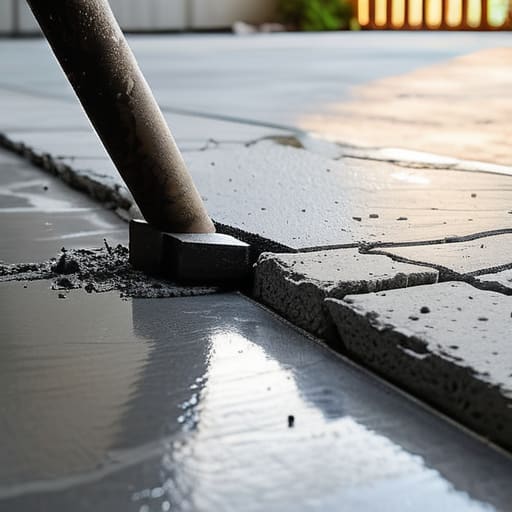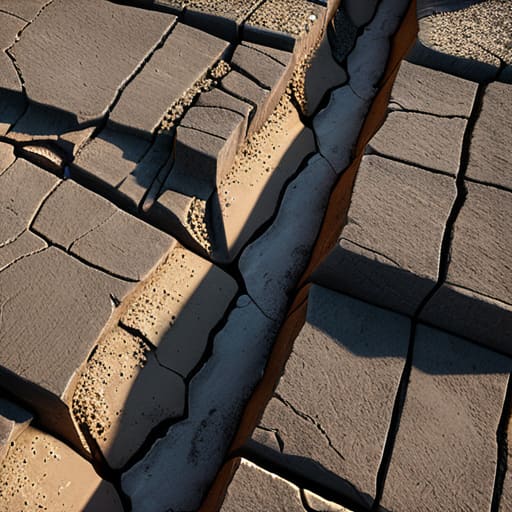
I was standing on a driveway in Surrey last Tuesday, watching a homeowner point out the “fancy” porous blocks he’d spent a fortune on. The surface looked grand, but the moment the clouds opened, the whole thing turned into a shallow swimming pool. It’s the same old story I’ve seen for forty-three years: people get so blinded by the shiny catalogue photos that they completely forget to ask how permeable paving works beneath the surface. They think the magic is in the stone you see, but if you haven’t sorted the sub-base and the aggregate grading, you haven’t built a drainage system—you’ve just built an expensive way to make a mess.
I’m not here to sell you on some architectural dream or use big words to hide a lack of substance. I’m going to tell you exactly what happens once the water hits the ground and why most jobs fail before the first stone is even laid. We’re going to talk about the unseen layers, the grit, and the structural math that actually keeps the water moving. If you want the truth about how to do this right the first time, you’ve come to the right place.
Table of Contents
Forget the Paver the Truth About Porous Pavement Layers
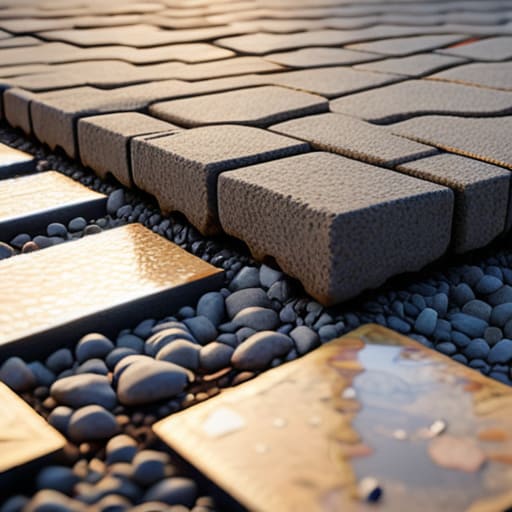
Look, I’ve seen it a hundred times: a homeowner or a junior site manager spends a fortune picking out these beautiful, high-end permeable pavers, thinking that’s where the magic happens. It doesn’t. The paver is just the lid on the pot. If you want to understand the real mechanics of porous pavement layers, you have to stop looking at the surface and start looking at what’s happening underneath.
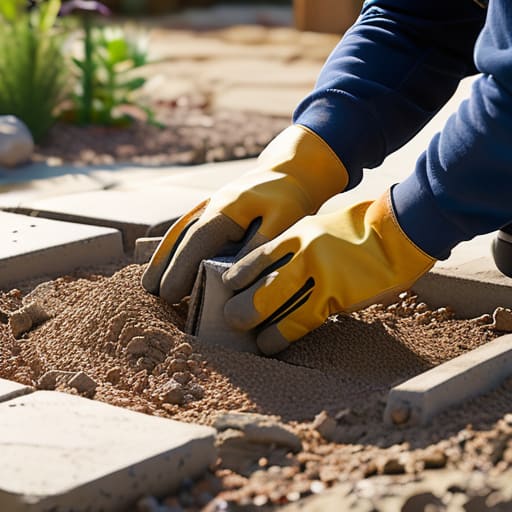
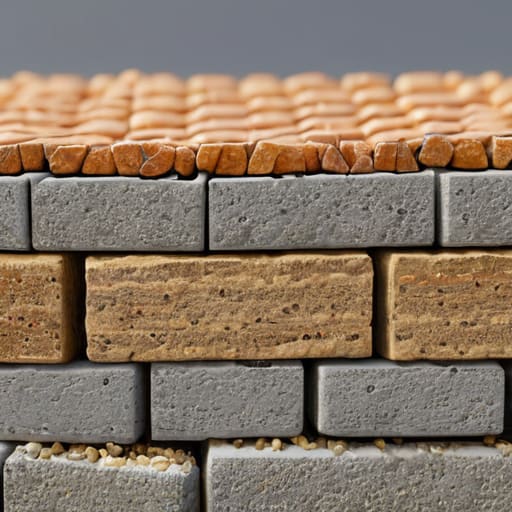
The real work is done by the stone. You need a specific grading of clean, crushed aggregate that creates enough void space to actually hold the water. If your sub-base is too fine or poorly compacted, you aren’t managing water; you’re just creating a muddy mess that’ll sink within two seasons. I always tell people that the geotextile membrane role is just as vital as the stone itself—it keeps your sub-base from getting fouled by the fines in the soil below. If that layer gets clogged with silt, your expensive driveway becomes nothing more than a very pretty, very expensive puddle. You can have the best stones in the world, but without a proper structural reservoir, you’ve failed before you’ve even started.
Why Surface Water Runoff Reduction Starts Below the Surface
Everyone gets excited about the pretty top layer—the stones, the patterns, the fancy finishes—but that’s just the lid on the pot. If you’re looking for real surface water runoff reduction, you have to stop looking at the surface and start looking at the void space underneath. When a heavy downpour hits, that water isn’t just disappearing; it’s being handed off to the layers below. If those layers are compacted too tight or filled with the wrong grade of aggregate, the water has nowhere to go. It sits, it builds pressure, and eventually, it finds a way out—usually by undermining your entire installation.
The real magic happens in the way the water moves through the porous pavement layers and into the subgrade. You’ve got to treat the whole thing like a massive, slow-motion filter. I’ve seen many a site fail because they neglected the geotextile membrane role, letting fine silt migrate up and choke the voids in the stone. Once those gaps are plugged with mud, your “permeable” system is nothing more than an expensive, glorified puddle. You don’t manage water by blocking it; you manage it by giving it a controlled, structured path to follow.
Five Things the Salesmen Won't Tell You About Making it Work
- Stop obsessing over the pretty top layer. You can buy the most expensive, decorative permeable blocks in the country, but if your sub-base isn’t a properly graded reservoir of clean, open-graded aggregate, you aren’t building a drainage system—you’re just building an expensive, glorified puddle.
- Watch your fines like a hawk. The biggest killer of permeable paving is silt and sand washing into those gaps. If you don’t have a clear plan for how you’re managing sediment during the build, or if you’re using the wrong bedding material, that system is going to clog up and stop working before the client even moves their car onto it.
- Don’t let them add “fines” to your sub-base just to save a few quid. I’ve seen lads try to use standard MOT Type 1 in a permeable build because it’s cheap and easy to compact. That’s a recipe for disaster. If you pack it with dust and small particles, you’ve just turned your “permeable” base into a solid, impermeable slab that holds water right where it shouldn’t.
- Check your sub-grade before you even think about ordering the stone. It doesn’t matter how good your layers are if the actual ground underneath is a heavy, compacted clay that won’t take a drop of water. You need to know if you’re infiltrating into the soil or if you’re essentially building a tank that needs an overflow pipe.
- Respect the maintenance schedule. Permeable paving isn’t “fit and forget.” If the homeowner thinks they can just let leaves and dirt sit in those joints for three years, they’re going to end up with a solid sheet of muck. You have to tell them straight: if they don’t vacuum those joints or clear the debris, the system is dead.
The Bottom Line on Permeable Paving
At the end of the day, you have to stop looking at permeable paving as just a pretty surface you lay down to impress the neighbors. It is a functioning system, a series of layers that work together to manage water, and if one link in that chain is weak, the whole thing is a waste of money. You can buy the most expensive, high-spec porous blocks in the catalogue, but if you’ve skimped on the aggregate grading or failed to compact your sub-base properly, you aren’t building a drainage solution—you’re just building a very expensive puddle. Remember: the surface is just the lid on the pot. The real work happens in the depths of the sub-base, where the water actually finds its way home.
If there is one thing forty-three years of pouring has taught me, it’s that doing a job right the first time is always cheaper than fixing a failure later. Don’t let anyone talk you into cutting corners on the stone or skipping the proper compaction just to save a few hours on the clock. When you get the foundation right, the paving will do exactly what it’s supposed to do for decades. Build it with the integrity of the ground underneath in mind, and you won’t be the one getting a phone call in five years explaining why the driveway is sinking. Do it right, or don’t do it at all.
Frequently Asked Questions
If the water is soaking through the pavers, how do I stop the sub-base from turning into a swamp and shifting the whole lot?
You don’t “stop” it; you manage it. If you’re worried about a swamp, you’ve likely got a drainage problem or you’ve used the wrong stone. You need a clean, open-graded sub-base—no fines, no dust, just angular aggregate that creates voids for the water to sit in while it waits to drain away. If that water has nowhere to go, it’ll turn your sub-base into soup and your paving into a wave machine.
Do I need to worry about silt and grit choking up the gaps, or is that just something people moan about to sound important?
It’s not just people moaning to sound clever; it’s a genuine headache if you’ve been lazy. If you let silt, sand, or organic muck wash into those gaps, they’ll plug up faster than a blocked drain. Once that happens, your “permeable” system is just an expensive, non-porous slab. You don’t need to panic, but you do need to manage it. Keep the surrounding beds clean and don’t dump mulch right up against the edge.
What happens to the drainage if I’ve got heavy clay underneath instead of a proper granular soakaway?
If you’ve got heavy clay underneath, you don’t have a drainage system; you’ve got a bathtub. You can lay the most expensive permeable blocks in the world, but if that water hits a clay layer and has nowhere to go, it’ll just sit there, saturating your sub-base until the whole lot becomes a bog. Without a proper granular soakaway or a perforated pipe to move that water off-site, you’re just building a very expensive swimming pool.