I remember standing in a muddy trench back in ’94, watching a lad try to explain to a homeowner that they needed a massive, expensive structural overhaul because of a tiny hairline crack. He was talking about high-tech resins and fancy computer modelling, but I could see the truth just by looking at the way the clay was weeping into the hole. People get so caught up in the jargon and the price tags that they completely miss the point of how underpinning works. It isn’t some magic trick or a way to bypass the laws of physics; it’s simply the brute-force business of finding solid ground and tying your house to it before the earth decides to move somewhere else.
I’m not here to sell you on expensive gadgets or complicated theories that only serve to pad a contractor’s invoice. I’m going to tell you exactly how this job is done properly, from the moment you start digging to the second that new concrete sets. We’re going to strip away the nonsense and look at the real mechanics of transferring weight, because if you don’t respect the sub-base, all the underpinning in the world won’t save your floor from cracking.
Table of Contents
Mastering Load Transfer Mechanisms Before the Cracks Appear
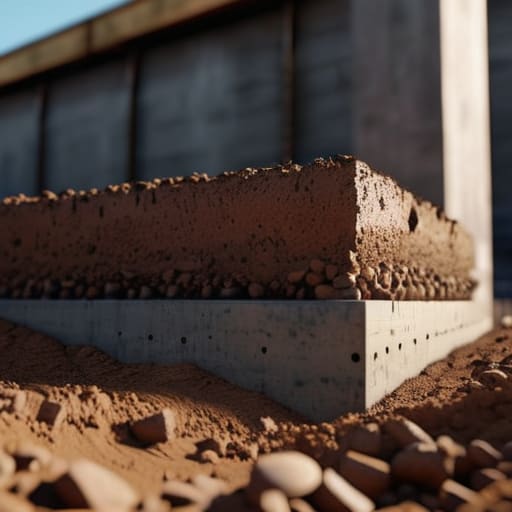
Now, listen. You can talk all day about the concrete you’re pouring, but if you aren’t thinking about how that weight actually moves through the earth, you’re just wasting a mixer’s time. When a house starts to sink, it’s because the soil bearing capacity has dropped out from under it—usually because the ground is either too wet, too dry, or just plain rubbish. Underpinning isn’t just about adding more material; it’s about creating a new path for that weight to travel. You have to intercept the load from the existing footing and hand it off to something more reliable, whether that’s deeper soil or a pile.
If you don’t get these load transfer mechanisms right, you’re just putting a bandage on a broken limb. I’ve seen lads try to patch a crack with some fancy resin, but if the house is still moving because the transfer isn’t solid, that crack will be back before the mortar is even dry. You need to ensure the new support is actually gripping the load. Whether you’re using traditional mass concrete or moving into more complex structural stabilization techniques, the goal is the same: stop the movement by giving the weight a permanent, unshakeable place to land.
Why Soil Bearing Capacity Dictates Your Entire Success
Listen, you can talk to me about the most expensive mix design or the fanciest reinforcement cages you can buy, but if you haven’t accounted for the soil bearing capacity, you’re just throwing money into a hole. I’ve seen it a thousand times: a crew turns up with a massive truck, pours a perfect slab, and six months later, the whole thing is tilting like a sinking ship. It’s not because the concrete was weak; it’s because the ground underneath couldn’t hold the weight. The soil is the boss here, and if it decides to move, your foundation is going with it.
When you’re looking at subsidence remediation, you have to stop thinking about what’s happening above the surface and start worrying about what’s happening ten feet down. If that soil is soft, clay-heavy, or just plain rubbish, you aren’t just building a house; you’re building a liability. This is exactly why we use specific structural stabilization techniques to ensure the load actually has somewhere solid to go. If the dirt can’t take the pressure, no amount of clever engineering is going to save you from the inevitable cracks.
Five Things You’ll Learn the Hard Way if You Skip the Basics
- Respect the sequence or you’ll sink the whole lot. You don’t just dig a hole under a wall and hope for the best; you work in stages, usually from the bottom up or in small sections, so you aren’t leaving the house hanging on nothing while you’re working.
- The depth is non-negotiable. I don’t care how much money you’re trying to save on excavation; if you aren’t underpinning down to a stable, load-bearing stratum, you’re just building a very expensive way to sink further into the mud.
- Watch your water like a hawk. If you’re digging out sections for underpinning and you let the site turn into a swamp, you’ve already lost the battle. You need to keep that sub-grade dry and stable while the new work is setting.
- Don’t trust a “close enough” mix. When you’re pouring those underpinning legs or pins, you need the right strength and flow. If the lads start adding water to the truck because the mix is too stiff to get into the tight spots, you’re asking for structural weakness.
- The connection is everything. It doesn’t matter how deep your new foundation goes if the connection between the old footing and the new underpinning is rubbish. That load transfer has to be seamless, or the house will just bridge right over your hard work.
Don't Leave It to Chance
At the end of the day, underpinning isn’t some magic trick you perform once the walls start leaning; it’s a calculated battle against the ground beneath your feet. We’ve talked about how you have to move that load down to something that actually won’t budge, and why you can’t just ignore what the soil is telling you. If you skip the investigation into the bearing capacity or try to rush the load transfer, you aren’t fixing a problem—you’re just masking a disaster that’s waiting to happen. You can spend a fortune on the most expensive concrete and the best steel in the country, but if you haven’t respected the mechanics of how that weight is actually travelling into the earth, you’re just throwing money into a sinkhole.
My advice to anyone looking at a cracking wall or a sinking slab is this: stop looking at the cracks and start looking at what’s holding them up. The real work happens in the dirt, in the trenches, and in the planning you do before a single shovel hits the ground. Underpinning is hard, meticulous, and sometimes expensive, but it is the only way to do it right. Don’t be the person who tries to save a few quid on the sub-structure only to end up paying triple to fix a catastrophe later. Do it once, do it right, and respect the ground, because the ground doesn’t care about your budget—it only cares about the physics.
Frequently Asked Questions
If the ground is already moving, how do you stop the house from sinking further while you're actually doing the underpinning?
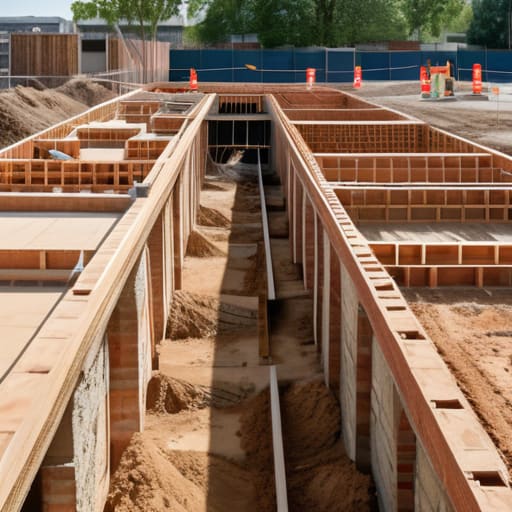
You don’t just dig a hole and hope for the best. If the ground is already playing up, you have to work in stages—small, controlled sections called “pins.” You never dig out the whole length at once, or you’ll take the house down with it. You go in, install your new support, let it take the load, and then move to the next bit. It’s a slow, methodical dance. Speed is how you end up with a collapsed wall.
Is it better to go with traditional mass pour underpinning or those modern screw piles if the soil is particularly rubbish?
If the soil is absolute rubbish—we’re talking peat, loose fill, or anything that moves like porridge—don’t bother with mass pour. You’ll spend a fortune digging out sections only to find the ground is still shifting under your feet. Screw piles are your best bet there. They bypass that mess entirely and find something solid deep down. Mass pour is great for stable ground, but if the sub-base is a joke, go straight to the piles.
How much of the original foundation do you actually have to dig out to make sure the new work is actually carrying the load?
You don’t just chip away at the edges and hope for the best. If you aren’t digging deep enough to tie the new concrete into the existing footing, you’ve just built a very expensive pile of loose stones. You have to excavate far enough to expose the undisturbed ground and ensure the new mass is actually cradling the old. If you don’t reach that solid, un-disturbed layer, you’re just layering one failure on top of another.