I remember standing on a site in ’94, watching a lad try to lay a clean course of brickwork while he was balanced on a scaffold that was swaying like a ship in a gale. He was sweating, his hands were shaking, and the mortar was drying unevenly because he couldn’t find a steady footing to work his trowel. Most site managers will tell you that scaffolding is just a line item on an invoice, a necessary evil to get the men off the ground. They’re wrong. If you don’t understand how scaffolding affects masonry work, you aren’t just risking a fall; you’re risking the entire integrity of the build. A shaky, poorly planned rig turns a skilled mason into a nervous amateur, and bad rhythm leads to bad joints every single time.
I’m not here to give you a lecture on health and safety regulations or some textbook definition of load-bearing capacities. I’m going to tell you what actually happens when the steel meets the brick. I’ll show you why a poorly leveled platform is the silent killer of a straight wall and how the way you set up your boards dictates the quality of your finish. We’re going to look at the real-world connection between your access and your craftsmanship, because the setup is everything.
Table of Contents
Scaffold Tie in Methods for Brickwork Dont Kill Your Wall
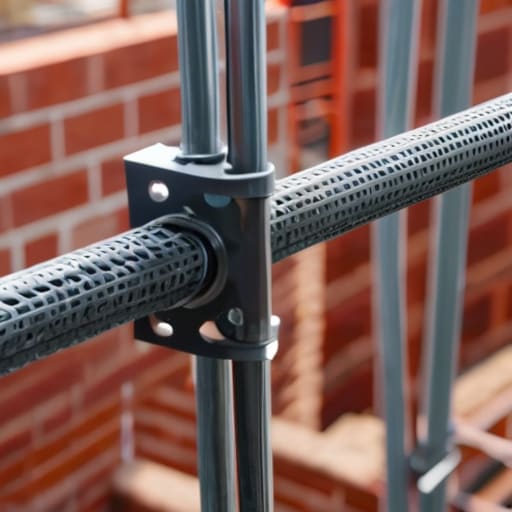
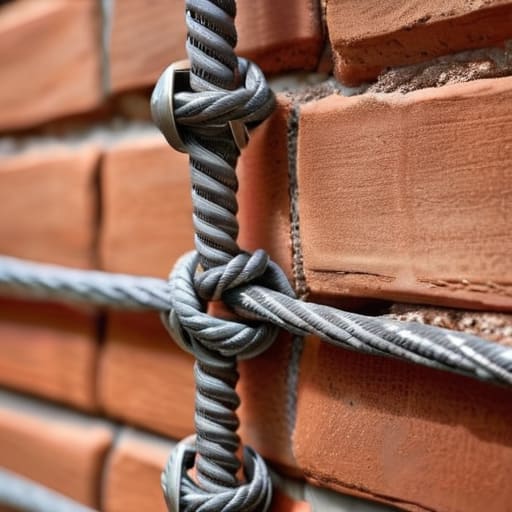
Now, here is where most lads get sloppy. They see a scaffold as just a platform to stand on, but if you aren’t thinking about how that metal frame is actually tethered to the building, you’re asking for trouble. You can’t just lean a tower against a new build and hope for the best. You have to talk about scaffold tie-in methods for brickwork if you want to keep that wall from bowing or, worse, pulling the face right off the masonry.
I’ve seen it happen too many times: some rushed job where they used too few ties or, even worse, they used ties that weren’t rated for the load. If you’re working on a big job, you need to respect the structural integrity of scaffolded masonry. If those ties aren’t anchored into a solid part of the structure—not just some flimsy decorative brickwork—the whole thing becomes a lever that works against the wall every time a gust of wind hits. You don’t just tie it in for the sake of the inspector; you do it because if the scaffold shifts, your straight lines become a series of expensive zig-zags.
Why Masonry Wall Stability and Scaffolding Are Inseparable
Listen, you can’t treat a scaffold like it’s just a ladder on steroids. If you think that steel frame is just there to hold your weight while you lay bricks, you’re asking for a disaster. A scaffold is a heavy, living thing that exerts its own pressure on the very structure you’re trying to build. When you’re working on a large face, the structural integrity of scaffolded masonry depends entirely on how that rig is tied back. If the scaffold starts leaning or vibrating because it isn’t braced right, it’s going to pull at your fresh mortar joints before they’ve even had a chance to set.
I’ve seen it a dozen times: a crew gets a massive rig up, forgets to check the load distribution, and suddenly the weight of the platform is pushing against a wall that isn’t yet strong enough to take it. You’re trying to build stability, but the scaffold is actually introducing instability. If you don’t respect that relationship, you aren’t just risking a fall; you’re risking a wall that looks fine today but starts cracking the moment the seasons change.
Five Ways a Bad Setup Will Kill Your Masonry Before You Start
- Watch your baseplates like a hawk. I’ve seen lads set up a massive scaffold on soft, uncompacted ground, thinking the steel will hold it. It won’t. If that ground shifts under the weight of the boards and the bricks, your scaffold leans, your plumb lines go out the window, and you’ll be fighting a crooked wall from day one.
- Mind the distance between the boards and the face. If you’ve got a massive gap between the scaffold and the wall because the setup is sloppy, you’re going to be overreaching. An overreaching mason is a tired mason, and a tired mason starts cutting corners on his mortar joints just to get the job finished.
- Don’t let the scaffold become a storage unit. I see it all the time—the scaffold gets loaded up with extra pallets of bricks and heavy mortar tubs to “save time.” You’re adding unnecessary load to the structure and making it harder to move. Keep the platform clear so the work stays focused on the wall, not on shuffling heavy gear around.
- Check your access points before the first brick is laid. If the lads have to climb through a jungle of poles just to reach the next course, they’re going to lose their rhythm. A good scaffold should let a man move naturally; if the access is a nightmare, the quality of your masonry will drop as the day goes on.
- Protect your finished work from the structure itself. If you’re building against an existing wall, make sure your scaffold isn’t leaning on it or rubbing against it every time a man walks past. You don’t want to spend three days laying perfect brickwork only to spend the fourth day scrubbing scaffold scuffs and impact marks off the face.
The Bottom Line on Scaffolding and Masonry
At the end of the day, you can’t separate the quality of your brickwork from the platform you’re standing on. If your ties are pulling too hard on a new build, or if your scaffold is sitting on soft ground and shifting every time a man walks past, you aren’t just risking a fall—you’re risking the structural integrity of the wall itself. I’ve seen too many lads try to save a few quid on a dodgy setup, only to spend the next six months trying to straighten out cracked mortar joints and uneven courses. You have to respect the physics of it: a stable wall requires a stable environment, and that starts from the ground up, long before the first brick is even laid.
Don’t let anyone tell you that scaffolding is just a “necessary evil” or a line item to be trimmed. It is the very foundation of your craft. When you take the time to get the ties right and ensure the platform is rock solid, you aren’t just following a safety manual; you are protecting the legacy of the work you’re leaving behind. A mason who respects his scaffold is a mason who takes pride in his finish. Build it right, stand on it with confidence, and the wall will stand long after we’ve all gone.
Frequently Asked Questions
How do I know if the scaffold is actually sitting on a solid enough sub-base to stop it sinking halfway through a brick run?
You don’t guess; you test. If you’re looking at a patch of ground and thinking, “That looks alright,” you’ve already lost. I want to see timber sole boards under every single standard, not just the ones that look soft. If you can push a spade into the ground with your foot, it’s too soft for a scaffold. If that base isn’t dead level and rock-solid, the whole rig will lean, and your brickwork will follow.
When is it better to use a different tie-in method to avoid leaving ugly holes in the finished face of the masonry?
If you’re working on a high-end finish or a decorative face, you don’t want to be patching holes for a week. You use box ties or through-ties when you need real structural stability, but if you’re just looking for a platform to work from, use lip ties or ladder ties instead. They grip the scaffold to the structure without piercing the skin of the wall. If you can’t avoid a hole, at least don’t make it a permanent scar.
Can a poorly braced scaffold actually cause the mortar joints to crack or go out of plumb while I'm working?
Aye, absolutely. If that scaffold is swaying or shifting because the bracing is shoddy, you aren’t just working on a shaky platform—you’re working on a moving target. Every time you lean into a brick or pull a trowel, that micro-movement travels straight into the fresh mortar. You’ll find your joints going out of plumb or hairline cracks appearing before the bed has even set. A wall isn’t built on air; it’s built on stability.