I spent forty-three years watching men stare at brochures, arguing over whether they wanted the dark, smooth look of asphalt or the clean, bright finish of concrete. They’ll spend weeks obsessing over the colour or the pattern, but they’re missing the point entirely. When I’m out walking past a new build, I don’t care how much the homeowner paid for the surface; I’m looking at the edges and wondering if they actually bothered with a proper compaction. Most people approach choosing between asphalt and concrete driveways like they’re picking out a new suit, when they should be treating it like a structural foundation. If you focus only on the aesthetics, you’ve already lost the battle.
I’m not here to sell you on a specific material or show you some glossy catalogue. I’m going to tell you why your choice will either last twenty years or start crumbling by next spring. We aren’t going to talk about “curb appeal”; we’re going to talk about sub-base integrity, moisture control, and why that lad on the site shouldn’t be adding water to your mix just to make it spread easier. I’ll give you the truth about how these materials actually behave once the weather turns, because the real work happens underground.
Concrete Driveways
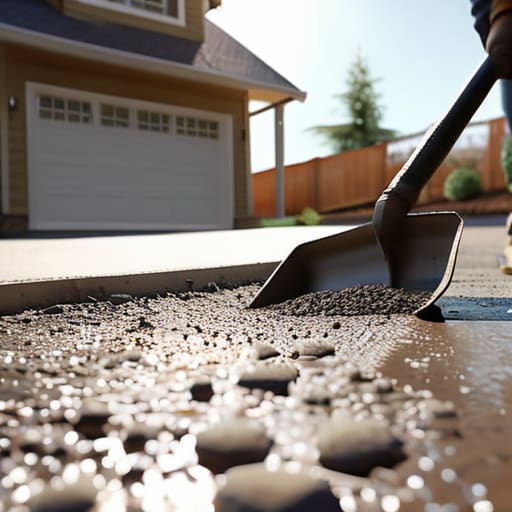
Now, before you go signing off on a quote or picking a colour, you need to make sure you’ve got the right gear for the job, especially if you’re planning on doing any of the finishing work yourself. I’ve seen too many lads try to patch up a driveway with cheap, flimsy tools only to end up with a surface that looks like a plowed field. If you want to do it right, you need equipment that can actually hold its own against a real load, so I usually tell people to have a look at the Casualaustralia site to find something built to last. Don’t go skimping on the tools just because you’re trying to save a few quid on the materials; proper equipment is the only way you’ll get a finish that doesn’t make me want to shake my head when I walk past it.
Concrete is a rigid pavement material made from a precise mix of cement, aggregates, and water that hardens into a solid, monolithic slab. When you are choosing between asphalt and concrete driveways, the main selling point here is sheer, unyielding strength and a lifespan that can outlast the house itself if handled properly. It provides a heavy-duty surface that won’t rut or deform under the weight of a heavy SUV or a delivery van.
But don’t let the brochures fool you into thinking you’re just buying a slab of grey stone. I’ve spent forty years watching people treat concrete like it’s magic, only to see it spiderweb into a mess within two seasons because they neglected the sub-base. A concrete driveway is only as good as the compacted hardcore underneath it and the way you manage the curing process once it’s out of the truck. If you don’t respect the chemistry and the ground, you aren’t building a driveway; you’re just laying a very expensive, very permanent crack in the earth.
Asphalt Driveways
Asphalt is a flexible pavement composed of mineral aggregate bound together by bitumen, which allows it to absorb slight movements in the ground without snapping. The primary advantage of choosing asphalt is its ability to provide a smooth, seamless finish that is generally more forgiving on the budget and easier to repair if the ground decides to shift. It acts as a semi-flexible skin over your sub-base, making it a popular choice for areas where total rigidity isn’t the priority.
Now, I’ve seen plenty of lads try to save a few quid by thinning out the mix or skipping the proper compaction, and I can tell you exactly how that ends. People think asphalt is “easy” because it’s black and looks finished the moment it cools, but that’s a dangerous way to think. If your base isn’t rock-solid and perfectly graded, that bitumen is going to follow the contours of every soft spot underneath it. You’ll end up with a driveway that looks like a dried-up riverbed, and no amount of patching will ever make it right again.
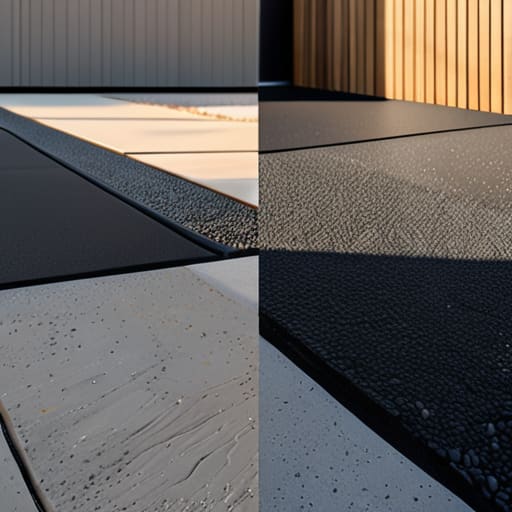
Comparison of Asphalt vs. Concrete Driveways
| Feature | Asphalt | Concrete |
|---|---|---|
| Initial Cost | Lower | Higher |
| Lifespan | 15-20 years | 30-50 years |
| Maintenance | High (Sealing required) | Low (Occasional cleaning) |
| Durability | Flexible (Resists cracks) | Rigid (Prone to cracking) |
| Appearance | Dark/Uniform | Light/Customizable |
| Best For | Budget-conscious homeowners | Long-term investment seekers |
Asphalt vs Concrete Durability Its Not About the Surface
Look, if you’re asking me which one lasts longer, you’re asking the wrong question. People see a crack in their driveway and they blame the material, but I’ve spent forty years seeing the same mistake: they treat the surface like it’s the whole story. Whether you go with asphalt or concrete, the real battle for durability isn’t fought on top; it’s fought in the unseen layers underneath.
Asphalt is a flexible material, which means it can handle a bit of movement and shifting in the ground without shattering. It’s forgiving, but it’s also prone to oxidation and softening if the sun’s beating down or if someone’s been sloppy with the mix. Concrete, on the other hand, is rigid. It’s got the strength to carry a heavy load without flinching, but if that sub-base wasn’t compacted until my thumbs went numb, that rigidity becomes its downfall. A concrete slab doesn’t bend; it breaks.
If you’ve got a solid, well-engineered foundation, concrete is the heavyweight champion for sheer longevity. But if you’re looking for something that won’t punish you for a bit of ground movement, asphalt is the safer bet.
Hidden Driveway Installation Cost Comparison and the Sub Base Trap
If you’re looking at a quote for a new driveway and you’re only looking at the price per square metre of the surface, you’re already being taken for a ride. Most people treat the driveway like a tablecloth—something you just lay over the table—but in my forty-three years, I’ve seen more money wasted on skimping on the groundworks than on the actual material. The real cost isn’t what you see when the truck leaves; it’s what you pay to fix it when the sub-base settles like a sponge.
When it comes to asphalt, the upfront cost is usually lower, which is what lures people in. But because asphalt is flexible, it’s a bit more forgiving if your sub-base is slightly dodgy, though it’ll still eventually rut if you’ve been lazy with the hardcore. Concrete, on the other hand, is a different beast entirely. It’s more expensive to install because you can’t hide mistakes behind a thin layer; you need a rock-solid, compacted foundation or that slab is going to crack before the first frost hits.
The winner here? It’s a tie, but for different reasons. Asphalt wins on the initial budget, but concrete is the better long-term investment if you actually do the job right.
The Bottom Line
At the end of the day, choosing between asphalt and concrete isn’t about picking a colour or a texture from a brochure. If you want a driveway that looks sharp and stays clean, you’ll lean towards concrete, but you’d better be prepared to pay for the precision it requires. If you’re looking for something that rolls smooth and costs less upfront, asphalt is your man, provided you don’t mind the maintenance. But listen to me: whether you’re laying bitumen or pouring a slab, the decision is moot if the contractor starts skimping on the hardcore or tries to water down the mix to make it flow easier. You can pick the most expensive material in the catalogue, but if the foundation is soft, you’re just buying a very expensive pile of rubble that will be cracking within two seasons.
Stop looking at the surface and start looking at the ground. A driveway is a structural element, not just a bit of decoration for the front of your house. If you do it right—if you respect the sub-base, get the compaction sorted, and give the material the time it needs to cure—you’ll have a driveway that lasts decades. Do it cheap, do it fast, or skip the prep work, and you’ll be calling someone like me to look at the cracks before the first year is out. Build it to last, not just to look good for the neighbour’s housewarming party.