I remember standing on a site in ’94, watching a young lad try to push through a midday heatwave with a fresh load of mortar, thinking he could just “work faster” before it dried. By tea time, that wall wasn’t a structure; it was a collection of brittle, dusty cracks waiting to happen. People love to spend a fortune on high-spec bricks and expensive scaffolding, but they completely ignore the most unpredictable foreman on the job: the sky. They think they can outsmart the elements, but if you don’t understand how weather affects bricklaying, you aren’t building a home—you’re just stacking up a massive, expensive headache for the next bloke to fix.
I’m not here to give you some textbook lecture or a list of theoretical temperatures from a manual. I’m going to tell you what actually happens when the frost starts biting your mortar or when a sudden downpour turns your site into a swamp. I’ll show you exactly when to put the trowel down and walk away, because I’ve spent forty-three years learning that the best way to handle the weather is to respect it.
Table of Contents
The Invisible Enemy Impact of Humidity on Mortar
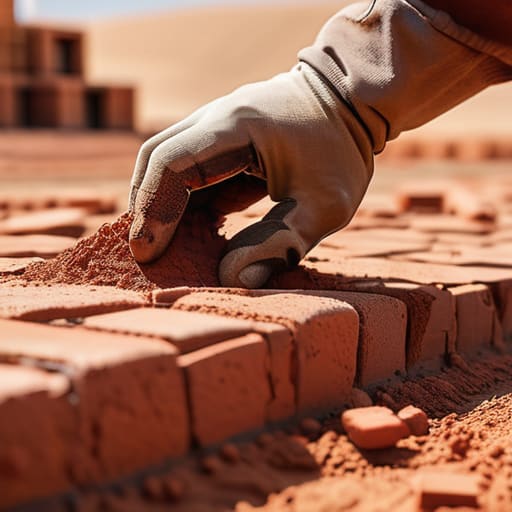
Everyone talks about the rain or the frost, but they forget about the air you’re breathing. You can have the perfect mix in your bucket, but if the humidity is working against you, you’re fighting a losing battle. When the air is bone-dry and the humidity drops, that moisture gets sucked out of your joints before the chemical bond even has a chance to set. You end up with a brittle, dusty mess that looks fine for an hour but will crumble under the slightest pressure. It’s not just about the wet; it’s about how fast that water leaves the scene.
On the flip side, if you’re working in heavy, damp air where the moisture won’t lift, your mortar stays “green” for far too long. This lack of proper drying can lead to a weak bond, making the whole wall susceptible to movement later on. I’ve seen lads try to rush a job in high humidity, thinking the dampness will help them work the joints, but all they’re doing is inviting a weak structure. You have to understand the impact of humidity on mortar if you want a wall that stays standing once I’ve retired for good.
Finding the Ideal Temperature for Brickwork
Now, let’s talk numbers, because the thermometer is just as important as your trowel. If you’re looking for the ideal temperature for brickwork, you want to be sitting comfortably above five degrees Celsius. Anything lower than that and you’re playing a dangerous game with the chemistry of your mix. I’ve seen too many lads try to push through a cold snap, thinking they can just work faster, but once that frost hits, the water in your mortar freezes before it can even bond with the brick. That’s how you end up with a wall that looks fine on Tuesday but turns to dust by March.
If you find yourself stuck with bricklaying in freezing conditions, you better have a plan for heat, not just a thicker jacket. You can’t just hope for the best; you need to be using proper masonry protection techniques, like heavy-duty polythene or even temporary heating, to keep that bond stable. If the temperature drops too fast, the moisture pulls out of the mortar too quickly, and you’ll be staring at hairline fractures before the sun even goes down. It’s not about being soft; it’s about knowing that once the frost gets into the joints, you’re just building a very expensive pile of rubble.
Five Ways the Weather Will Ruin Your Build
- Watch the wind, not just the rain. A stiff breeze doesn’t just blow your dust around; it sucks the moisture out of your mortar joints before they’ve even had a chance to set. You’ll end up with “dry” joints that look fine for an hour but will crumble like biscuit when the first winter frost hits.
- Stop trying to outrun the frost. If you see a freeze coming, you don’t just pack up and hope for the best. You need to cover your work or use heated enclosures. If that water in your mortar freezes before it’s chemically bonded, you aren’t building a wall—you’re just stacking expensive, frozen mistakes.
- Don’t let the sun bake the life out of your work. On those rare, blistering summer days, people think it’s perfect weather. It isn’t. If the sun dries the mortar too fast, you lose your bond. You need to keep an eye on it and, if you have to, use a fine mist to keep the masonry from parching.
- Rain isn’t just a nuisance; it’s a structural threat. If you’re caught in a downpour while your mortar is still “green,” the rain will wash the cement right out of the joints, leaving you with nothing but a pile of wet sand and a massive headache. Cover your work or stay home.
- Humidity is the silent killer of a good bond. If the air is too damp, the mortar won’t dry at a natural pace; if it’s too bone-dry, it’ll flash-dry. You want a steady, predictable evaporation. If the weather is jumping from one extreme to the other, leave the trowel in the bucket and wait for a stable window.
Don't Fight the Sky
At the end of the day, you can buy the most expensive bricks and the finest sand in the country, but if you ignore the sky, you’re just throwing money into the wind. We’ve talked about why you can’t let the frost turn your mortar into dust or how a humid afternoon can make your joints go soft and sloppy. It all comes down to one thing: respecting the chemistry. If the temperature is wrong or the moisture levels are fighting you, the bond simply won’t happen. You can try to rush the job or hide a bad mix under a bit of quick work, but nature always collects its debt in the form of cracks, efflorescence, and crumbling joints six months down the line.
I’ve seen plenty of lads try to beat the clock by working through a downpour or a heatwave just to get the site cleared. They think they’re being efficient, but they’re actually just building a future headache for someone else to fix. My advice? Learn to read the clouds as well as you read your blueprints. There is a massive amount of pride to be found in a wall that stands straight and true for fifty years because you had the sense to put the trowel down when the weather turned sour. Build it right the first time, or don’t bother building it at all.
Frequently Asked Questions
If the forecast says it's going to rain, can I just cover the work with plastic, or is the damage already done to the mortar?
Listen, if you’re asking me this, you’ve already lost the battle. If the rain hits that mortar before it’s set, it’s not just “wet”—it’s washed out. The rain leaches the cement right out of the mix, leaving you with nothing but a pile of expensive, sandy grit that won’t hold a lick of strength. Covering it with plastic is a fine bit of damage control, but if the sky opens up before you’ve got that cover down, you’re just protecting a failure.
Is it actually worth the extra cost to use a frost protection additive, or am I just throwing money away?
Look, if you’re asking me, you’ve already seen the cracks. If you’re pouring in temperatures that’d make a sheep shiver, you aren’t just “saving money” by skipping the additive—you’re gambling with the whole structure. An additive isn’t a luxury; it’s insurance against the water in your mix turning into ice and blowing the bond before it’s even set. If you can’t afford the additive, you shouldn’t be pouring in the frost. Period.
How do I know if the wind is going to dry out my joints too fast before the mortar has even had a chance to set?
You don’t look at the clouds for that; you look at the grit. If you see fine dust dancing off a fresh bed or if you can feel a constant, biting breeze hitting your neck, you’re in trouble. A steady wind acts like a hairdryer on your joints, sucking the moisture out before the chemical bond even starts. If the wind’s whistling through the scaffolding, you better have your hessian ready to wrap that wall.