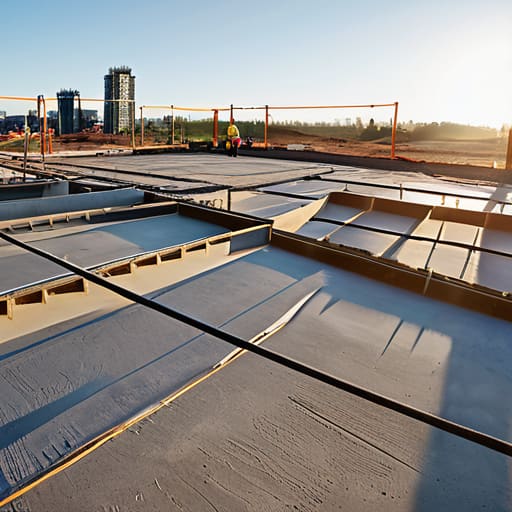
I’ve spent forty-three years watching lads stare at spec sheets like they’re reading the Bible, thinking a “complete guide to concrete mix design” is just about getting the ratio of aggregate to cement right on a piece of paper. They think if they order a high-strength C35, they’ve won the war. But I’ve seen more failures caused by a bloke with a garden hose than by a bad calculation. You can have the most expensive, engineer-approved recipe in the world, but if you don’t understand how that mix behaves when the sun starts beating down or when the sub-base is thirstier than a driver on a Friday afternoon, you’re just throwing money into a hole.
I’m not here to give you a lecture from a textbook or some fancy academic theory that hasn’t seen a day of real mud. What I’m going to give you is the truth from the trenches—the stuff they don’t teach in those City & Guilds courses. We’re going to talk about the real variables: how to spot a bad batch before it leaves the drum, why your water-to-cement ratio is your most dangerous tool, and how to ensure your mix actually survives the first forty-eight hours. This is about doing it right the first time, so you aren’t the one getting the phone call about a cracked slab six months down the line.
Table of Contents
Cementitious Material Proportions the Math Nobody Respects
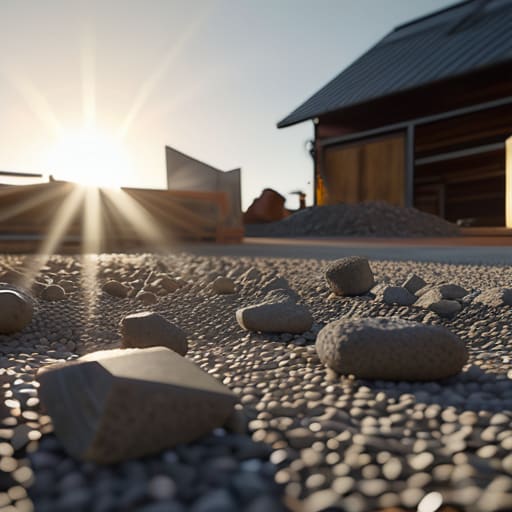
Now, everyone loves to talk about the fancy strength numbers on the spec sheet, but they treat the actual cementitious material proportions like a suggestion rather than a law. I’ve seen lads look at a design and think, “It’s just a bit of powder, how much can it matter?” That’s where you go wrong. If you don’t respect the balance between your binder and your aggregates, you aren’t building a foundation; you’re just making expensive gravel. It’s a delicate dance, and if you throw the ratios out the window to save a few quid on the cement content, you’ll be back here in eighteen months explaining why the slab is crumbling.
You can run all the concrete compressive strength testing you want in a lab, but those results won’t mean a thing if your math was rubbish from the start. Most people focus on the strength, but they forget about water-cement ratio optimization. They think more water equals easier work, but all they’re doing is creating voids that’ll turn the slab into a sponge. You have to get the proportions right before the first shovel hits the pile, or you’re just fighting a losing battle against physics.
Aggregate Grading and Sizing Building the Skeleton Correctly
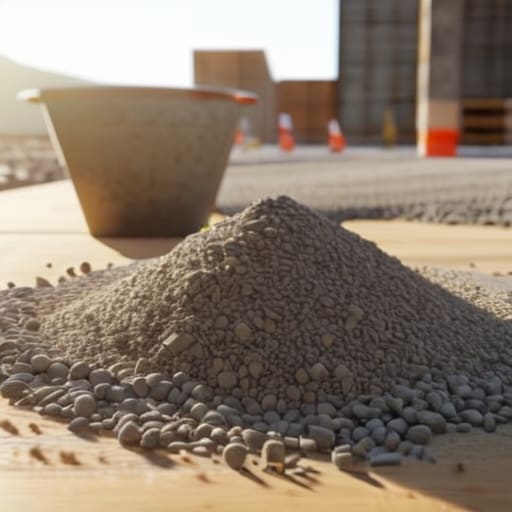
You can have the finest cement in the world, but if your aggregate is rubbish, your mix is rubbish. I’ve seen lads try to save a few quid by ordering a single-sized stone, thinking it’ll make the pour easier. That’s a mistake. You need a proper range of sizes—what we call aggregate grading and sizing—to ensure the smaller bits fill the gaps between the big ones. If you don’t have that interlocking skeleton, you’re just pouring expensive soup. When the gaps are too big, you end up needing more paste to fill them, which leads to shrinkage and cracks that’ll haunt you long after the site is cleared.
It’s all about the density of the pack. A well-graded mix means you aren’t fighting the material; it’s already working for you. If your grading is off, you’ll find yourself staring at a failed slump test for workability, trying to coax a stiff, unworkable mess into a formwork that’s already drying out. Get the skeleton right from the start, or you’ll be paying for it in remedial work later.
The Three Things That’ll Ruin Your Mix Before You Even Start
- Stop obsessing over the cement ratio and look at your sub-base first. I’ve seen the most expensive, high-spec mix in the world crack right down the middle because someone laid it on soft, uncompacted clay. If the ground isn’t solid, the concrete is just expensive decoration.
- Watch the water like a hawk. There’s always some lad on-site who thinks adding a few extra buckets of water to the drum will make it “flow better” for the screed. All he’s doing is washing out the strength and leaving you with a porous, weak mess that’ll crumble in five years.
- Respect the temperature, or the weather will punish you. If you’re pouring in a heatwave without a plan for curing, that water is going to evaporate before the crystals can even form. You’ll end up with plastic shrinkage cracks that look like a dried-up riverbed.
- Don’t skip the slump test just because you’re in a rush. You need to know exactly what’s coming out of that truck before you start spreading it. If the consistency is off, it’s better to send the truck back than to try and “fix” a bad mix on the ground.
- Plan your joints before the first shovel hits the dirt. A mix design tells you how strong the concrete is, but it doesn’t tell you where it’s going to crack. If you haven’t mapped out your control joints, the concrete will choose its own path, and it won’t be where you want it.
Don't Let the Paperwork Fool You
At the end of the day, you can spend all week obsessing over your cementitious ratios and your aggregate grading curves, but that’s only half the job. If you get the math right but forget that the sub-base is soft, or if you perfect your skeleton of stone only to let a laborer hose down the mix because it’s too stiff to spread, you’ve wasted your money and your time. A mix design isn’t just a recipe on a piece of paper; it is a commitment to how that material is going to behave from the moment it leaves the drum until it’s fully cured. You have to respect the proportions, yes, but you also have to respect the physical reality of the site.
I’ve seen plenty of lads try to cut corners to save a few quid on the mix or shave ten minutes off the pour, and I’ve seen those same lads coming back six months later asking me why their slab is splitting. Don’t be that guy. Treat every pour like you’re the one who has to stand on it ten years from now. If you do the groundwork right, respect the chemistry, and refuse to compromise on the quality when things get difficult, the concrete will do the work for you. Build it once, build it right, and you won’t have to spend your retirement fixing someone else’s laziness.
Frequently Asked Questions
If my aggregates are a bit damp from the rain, do I need to adjust the water-to-cement ratio in the mix design to stop it from being too soupy?
Listen, if your stone is soaking wet, you absolutely have to account for it. That moisture isn’t just sitting there; it’s already part of your water content. If you stick to your printed mix design without adjusting, you’ll end up with a soup that’s got no strength left in it. You need to subtract that extra water from your batch. I’ve seen too many lads ignore this, thinking a little extra “slump” makes life easier, only to watch the slab crack a month later.
How much does the actual quality of the sand and stone matter if I'm already sticking strictly to the calculated proportions?
It matters more than you think. You can follow the proportions to the letter, but if your sand is full of silt or your stone is dusty and poorly graded, your math is useless. Dirty sand ruins the bond; it’s like trying to glue something with handfuls of sawdust. If your aggregates aren’t clean and the sizing is off, you’ll end up with voids and a mix that’s weak no matter what the spreadsheet says.
Can I just use a standard ready-mix design for everything, or is there a point where the math for a slab becomes too different from a structural foundation?
If you think a standard mix works for everything, you’re asking for a crack in six months. A domestic slab is one thing, but a structural foundation is a different beast entirely. You’re dealing with different loads, different soil pressures, and different shrinkage risks. You can’t just eyeball the strength requirements. If you use a “one size fits all” approach, you’re ignoring the physics. Get the math wrong on a foundation, and you’re not just fixing a surface—you’re fixing a house.