I remember a job back in the late nineties, a big commercial slab where the site manager was waving a clipboard around like it was a holy relic, insisting that the lab results would save them. He thought that once the technician took his samples, the hard work was done. But I watched that lad take his samples from the very top of the discharge chute, right where the driver had just dumped a bucket of water into the drum to “loosen things up” for the pump. He thought he was following the rules, but he didn’t actually understand how cube testing works in the real world. He was testing the water, not the mix, and he was about to find out the hard way when those cylinders came back failing.
I’m not here to give you a textbook lecture or some sanitized engineering manual that’s never seen a speck of dust. I’m going to tell you how it actually works when the weather is turning foul and the pressure is on to finish the pour. I’ll show you where the real testing happens—not just in the lab, but in the way you handle the samples before they even get there. If you want the truth about getting an accurate reading instead of just a piece of paper to tick a box, you’re in the right place.
Table of Contents
The Truth in Concrete Specimen Preparation
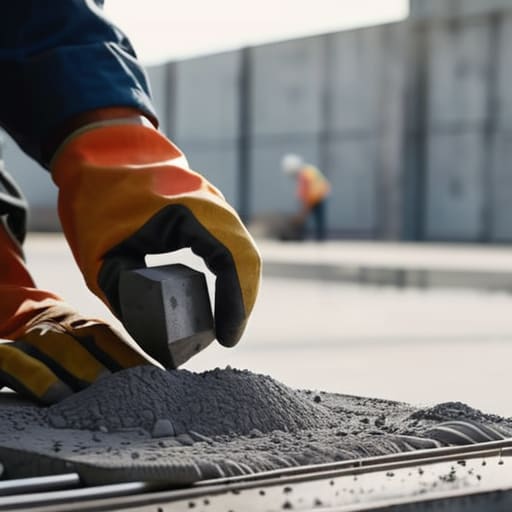
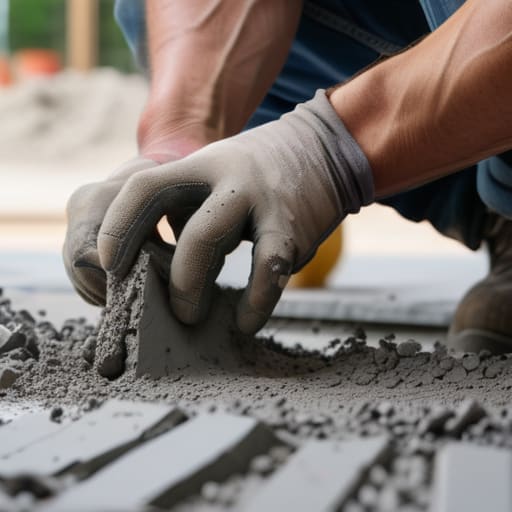
You can have the most expensive mix design in the world, but if your concrete specimen preparation is a shambles, the results are nothing but a lie. I’ve seen lads treat the sampling like an afterthought—just scooping a bit of wet muck into a mold and calling it a day. That’s not testing; that’s guesswork. If you aren’t compacting those layers properly to get the air out, or if you’re pulling the samples from the very top of the truck where the slump is all wrong, you’re basically asking for a failed report.
It’s not just about the pour, though. You have to respect the concrete curing conditions once those cubes are sitting there. If you leave them in a drafty corner of the site or let them dry out too fast under a direct sun, you’ve already decided the outcome before the lab even gets involved. You can follow all the standard testing procedures to the letter, but if the specimen wasn’t handled with a bit of respect from the moment it left the chute, you’re just documenting a failure that was baked in from the start.
Where Standard Testing Procedures Meet Real World Mess
The problem with following standard testing procedures to the letter is that a laboratory is a clean, controlled environment, and a building site is a bloody battlefield. You can hand a technician a perfectly cast cube that meets every ASTM C39 standard, but that doesn’t mean the slab you just poured is going to behave the same way. In the lab, they’ve got it easy; they control the temperature, the humidity, and the stillness. Out on the ground, you’ve got wind drying out the surface, midday sun baking the mix, or a driver who’s been playing chemist with the water content to make the slump more manageable.
When we talk about concrete quality control, we have to acknowledge that a cube is just a snapshot of a moment. If the lad on site is rushing the concrete specimen preparation—maybe he’s not tamping it properly or he’s letting the mix sit in the sun too long before it hits the mould—then that test result is a lie. You can run all the compressive strength testing you like, but if the conditions on the ground don’t match the conditions in the curing tank, you’re just reading a fairy tale.
Five Things a Lab Report Won't Tell You About Your Cubes
- Stop treating the sample like an afterthought. If you’re grabbing a bucket of concrete from the very end of the chute after the lads have been messing with the slump, you aren’t testing the mix—you’re testing the leftovers. You take your samples when the pour is fresh and the mix is consistent, right at the start of the main work.
- Watch the water, for God’s sake. I’ve seen more failed tests caused by a lad adding a splash of water to the cube mould to make it easier to level off than by any actual fault in the batch. You compact it properly with a rod, you don’t “help” it by thinning it out. If you change the water-cement ratio in the sample, the test is a lie.
- Curing isn’t just “letting it sit.” If you leave those cubes out on a cold, breezy slab overnight without proper cover, you’ve already lost. They need to be in a controlled environment, kept moist and steady. A cube that dries out too fast will give you a reading that’ll make your engineer’s hair turn grey, and it won’t be because the concrete was rubbish.
- Timing is everything. You can’t just take a cube, smash it whenever you feel like it, and expect a real result. You follow the schedule—7 days, 28 days—and you stick to it. If you’re rushing the 7-day break because you’re impatient to get the next stage of the build moving, you’re going to get a number that doesn’t mean a damn thing for the long-term strength.
- Don’t blame the cube for a bad sub-base. I’ve seen plenty of a “failed” strength test where the concrete was actually fine, but the way the samples were handled or the way the site was managed made the data look dodgy. A cube test only tells you about the strength of that little block; it doesn’t tell you if your foundations are going to crack because you didn’t compact the hardcore properly.
The Final Word on the Test
At the end of the day, cube testing isn’t just some box-ticking exercise for a site manager with a clipboard; it’s the only way to see if the mix you actually poured matches what you paid for. You can have the best spec in the world, but if the lads are adding extra water to the drum to make it flow easier, or if the samples are being left out in the sun instead of being cured properly, those cubes are going to tell a story you won’t like. You have to remember that a test is only as good as the integrity of the person taking the sample. If you treat the specimen like an afterthought, you’ve already lost the battle before the concrete has even set.
I’ve seen plenty of men get caught out by a failed test, and more often than not, it wasn’t the cement’s fault—it was the lack of respect for the process. Don’t view the testing as a hurdle to get through; view it as your insurance policy against a cracked slab and a phone call from a furious customer six months down the line. If you get the preparation right and respect the science, you can sleep soundly knowing that what’s under the surface is as solid as what you see on top. Do it right the first time, or don’t bother pouring at all.
Frequently Asked Questions
If the cubes come out looking perfect but the slab starts cracking in six months, who’s actually at fault?
If your cubes are perfect but the slab is splitting, you’ve been handed a piece of paper that doesn’t tell the whole story. The cubes prove the mix was right in a controlled little box, but they don’t account for the real world. It means the concrete was fine, but the execution failed. Either the sub-base wasn’t compacted properly, the joints were too far apart, or someone let it dry out too fast. The cubes aren’t lying; they’re just irrelevant to a bad pour.
Does it even matter how you cast the samples if the lad on the drum is already watering down the mix before it hits the ground?
It matters more than you think, but you’re asking the wrong question. If the lad on the drum is watering down the mix, the cube is going to show you a failure, but it won’t tell you why. It’ll just prove the concrete is rubbish. You’ll have a perfect, scientifically cast sample of a bad mix. The cube tells you the strength is gone; it doesn’t point the finger at the driver. That’s why you watch the pour.
How much of a difference does it actually make to the final strength if the cubes aren't cured in the same conditions as the actual pour?
It makes all the difference. If you’re pouring a slab in a freezing gale but your cubes are sitting in a warm, sheltered lab, those test results are a lie. You’re testing a perfect world, not the one you’re actually building in. If the cubes don’t experience the same temperature and humidity as the pour, you’re just looking at a piece of paper that has nothing to do with your foundation.