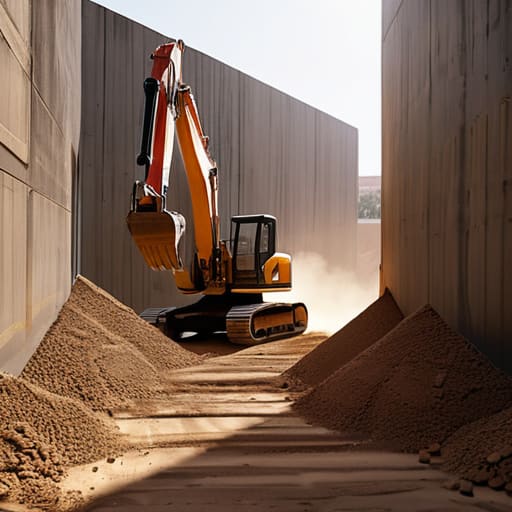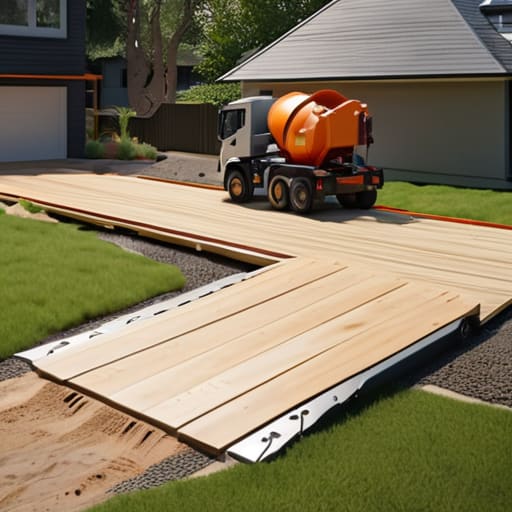
I remember standing on a site in the Midlands back in ’98, watching a lad pour a massive slab over ground that was basically a sponge. He had a thick folder of paperwork sitting on his shovel, thinking because he had a professional document, he was safe. He didn’t actually know how to read a soil report; he just knew he had paid a man to write one. He saw a pile of paper, but I saw a ticking time bomb of subsidence waiting to happen the first time the heavy rains hit.
I’m not here to give you a university lecture or bury you in geotechnical jargon that’ll make your eyes glaze over. I’ve spent forty-three years seeing what happens when people ignore the dirt beneath their feet, and I’m telling you now: the paper tells the truth, but only if you know where to look. I’m going to show you exactly which numbers matter and which ones are just noise, so you can stop guessing and start building on something solid.
Table of Contents
Decoding Subsurface Investigation Results Before the Trucks Arrive
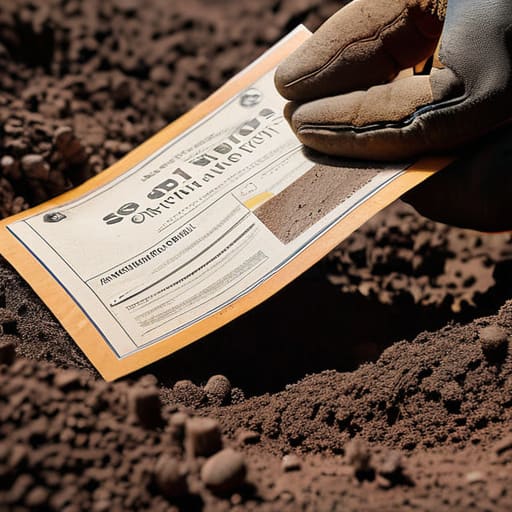
When you’re staring at a stack of papers after a site survey, don’t let the jargon blind you. You aren’t looking for a degree in geology; you’re looking for the truth about what’s sitting under your boots. Look straight for the soil composition analysis. If the report shows a high concentration of organic matter or loose silt, you aren’t just looking at “dirt”—you’re looking at a future sinkhole. I’ve seen lads try to pour a heavy slab over what they thought was solid ground, only to find out too late that the report flagged a layer of peat that’s more sponge than stone.
Pay close attention to the soil plasticity index and the moisture levels mentioned in the subsurface investigation results. If that number is high, it means the ground is going to swell and shrink like an accordion every time the seasons change. That movement will snap a foundation like a dry biscuit. You need to know those foundation design parameters before you even think about calling the batch plant. If the report says the ground is unstable, you don’t argue with the paper; you dig deeper or you change your method.
Why Soil Composition Analysis Dictates Your Foundations Fate
You can buy the highest grade of concrete in the world, but if you’re pouring it onto a bed of expansive clay, you’re just wasting money. I’ve seen it a hundred times: a beautiful, smooth slab that looks perfect on day one, only to start heaving and cracking within a single season. That’s because the soil composition analysis told a story the builder chose to ignore. If that report shows a high soil plasticity index, it means that ground is going to swell like a sponge when it rains and shrink like a raisin when it dries. You aren’t just pouring concrete; you’re fighting a living, moving mass of earth.
When you’re looking at the data, pay attention to how they describe the grit and the moisture. If the soil moisture content is all over the place, your bearing capacity is going to be a moving target. You can’t set your foundation design parameters on guesswork. If the ground is unstable, you don’t just “pour more concrete” to fix it—that’s a rookie mistake. You either fix the sub-base, you swap the material, or you walk away from the job.
Five Things You Better Find in That Report Before You Call the Batching Plant
- Look for the Plasticity Index, not just the soil type. If that number is high, you’re looking at clay that’s going to swell like a sponge when it rains and shrink like a raisin when it dries; that’s how you get cracks that no amount of reinforcement will ever fix.
- Check the groundwater table depth and don’t just skim it. If that water level is sitting right where your sub-base is supposed to be, you aren’t pouring on ground, you’re pouring on a sponge, and your slab is going to settle before the concrete is even set.
- Find the bearing capacity and compare it to your design, but don’t take it at face value. If the report says the ground can hold X, but your site is a mess of organic matter or old peat, that number is a lie and your foundations will sink.
- Pay attention to the moisture content readings. If the soil is already saturated or bone-dry compared to what the mix requires, your compaction is going to be a nightmare, and a poorly compacted sub-base is just a slow-motion disaster waiting to happen.
- Don’t ignore the “Limitations” section at the back of the document. That’s where the engineers hide the truth about where they didn’t drill; if they skipped the corner of your site because it was too hard to reach, you’ve got a massive blind spot that could swallow your whole project.
Don't Let the Paperwork Blind You
At the end of the day, reading that soil report isn’t about passing a test or ticking a box for the building inspector; it’s about knowing exactly what you’re fighting against once the shovel hits the dirt. You’ve looked at the moisture content, you’ve checked the bearing capacity, and you’ve seen what’s hiding under the topsoil. If you ignore a warning about expansive clays or a high water table just because it’s inconvenient for the schedule, you aren’t saving money—you’re just pre-ordering a massive crack down the middle of your slab. Remember, the numbers in that report are the only thing standing between a solid foundation and a total structural nightmare six months down the line.
I’ve spent forty-three years watching men try to outsmart the earth, and let me tell you, the earth always wins if you don’t respect it. Don’t be the person who treats a soil report like a piece of junk mail. Treat it like a map of a minefield. When you take the time to actually understand what’s happening beneath your boots, you stop being someone who just pours concrete and start being someone who builds things that last. Do the work now, respect the ground, and you won’t be the one I’m visiting in a year to tell you why your foundation is failing.
Frequently Asked Questions
If the report says the soil is "clay-heavy," does that mean I need to change my entire mix or just add more reinforcement?
Neither. If you’re looking to fix clay with more steel or a thicker mix, you’ve already lost the battle. You can pour the most expensive, reinforced slab in the county, but if that clay decides to swell or shrink with the seasons, it’ll heave your concrete right out of the ground. You don’t change the mix; you change what’s underneath it. You dig deeper, swap that clay for proper hardcore, or get a proper sub-base that won’t move.
I’ve seen reports that mention "water tables"—how much of a problem is a high water table actually going to be for my slab once we start digging?
A high water table isn’t just a nuisance; it’s a disaster waiting to happen. If you’re digging and you hit water, your sub-base is going to turn into soup. You can’t compact mud, and you certainly can’t build a stable foundation on it. If that report shows the water is sitting high, you’ll need drainage or a structural change before a single drop of concrete touches the ground. Ignore it, and your slab will heave or sink.
The report shows a bunch of technical numbers like "Atterberg limits" and "void ratios," but how do I know if those numbers mean the ground is actually stable or if I'm looking at a future crack?
Look, those numbers aren’t just math; they’re a warning. If your Atterberg limits show high plasticity, that ground is going to swell like a sponge when it rains and shrink when it dries. That’s how you get cracks. As for void ratios, if those gaps are too high, you’re basically pouring expensive concrete over a sponge. If the numbers look wonky, don’t try to outsmart them with more cement. Fix the ground first.