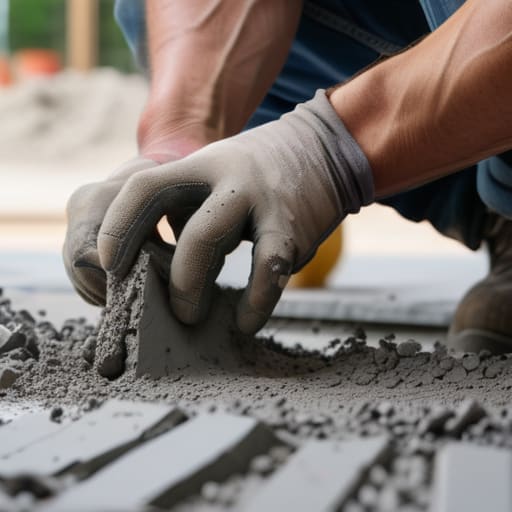
I remember standing on a site in ’94, watching a young lad with a bright new shovel and a lot of misplaced confidence take a garden hose to a fresh batch of C35. He thought he was doing everyone a favour by making it “slump” better so it would spread easier across the slab. I didn’t even need to check the specs to know we were in trouble; I could see the disaster unfolding in real-time. Most people think they can just fiddle with the consistency on the fly, but they don’t understand how the water cement ratio works in the long run. You aren’t just making it easier to pour; you are diluting the very glue that holds that structure together.
I’m not here to give you a lecture from a textbook or some fancy chemical formula that only makes sense in a lab. I’m going to tell you what happens when that ratio goes sideways and how it actually affects the strength of your pour once the dust settles. We’re going to skip the fluff and focus on the hard reality of why that extra splash of water is a debt you’ll be paying back in cracks and crumbling edges for years to come.
Table of Contents
The Hydration Process in Cement More Than Just Wet Sand

Most people look at a mixer and think they’re just making wet sand. They see a grey sludge and think as long as it’s easy to spread, they’re winning. But the hydration process in cement isn’t some simple drying out like a puddle on a driveway. It’s a chemical reaction. When that water hits the cement, it starts growing microscopic crystals that interlock like fingers. That’s what actually gives the slab its teeth. If you get that chemistry right, you get a solid, dense mass. If you get it wrong, you’re just building a house of cards out of dust.
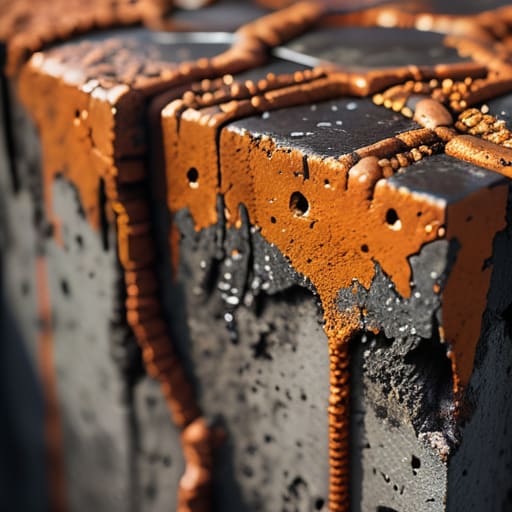
The real trouble starts when you try to cheat the mix. I’ve seen it a thousand times: the lads are tired, the pour is getting stiff, and someone decides to hose down the batch to make it move easier. That extra bit of moisture might help your slump test and workability in the short term, but you’re effectively creating a roadmap for failure. That excess water eventually evaporates, leaving behind tiny voids where it used to be. Those holes turn into a network of microscopic tunnels, which is exactly how you end up with high concrete permeability and porosity. You aren’t just making it easier to pour; you’re making it easier for the frost and the chemicals to rot the slab from the inside out.
Finding the Optimal Water Cement Ratio for Construction
Now, you can’t just guess your way through this. If you’re looking for the optimal water-cement ratio for construction, you have to respect the math behind the mix. Every drop of water you add beyond what’s needed to trigger the hydration process is essentially a liability. I’ve seen too many lads look at a stiff mix, see the lads struggling with the shovels, and think a splash of the hose will save them. But that’s where the trouble starts. You might get a better slump test and workability in the short term, making the pour feel like a breeze, but you’re actually just building a ticking time bomb.
The real danger is what happens once that water evaporates or gets pushed out. When you have too much liquid, it leaves behind microscopic voids. This increases your concrete permeability and porosity, turning what should be a solid slab into something more like a hard sponge. You’ll see it years later when the frost gets in or the salts start eating the reinforcement. If you want the strength the spec calls for, you have to balance that workability against the long-term integrity of the build.
Don't Let the Site Crew Ruin Your Mix
- Stop treating water like a lubricant. I’ve seen it a thousand times: a lad gets tired of working a stiff mix, so he grabs the hose and gives it a quick spray to make it “flow better.” You might get a smoother finish for ten minutes, but you’ve just opened the door for shrinkage cracks and a slab that’ll be crumbling in five years.
- Watch the slump like a hawk. If the delivery driver shows up and the mix looks like soup, don’t just accept it because it’s easier to screed. That extra water is going to migrate to the surface, leaving the bottom of your slab weak and porous. If it’s too wet, send it back or demand a different mix.
- Remember that the weather is part of your ratio. If you’re pouring in the midday sun or a stiff breeze, that water is going to vanish before the hydration even gets a chance to do its job. You can have the perfect ratio on paper, but if the sun drinks it all up in an hour, you’re left with a surface that’s nothing but dust and disappointment.
- Test your aggregates before you trust the mix. If you’re using damp sand or wet stone from a pile that’s been sitting in the rain, that moisture is already part of your water-cement ratio. If you don’t account for the water already hiding in your stone, your final mix will be far too wet, no matter what the spec sheet says.
- Understand that strength is a trade-off. Every extra liter of water you add to make the job “easier” is a direct hit to the final PSI. You aren’t just making it wetter; you are literally creating microscopic voids in the finished concrete where the water used to be. You can’t pour water and expect it to turn into stone.
The Bottom Line on Your Mix
Look, if you’ve followed along this far, you ought to know by now that the water-cement ratio isn’t just some academic number for a lab coat to worry about. It’s the difference between a slab that sits there for fifty years and one that starts crumbling before the first frost hits. You’ve got to respect the hydration process, keep your aggregate clean, and for heaven’s sake, stop letting the lads add water just because the mix looks a bit stiff in the chute. If you get the ratio wrong, you aren’t just making the concrete easier to spread; you are creating voids that will eventually turn your hard work into nothing more than expensive gravel.
At the end of the day, your reputation is poured right along with that batch. I’ve seen plenty of youngsters try to cut corners to save ten minutes on a pour, thinking nobody will notice the difference once it sets. But the ground doesn’t lie, and the cracks don’t lie either. If you take the time to do the math, check your moisture, and protect the integrity of the mix, you’ll be building things that last. Do it right the first time, because the hour before the pour is when you decide whether you’re a contractor or just someone playing with mud.
Frequently Asked Questions
If I need to make the mix more workable for a tight corner, can I use a plasticiser instead of just adding more water?
Now you’re talking sense. If you’re fighting a tight corner or some awkward shuttering, don’t you dare reach for the hose. Adding water is the quickest way to turn a solid slab into a sponge that’ll crack the moment the sun hits it. Use a plasticiser. It gives you that flow you need to get into the corners without messing with the chemistry. It keeps the mix strong and the strength where it belongs.
How much does the moisture already sitting in my aggregate change the amount of water I should actually be adding?
If your aggregate is soaking wet, you’ve got to account for it, or you’ll end up with a soup that’s got no strength at all. I’ve seen it a hundred times: the stone comes off the pile dripping, and the lad forgets that moisture is already part of the mix. You don’t just add the design water; you subtract what’s already in the stone. If you don’t adjust, you’re just diluting your cement.
What happens to the strength of the slab if I get the ratio right but the weather is so hot that the water evaporates before the hydration can even get a look in?
You’ve hit the nail on the head. You can have the perfect mix on paper, but if the sun is baking that slab before the hydration even kicks in, you’re dead in the water. The water evaporates, the chemical reaction stops dead, and you’re left with a surface that’s more like dried mud than structural concrete. It’ll look fine for a week, then it’ll start spider-webbing with shrinkage cracks. Get the ratio right, but if you don’t manage the heat, you’re just pouring expensive dust.