I was standing on a site in Essex back in ’98, watching a lad try to convince a homeowner that they could save a few grand by skimming the bottom of a trench. He was talking about load-bearing capacities and fancy calculations, but I could see the black, spongy peat just two inches below his shovel. That’s the problem with most of the advice you get today; people get so caught up in the math that they forget how foundation depth is decided by what’s actually under your boots. You can have a structural engineer’s stamp on a piece of paper, but if you haven’t dug deep enough to get past that rot-prone topsoil, your whole slab is going to heave before the first year is up.
I’m not here to give you a lecture from a textbook or sell you on some expensive, unnecessary over-engineering. I’m going to tell you how it actually works when the rain is coming down and the ground is fighting you. We’re going to look at the real variables—the soil types, the water table, and why that sub-base is more important than the concrete itself. I’ll show you how to spot the difference between a solid footing and a ticking time bomb before the first truck even arrives on site.
Table of Contents
The Geotechnical Engineering Reports They Always Try to Skip
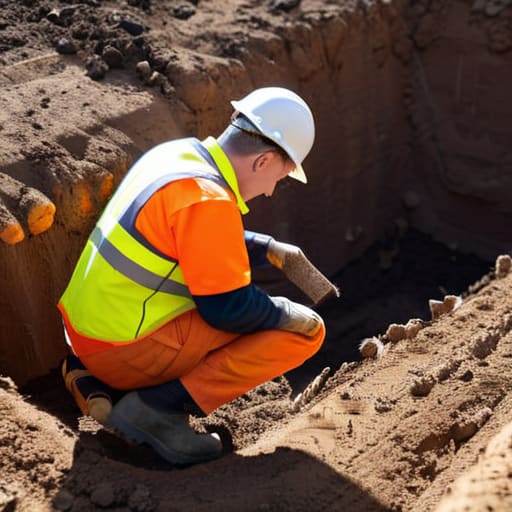
I’ve seen it a dozen times: a developer or a homeowner looks at the price tag of a proper geotechnical engineering report and decides they’d rather save a few hundred quid and “just guess” based on what the neighbor did. That’s a fool’s errand. You aren’t just digging a hole; you’re trying to find a stable platform. Without a proper soil composition analysis, you’re flying blind. You might think you’re sitting on solid clay, but you could be hovering over a pocket of peat or loose fill that’ll swallow your footings whole the moment the weight of the bricks hits it.
It isn’t just about what’s under the slab, either. You have to account for the invisible stuff, like the frost line depth calculation. If you’re pouring shallow in a cold climate because you wanted to save on excavation, that water in the soil is going to freeze, expand, and heave your entire structure upward like a Jack-in-the-box. They’ll tell you the concrete is cracking, but I’ll tell you the ground is moving. You can’t fight physics with a thicker slab; you have to respect the soil bearing capacity before the first shovel even hits the dirt.
Soil Bearing Capacity the Truth Hidden Beneath the Surface
Now, everyone loves to talk about the weight of the bricks or the timber frames sitting on top, but they forget that the ground has to actually hold it. This is where soil bearing capacity comes into play, and it’s where most of my former customers end up calling me to complain about cracks. You can follow the structural load requirements to the letter, but if you’re sitting a heavy slab on top of loose, silty clay that’s more water than earth, that concrete is going to migrate. It’s not a matter of if it moves, but when.
I’ve seen lads try to save a few quid by ignoring a proper soil composition analysis, thinking they can just compact a bit of hardcore and call it a day. That’s a fool’s errand. If the ground underneath doesn’t have the strength to support the weight, you aren’t building a foundation; you’re just building a very expensive way to sink into the dirt. You have to know exactly what you’re working with before you even think about calling the mixer, because foundation settlement prevention starts with understanding the dirt, not the slab.
Five Things You Need to Check Before You Even Think About Ordering the Mix
- Stop looking at the surface. I’ve seen lads plan a depth based on the grass or the top layer of gravel, but that’s just dressing. You need to dig a trial hole and see what’s actually underneath. If you’re sitting on a layer of peat or soft clay disguised by a bit of hardcore, your depth calculation is worth less than a wet bag of cement.
- Respect the frost line. If you’re in an area where the ground freezes, you can’t just guess the depth. If that frost gets under your footing, it’ll heave that slab right up like a piece of toast out of a toaster. You dig deep enough to get well below where the water in the soil turns to ice, or you’ll be back here in two years fixing cracks.
- Watch the water, not just the soil. If you’ve got a site that sits in a natural dip or has a high water table, your foundation depth has to account for that. Water moving under a slab is a death sentence for a foundation. You need to know if you’re building on solid ground or a sponge that’s going to shift every time it rains.
- Account for the “overburden.” You can’t just measure from the finished floor level and call it a day. You have to calculate the weight of everything sitting on top of that foundation—the walls, the roof, the snow, even the heavy machinery if it’s a commercial job. If the weight of the structure is more than the soil can handle at your chosen depth, you’re asking for a sinkhole.
- Don’t let the neighbors’ builds fool you. I’ve had guys tell me, “The house next door only went down two feet, so why can’t I?” That’s the fastest way to go bust. You don’t know what they did under their floor, and you don’t know if they’re about to have a structural failure. Your depth is decided by your ground and your load, not what the bloke next door did ten years ago.
Stop Guessing and Start Digging
At the end of the day, deciding on your foundation depth isn’t about following a generic rule of thumb or picking a number out of a hat to keep the budget low. It’s about respecting what’s actually under your boots. You’ve got to account for the soil type, the water table, and the load you’re putting on top, but none of that matters if you ignore the geotechnical reality of the site. If you skip the reports or try to eyeball the bearing capacity, you aren’t saving money—you’re just pre-ordering a structural failure that’ll show up as a crack in your floor or a leaning wall in a few years’ time.
I’ve seen enough slabs heave and foundations sink to know that the most expensive way to build is to do it cheap the first time. Don’t let a site manager or a nervous client talk you into cutting corners on the sub-surface work just to get the trucks moving faster. If you take the time to get the depth right and the ground prepared properly, you can sleep soundly knowing that what you’ve built is actually permanent. Build it once, build it deep, and build it to last—because the ground doesn’t care about your schedule, it only cares about the truth.
Frequently Asked Questions
If the soil report says the ground is stable, can I still get away with a shallower pour to save on material costs?
Listen, I’ve heard that exact question more times than I’ve had hot dinners. You’re looking at the bottom line, but you’re forgetting that a soil report is just a snapshot in time. It says what’s there now, not what happens when the frost hits or the water table shifts. You try to shave six inches off a pour to save a few quid on the mix, and you’ll end up paying triple to jackhammer out a cracked slab in two years. Don’t be that guy.
How do I know if the frost line in my specific area is actually deep enough to prevent my footings from heaving in the winter?
Look, you can’t just guess based on what the bloke next door did. If you’re sitting on clay, that frost can bite much deeper than you’d think. Don’t trust a generic map. You need to check your local building regs, but more importantly, look at your specific soil type. If you’ve got expansive soil, you’d better dig that footing deeper than the local frost line just to be safe. Better a deep hole now than a cracked slab in February.
When does a bit of soft ground turn from a minor problem into a reason to call in a structural engineer instead of just digging a bit deeper?
If you dig a spade in and it feels like you’re pushing through wet sponge or thick porridge, stop. If that soft patch doesn’t end as soon as you hit a solid, consistent layer of sub-base or natural ground, you’ve got a problem. You can’t just “dig a bit deeper” if you’re chasing a bottomless pit of muck. When the ground won’t firm up, that’s when you call the engineer; otherwise, you’re just burying money in a swamp.