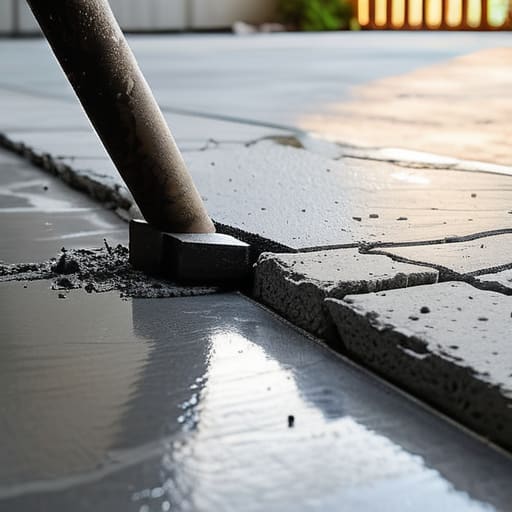
I remember standing on a site in ’94, watching a lad pour a beautiful, smooth slab of high-spec concrete over what looked like decent soil. He was proud of his finish, but I could see the soft, dark clay weeping just beneath the edge of his shuttering. I told him then what I’ll tell you now: you can spend a fortune on the prettiest stones or the most expensive mix, but if you don’t understand how ground conditions affect paving, you’re just throwing money into a hole. People think the “paving” starts when the stone hits the sand, but they’re dead wrong; the real work is done in the dirt long before the first truck arrives.
I’m not here to sell you on fancy additives or overpriced decorative finishes that won’t last a season. I’m going to tell you the truth about what happens under the surface—the stuff nobody bothers to photograph because it’s not glamorous. I’ll show you how to spot a bad sub-base, how to handle different soil types, and why the hour before you pour is the most important part of the job. If you want the honest truth about building something that actually stays put, you’re in the right place.
Table of Contents
The Invisible War for Subgrade Stability for Paving
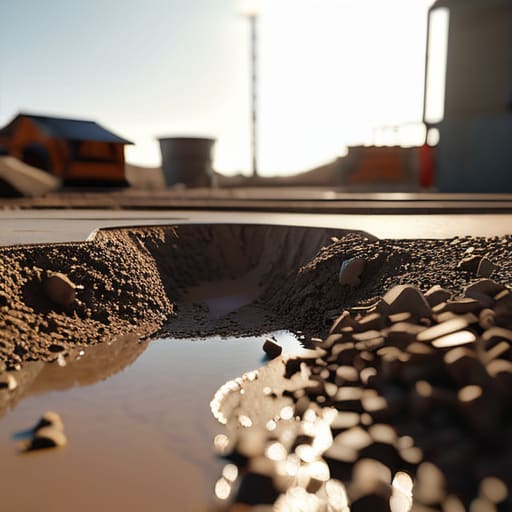
You can pour the best mix in the world, but if you don’t respect the dirt underneath it, that slab is going to crack before the first frost hits. I’ve seen it a thousand times: a lad gets a clean delivery, a fresh set of screed rails, and a crew ready to go, but he hasn’t spent a single thought on the load bearing capacity of soil sitting beneath his feet. It’s an invisible war. You think you’re building a driveway, but you’re actually fighting against the natural tendency of the earth to shift, swell, and settle the moment it gets a bit of moisture in it.
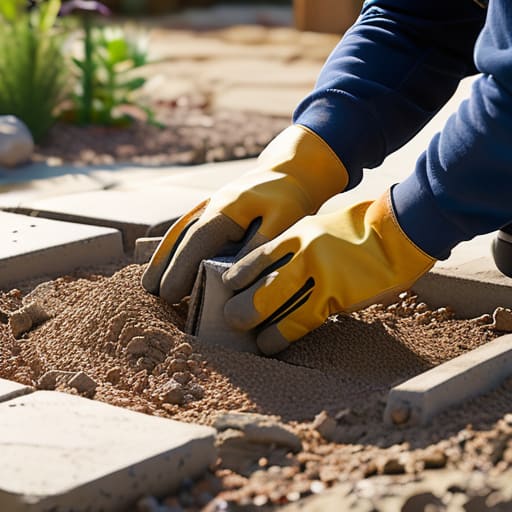
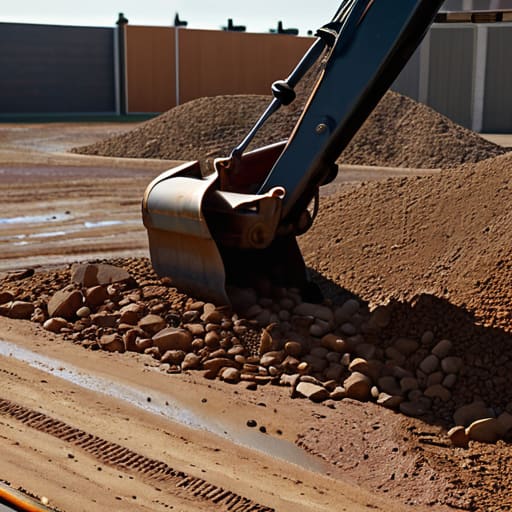
If you’re just throwing MOT Type 1 over loose, uncompacted clay and hoping for the best, you’ve already lost. You need proper soil compaction techniques—and I mean real, methodical work, not just driving a mini-digger over it once and calling it a day. If the subgrade isn’t solid, no amount of high-strength concrete is going to stop the ground from moving. You either do the prep work to ensure subgrade stability for paving, or you just prepare yourself to be called back in twelve months to fix a sunken mess.
Why Load Bearing Capacity of Soil Dictates Your Future
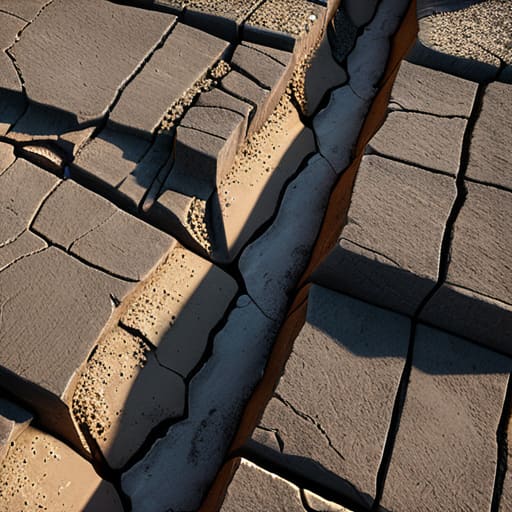
You can talk all day about the thickness of your slabs or the grade of your stone, but if you haven’t accounted for the load bearing capacity of soil, you’re just building a very expensive way to sink into the mud. I’ve seen it a hundred times: a lad finishes a beautiful driveway, looks at it with pride, and six months later, the whole thing has dipped like a bruised peach. It isn’t because the concrete was weak; it’s because the ground beneath it couldn’t hold the weight.
Soil isn’t just “dirt”—it’s a living, moving thing. Depending on whether you’re dealing with heavy clay that holds water like a sponge or loose sand that shifts under a heavy footfall, your approach has to change. You can’t just throw some hardcore down and hope for the best. You need proper soil compaction techniques to ensure that every layer is tight and unyielding. If you don’t get that density right from the start, you aren’t paving a surface; you’re just laying a lid on a problem that’s going to pop up eventually.
Five Ways You’re Setting Yourself Up for a Cracked Slab
- Stop treating the sub-base like an afterthought; if you haven’t compacted your MOT Type 1 in layers until it’s solid as a rock, you’re just building a very expensive way to sink into the mud.
- Watch the water, not just the mix; if you’re pouring on ground that’s already saturated or hasn’t had a chance to drain, that moisture is going to migrate up and heave your paving the moment the seasons shift.
- Don’t trust a “firm” surface just because it looks flat; I’ve seen plenty of lads skip the penetrometer or the probe because they were in a rush, only to find out they were building on top of a sponge.
- Get your compaction right before the truck even pulls up; if you haven’t run a heavy vibrating plate over your sub-base until the sound changes, you might as well be pouring your concrete into a bowl of porridge.
- Mind the organic matter; if you see roots, peat, or even just a bit of topsoil peeking through your sub-grade, get it out and replace it with proper aggregate, or that ground will rot away and leave your paving hanging in mid-air.
Don't Blame the Mix
At the end of the day, you can spend your entire budget on the highest grade of paving stones or the most expensive concrete mix on the delivery ticket, but it won’t save you if you’ve ignored the ground. We’ve talked about why the subgrade needs to be rock-solid, why the load-bearing capacity isn’t just a suggestion, and why moisture management is the difference between a flat surface and a tripping hazard. If you skip the compaction or try to build on top of soft, unmanaged silt, you aren’t building a driveway—you’re just laying a future crack in the dirt. You have to respect the physics of what’s happening beneath your boots before you even think about the finish.
I’ve seen too many lads try to make up for a poor sub-base by adding more cement or thicker slabs, thinking they can outsmart the earth. You can’t. The ground always wins in the end. My advice is simple: do the hard, dirty, unglamorous work of getting the foundation right the first time. If you take the time to prep the sub-base properly, you might not get a fancy photo for your social media, but you will get a paving job that actually lasts long after the contractors have moved on to the next site. Do it right, or don’t bother doing it at all.
Frequently Asked Questions
If my soil is heavy clay, am I better off digging out and replacing it or just trying to compact what's there?
If you’ve got heavy clay, don’t even think about just compacting it. You can run a plate compactor until you’re blue in the face, but clay is a living thing—it swells when it’s wet and shrinks when it’s dry. It’ll move, and when it moves, your paving goes with it. Dig it out. Get rid of that muck and bring in a proper, clean sub-base. You’re building a foundation, not playing in a garden.
How can I tell if my sub-base is actually compacted enough before the first load of stone goes down?
Look, you can’t just eye it and hope for the best. If you want to know if you’ve done the job right, get a heavy-duty tamper or a plate compactor and run it over. If the ground feels “spongy” or you see the machine bouncing, you’ve failed. I always tell my lads: if you can leave a footprint in it with a work boot, it’s not ready for stone. Get it tight, or don’t bother.
Is it worth spending the extra money on a geotextile membrane, or is that just something salesmen use to pad the invoice?
Listen, I’ve seen enough “cheap” jobs turn into a nightmare of sinking slabs to know the truth. A salesman might use it to pad a quote, but a proper geotextile isn’t about padding—it’s about separation. If you’re laying stone over soft ground without it, that expensive sub-base is just going to sink into the muck over time. You’ll end up with a wavy mess, and no amount of screeding will fix it. Spend the money.