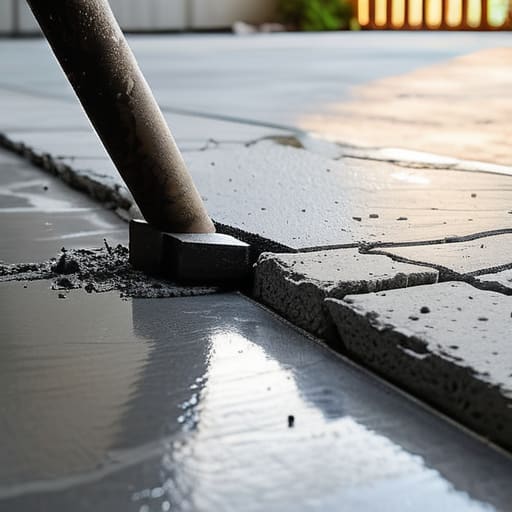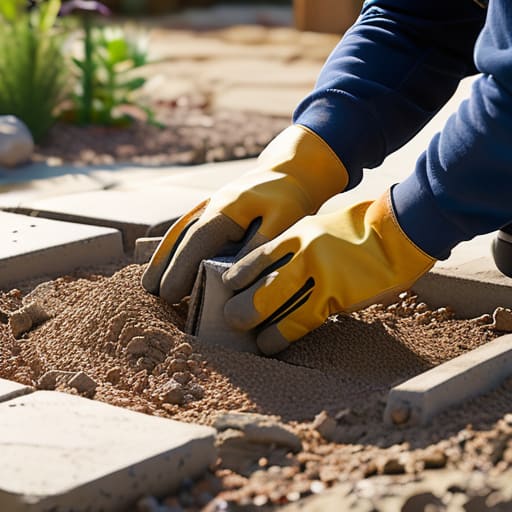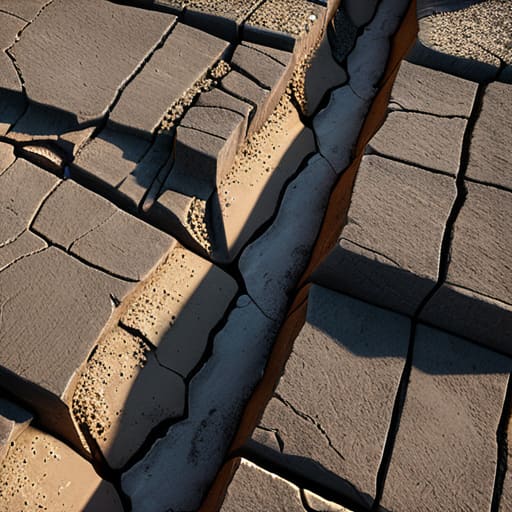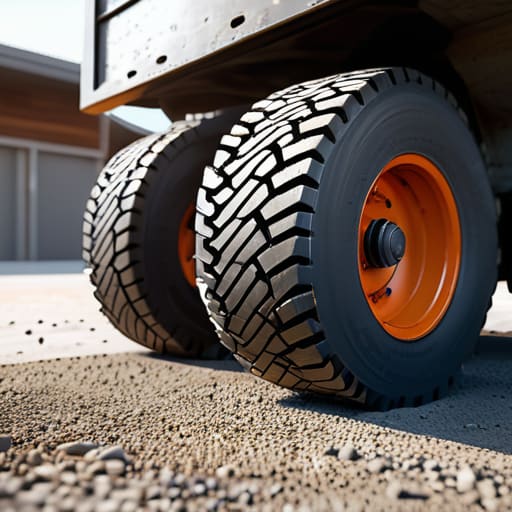
I was standing on a job site in late November, watching a lad try to convince a homeowner that they needed a massive, expensive increase in depth just to “make it stronger.” He was talking about more inches like they were a magic cure for a bad foundation. It’s the same nonsense I hear every week: people think how driveway thickness is decided is just a matter of slapping down more mud to fix a problem. Let me tell you, you can pour a foot of concrete if you want, but if that sub-base is soft or your compaction is rubbish, you’re just throwing money into a hole that’s going to crack anyway.
I’m not here to sell you on extra depth just to pad a quote. I’ve spent forty-three years watching slabs fail, and most of the time, it had nothing to do with the thickness and everything to do with what happened before the truck arrived. In this post, I’m going to strip away the jargon and tell you how we actually calculate those measurements based on what’s sitting under the surface. I’ll give you the straight truth on what matters, what’s a waste of your cash, and why the real decision happens long before the first shovel hits the dirt.
Table of Contents
Soil Bearing Capacity the Invisible Foundation of Pavement Structural Desig
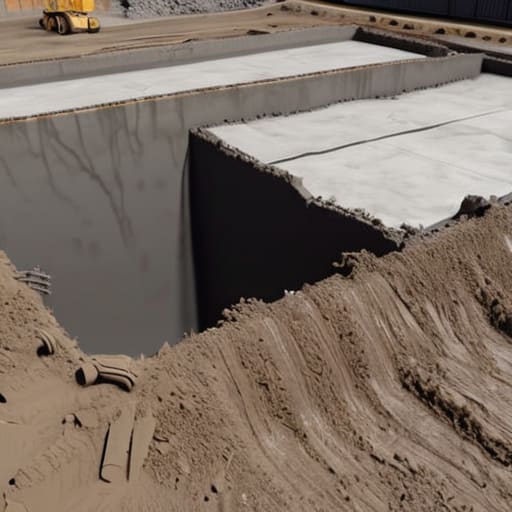
You can talk all day about concrete slab depth requirements, but if you’re pouring over a patch of soft, organic silt or uncompacted clay, you’re just wasting money. I’ve seen lads try to compensate for poor ground by adding two extra inches to the mix, thinking more concrete equals more strength. It doesn’t. It just means you’ve built a heavier slab that’s going to sink even faster when the first heavy vehicle rolls over it.
The real secret to pavement structural design isn’t the top layer; it’s how that ground handles the weight. You need to know your soil bearing capacity before you even think about calling the ready-mix plant. If that subgrade hasn’t been tested or at least properly stripped of the topsoil and replaced with something stable, you aren’t building a driveway—you’re building a future crack in the pavement. I don’t care how much you pay for the high-spec mix; if the dirt underneath is moving, the slab is moving with it.
Why Concrete Slab Depth Requirements Mean Nothing Without Sub Base Integrit
I’ve seen it a thousand times: a lad gets a quote for a massive six-inch pour, thinks he’s bought himself a lifetime of trouble-free driving, and then wonders why the whole thing is buckling after one winter. He’s focused entirely on the concrete slab depth requirements like they’re some kind of magic shield. But here’s the truth—that slab is only as strong as the rubbish it’s sitting on. If you’ve laid your hardcore over soft, uncompacted clay or haven’t even bothered to check the moisture content of your sub-grade, you aren’t building a driveway; you’re just building a very expensive, very heavy crust that’s going to snap.
When we talk about pavement structural design, the slab is really just the finishing layer of a much deeper sandwich. The real work is done by the layers underneath, spreading that weight out so the ground doesn’t give way. If your sub-base isn’t dense and well-graded, it won’t handle the heavy vehicle load distribution when a delivery truck or even a heavy SUV rolls over it. You can pour the thickest slab in the county, but if the foundation underneath shifts even a fraction of an inch, that concrete is going to find its breaking point.
Five Things That Actually Determine Your Slab Depth (And They Aren't Just a Number)
- Stop looking at the truck and start looking at the wheels. If you’re planning on parking a heavy 4×4 or a delivery van on that driveway, a standard four-inch pour is a joke; you need to calculate for the actual point loads, not just the weight of a family hatchback.
- The “Water Test” is your best friend. Before you even think about deciding on a thickness, get out there and see how the ground reacts to a heavy soak. If you’ve got clay that holds water like a bucket, you’re going to need a thicker slab or a much beefier sub-base to compensate for that movement.
- Watch the weather like a hawk. If you’re pouring in the middle of a heatwave, that concrete is going to want to shrink and crack faster than you can screed it, so you might need to bump up the depth or, more importantly, get your curing compound ready immediately.
- Don’t let a lad with a hose “help” you. I’ve seen more slabs fail because someone added water to the mix to make it easier to spread than because of the thickness itself. If you thin out the mix to make it workable, you’re effectively reducing your structural strength, no matter what the spec sheet says.
- Plan your joints before the first shovel hits the dirt. You can pour a slab six inches thick, but if you haven’t mapped out exactly where those control joints are going to go, the ground will find its own way to crack the concrete, and it won’t be where you want it.
The Bottom Line
At the end of the day, if you’re sitting there staring at a spec sheet trying to decide between four and six inches of concrete, you’re looking at the wrong numbers. You can pour the thickest, most expensive slab in the county, but if you haven’t spent the time compacting your sub-base or testing that soil, you’re just throwing money into a hole. Thickness is just the skin; the sub-base is the bone. Once you understand that the depth of your pour is entirely dependent on the strength of what lies beneath it, you stop guessing and start building something that actually lasts.
I’ve spent forty-three years watching men try to cut corners by adding water to a mix or skipping a layer of MOT Type 1 because they were “running behind schedule.” Those shortcuts always come back to haunt them in the form of cracks and sinking slabs. My advice? Don’t get distracted by the surface. If you get the ground right, the concrete will do its job without you having to babysit it. Do it right the first time, respect the sequence, and you won’t be the one getting a phone call in three years telling me your driveway is falling apart.
Frequently Asked Questions
If I’m parking a heavy SUV or a van on it, does that mean I need to go thicker, or is it more about how much I compact the hardcore first?
Listen, if you’re parking a heavy van on it, you can pour twelve inches of concrete, but if that hardcore underneath is loose, you’re still going to end up with a cracked slab. It’s not just about adding more mix; it’s about the compaction. You need to get that sub-base rock-solid and tightly packed so the weight spreads out. A well-compacted four-inch slab beats a lazy six-inch slab every single day of the week.
Does the type of concrete mix I order actually matter more than the depth of the slab itself?
Listen, you’re asking the wrong question. It’s not an “either-or” situation, but if you’re looking for the real culprit, it’s the mix. You can pour a six-inch slab of high-spec C35, but if some lad on site adds a bucket of water to make it “flow better,” you’ve just ruined the water-to-cement ratio and invited shrinkage cracks. A thick slab of weak, watered-down muck is just a very expensive way to build a cracked driveway.
How do I know if the sub-base I've laid is actually solid enough to support the thickness I've planned?
You don’t guess; you test. If you’re standing there wondering, you’ve already lost the battle. Grab a heavy tamper or a piece of heavy machinery and drive it over the base. If you see any deflection—any sort of “give” or bounce—your sub-base is a sponge, and it doesn’t matter if you pour six inches or twelve, it’ll fail. I always look for a rock-hard, compacted surface that doesn’t budge under pressure.