
I remember standing on a site in the Midlands back in ’94, watching a lad try to “simplify” a drainage layout by crossing lines that should never have met. The smell of that botched connection stayed with me longer than the rain did. People love to get bogged down in expensive, over-engineered diagrams and fancy software, but they miss the basic reality of how foul and surface water separate in the actual trenches. You don’t need a degree to see that if you mix your greywater with your runoff, you aren’t just wasting money—you’re building a ticking time bomb that’ll eventually back up into someone’s kitchen or choke a local stream.
I’m not here to give you a lecture from a textbook or sell you on some high-tech gadget that’ll break in two years. I’m going to tell you exactly how it works from the perspective of someone who has spent forty-three years staring at pipes and bedding. We’ll skip the fluff and focus on the practical reality of keeping those flows apart, from the initial gradient to the final connection. If you want to know why a system actually stays dry and functional, you need to listen to what’s happening below the surface.
Table of Contents
Combined Sewer Overflows vs Separate Systems the Fatal Error
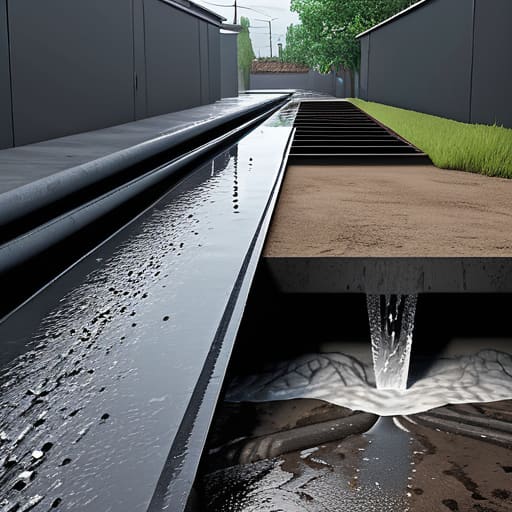
Now, here is where most site managers and developers start tripping over their own feet. You’ve got two ways to play this: you go with the old-school combined setup, or you stick to the modern way with separate lines. In the old days, they’d just throw everything into one big pipe—rainwater and sewage together. But when you’re looking at combined sewer overflows vs separate systems today, that old way is a recipe for disaster. If a heavy downpour hits a combined system, the capacity gets overwhelmed instantly, and you end up with a massive mess being dumped straight into the local river.
I’ve seen it a dozen times on newer builds where the sewerage system design principles were ignored just to save a few quid on trenching. They’ll cross-connect a surface run into a foul line, thinking nobody will notice. They’re wrong. It’s not just a paperwork error; it’s a fundamental failure of the site. Once you’ve contaminated that line, you’re not just managing water anymore—you’re managing a toxic sludge that the local treatment plant isn’t prepared to handle. If you don’t get the split right from the start, you aren’t just building a driveway; you’re building a liability.
Stormwater Drainage Infrastructure Where the Real Work Begins
Now, everyone loves to talk about the pipes once they’re in the ground, but they rarely talk about the actual stormwater drainage infrastructure that has to handle the brunt of a heavy downpour. You can have the best concrete in the world, but if your gradient is off by even a fraction, or if your soakaways are choked with silt because the site wasn’t prepared, you’re just building a very expensive, very permanent pond. I’ve seen lads try to rush the installation of attenuation tanks, thinking they can just shim them into place, but if that bedding isn’t spot on, the whole system shifts, and suddenly your runoff isn’t going where it’s supposed to.
The real headache comes when you look at the urban runoff management side of things. It isn’t just about moving water from A to B; it’s about managing the velocity and the volume so you don’t blow out your connections downstream. If you haven’t planned for the peak flow, you’re essentially designing a failure. You have to respect the capacity of the system before the first storm hits, otherwise, you’ll be back on site in two years fixing a collapsed pipe that should have been set right the first time.
Five Ways You’ll Mess Up the Separation Before the Pipes Are Even Laid
- Don’t trust the site drawings blindly. I’ve seen plenty of a lad follow a plan straight into a disaster because he didn’t bother to check if the existing manhole was a combined system or a separate one. You check the connections yourself, or you’ll be pumping sewage into your storm drains by Tuesday.
- Watch your gradients like a hawk. If you let your surface water run too slow because you were being lazy with the levels, you’re going to get silt buildup. Once that happens, your “separate” system is effectively blocked, and you’ll be dealing with standing water that nobody wants.
- Mind the interceptors. If you’re running surface water off a driveway or a yard, you better have a proper interceptor in place to catch the oils and grit. If you just pipe everything straight to the soakaway or the main storm line, you’re essentially turning your drainage system into a filter for filth, and it won’t last a season.
- Stop treating the sub-base like an afterthought. Even with perfect pipes, if your trenches aren’t bedded in the right material, the ground will shift. A shifted pipe is a broken seal, and a broken seal means your foul water is leaking into your surface water run, making the whole job a stinking mess.
- Get your manholes right, and I mean the actual chambers. If you’re using cheap, flimsy pre-cast units that aren’t properly sealed, you’ll get cross-contamination through the ground. It doesn’t matter how separate your pipes are if the water is migrating between them through a poorly constructed chamber.
The Bottom Line Before the Pour
At the end of the day, separating your foul and surface water isn’t some academic exercise for engineers to argue about over coffee; it’s the difference between a site that works and a site that’s a liability. If you let those lines get muddled—whether it’s through a poorly planned layout or a shortcut taken during the trenching—you aren’t just risking a bit of standing water. You’re inviting a total system failure that’ll end up in a regulatory nightmare or, worse, backing up right where people live. You’ve got to respect the distinction between the stuff that goes down the drain and the stuff that falls from the sky. If the infrastructure isn’t distinct from the jump, you’re just burying a ticking time bomb under your sub-base.
I’ve seen too many lads try to save a few hours by treating drainage like an afterthought, but the ground doesn’t care about your schedule. It only cares about the physics of how water moves. Do the job right, follow the separation, and ensure your pipes are exactly where they ought to be before you even think about calling for the concrete. When you get the groundwork right, the rest of the build follows suit. Build it to last, build it to flow, and you won’t be the one getting the phone call ten years down the line when the ground starts turning into a swamp.
Frequently Asked Questions
If I’ve already poured the slab and realized the drainage is all running into one pipe, is there any way to fix it without tearing the whole thing up?
You’re asking me if there’s a magic trick to fix a mistake that’s already buried under a slab? No. If you’ve poured and realised you’ve got a combined system where you needed separate runs, you’ve already lost. You can try to patch it with some fancy diversion valves or secondary soakaways, but you’re just slapping a plaster on a broken leg. If the pipes are wrong, the slab’s wrong. You’ll be ripping it up eventually.
How much does the actual sub-base compaction affect whether surface water ends up where it shouldn't?
Listen, if your sub-base isn’t compacted properly, you’re basically building a sponge, not a foundation. Poor compaction leads to uneven settling and depressions. Once that ground shifts, you get puddles and pooling. If those depressions sit near your surface water inlets, they’ll trap silt and debris, choking your system. Or worse, if the ground settles unevenly near a connection point, you can end up with a structural shift that forces water into places it was never meant to go.
Can you actually tell the difference between a foul water leak and a surface water issue just by looking at the ground around the pipes?
Look, I’ve seen it a hundred times. If you’ve got a surface water issue, you’ll see localized pooling or damp patches that clear up once the rain stops. But a foul leak? That’s a different beast. You aren’t just looking for water; you’re looking for the tell-tale signs—the smell, the sludge, or that specific way the ground stays soft and “mushy” even in a dry spell. If the ground’s stinking, you’ve got a foul problem.