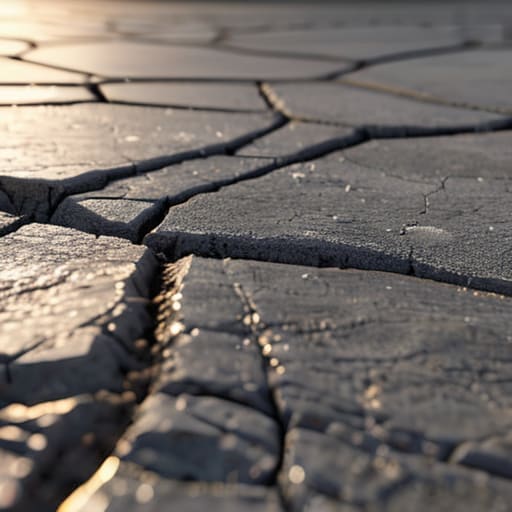
I remember standing on a driveway in North Yorkshire back in ’98, watching a lad pour a beautiful, wet slab under a deceptively bright sun. He thought he was doing a grand job, but within twenty minutes, the surface started looking like a dried-up riverbed. He kept blaming the mix design and calling the plant to complain about the aggregate, but he was dead wrong. He didn’t understand how plastic shrinkage cracking happens; he just thought the concrete was “bad.” The truth is, the concrete was fine—it was the wind and the heat stealing the moisture right off the top before the paste could even find its feet.
I’m not here to give you a lecture filled with textbook jargon or expensive chemical solutions that won’t save a botched job. I’m going to tell you exactly what I’ve learned from forty-three years of watching slabs fail when the weather turns against you. We’re going to look at the real culprits—the evaporation rates, the wind, and the mistakes made in that critical window before the set. If you want to know the truth about why your surface is splitting, you’ve come to the right place.
Table of Contents
Surface Moisture Loss the Silent Killer of Fresh Pours
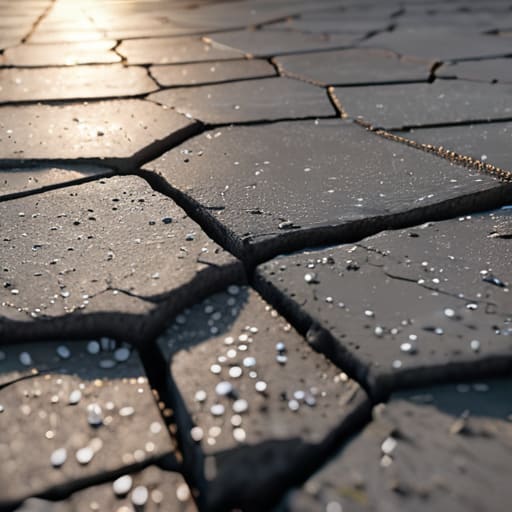
You can have the best mix design money can buy, but if you aren’t watching the sky, you’re just throwing money into a crack. People think once the truck is empty, the hard work is over. That’s rubbish. The real battle starts when the surface is exposed to the air. If you’ve got a bit of a breeze kicking up or the sun is beating down, you’re facing massive surface moisture loss. It’s a race between the concrete setting and the water evaporating off the top. If that water leaves too fast, the surface shrinks while the stuff underneath is still a liquid soup, and that’s when you get those nasty, shallow cracks.
It isn’t just about the heat, either. I’ve seen slabs ruined on breezy, overcast days because the relative humidity and concrete interaction was all wrong. If the air is dry and moving, it’ll suck the life out of your slab before you can even get a trowel near it. You have to respect the concreting environmental conditions; if the wind is howling and the air is thirsty, you’d better have your curing measures ready to go the second that screed is down.
Relative Humidity and Concrete Fighting the Air Itself
You can have the best mix design in the world, but if the air is sucking the life out of your slab, you’re fighting a losing battle. I’ve stood on sites where the thermometer said one thing, but the air felt like a furnace, and that’s when you really have to watch the relative humidity and concrete relationship. When the air is bone-dry, it acts like a sponge, pulling moisture straight out of the paste before the hydration even gets a foothold. It doesn’t matter how much you’ve balanced your water-cement ratio; if the atmosphere is thirsty, it’ll take what it wants.
It’s not just about heat, either. I’ve seen lads get caught out on breezy, overcast days where the humidity was low and the wind was steady. That wind creates a constant sweep that accelerates surface moisture loss faster than most men realize. You think you’ve got time, but the air is stripping that top layer dry while the bottom is still soft as porridge. If you aren’t monitoring those concreting environmental conditions from the moment the truck arrives, you aren’t managing a pour—you’re just waiting for the cracks to show.
Five Ways to Stop Your Slab from Cracking Before It’s Even Set
- Stop letting the lads play with the water truck. I’ve seen it a thousand times—the mix looks a bit stiff, so someone splashes a few buckets of water on top to make it spread easier. You aren’t making it better; you’re just diluting the cement and making the surface even more prone to drying out and snapping.
- Watch the wind, not just the sun. You can be working in the shade or on a cloudy day and still lose the battle. A steady breeze pulls the moisture right out of the surface like a vacuum. If the wind is picking up, you need to be thinking about windbreaks or getting your curing compound ready before you even signal the driver.
- Don’t neglect the sub-base moisture. If you’re pouring onto a bone-dry, thirsty sub-base, that ground is going to suck the life out of your mix from the bottom up. You want that base damp, not soaking, so it doesn’t steal the water your concrete needs to stay stable while it’s setting.
- Get your timing right with the finishing. If you’re over-working the surface with a power float too early, you’re just bringing the “fines” to the top and creating a weak, dusty layer that has no structural integrity. You have to wait for the bleed water to disappear; if you try to outrun the evaporation, you’ll just end up with a mess.
- Have your curing plan ready before the first chute opens. You shouldn’t be looking for the plastic sheeting or the curing agent while the concrete is sitting there under a hot sun. If you aren’t ready to seal that surface the moment it’s workable, you’ve already lost the race against the air.
The Bottom Line on Shrinkage
At the end of the day, you have to stop looking at the concrete as some magical substance that does the work for you. It’s a living, breathing thing that’s constantly fighting to find its balance. If you ignore the wind, forget about the humidity, or let the surface dry out faster than the bleed water can rise, you’ve already lost. You can buy the most expensive, high-spec mix in the country, but it won’t save you if you don’t respect the environmental reality on site. Shrinkage cracking isn’t a mystery; it’s the direct result of losing the race against evaporation before the mix has even had a chance to settle.
My advice to the younger lads is this: stop worrying so much about the truck and start watching the sky. A good groundworker knows that the real job begins when the weather turns or the wind picks up. If you take the time to manage your curing, protect your surface, and respect the conditions, you’ll be the one people call to fix the cracks, not the one they call to repair the mess. Do it right the first time, focus on the details that nobody else bothers to photograph, and you’ll build things that actually last.
Frequently Asked Questions
If the weather is decent and the sub-base is solid, why am I still seeing these spiderweb cracks appearing right after I've finished the screed?
If your sub-base is solid and the sky is clear, you’re likely losing the battle to evaporation. Those spiderwebs happen because the surface is drying out faster than the bleed water can rise to replace it. It’s a race you’re losing. Even if it feels “decent” to you, a bit of wind or a slight drop in humidity can suck the life out of that top layer before it’s even had a chance to set.
I've seen lads adding extra water to the mix when it's a hot day to make it easier to spread—is that actually making the cracking worse?
It’s making it worse. It’s making it a disaster. I’ve seen it a thousand times: some lad thinks he’s doing everyone a favour by adding a hoseful of water to make the mix “slumpier” and easier to spread in the heat. All he’s doing is diluting the cement and opening the door for even faster evaporation. You’re essentially watering down your strength and inviting those cracks to rip right through the surface. Don’t do it.
At what point do I stop worrying about the wind and the sun and start looking at whether my curing compound or covers are actually doing their job?
You stop worrying about the sky and start looking at your gear the moment the surface starts looking “thirsty.” If you see that dull, matte finish creeping in while the bulk of the slab is still creamy, your protection has already failed. Don’t wait for the cracks to show up. If your spray isn’t uniform or your polythene is flapping in the breeze, you’re just watching your profit evaporate. Check your covers before the sun does.