I remember standing on a site in the pouring rain back in ’94, watching a lad try to strip the shuttering off a heavy lintel just because the site manager was breathing down his neck about the schedule. He didn’t care about the chemistry; he just wanted to get home. That’s the problem with this trade lately—everyone thinks there’s a magic number in a textbook that tells you how striking times are decided, but a piece of paper doesn’t know if the air is damp or if the mix was watered down by a driver trying to make it flow easier. If you pull those forms based on a timer rather than the actual state of the concrete, you aren’t just rushing; you’re building a disaster.
I’m not here to give you a lecture full of academic jargon or tell you to consult a laboratory for every minor pour. I’ve spent forty-three years watching concrete set, fail, and occasionally do exactly what it was supposed to do when you give it respect. I’m going to tell you how it really works on the ground—how you use your eyes, your hands, and your gut to know when it’s safe to move. We’re going to talk about the real-world variables that actually matter, so you can strip your forms with confidence instead of just hoping for the best.
Table of Contents
Precision Striking Methods Over Blind Guesswork
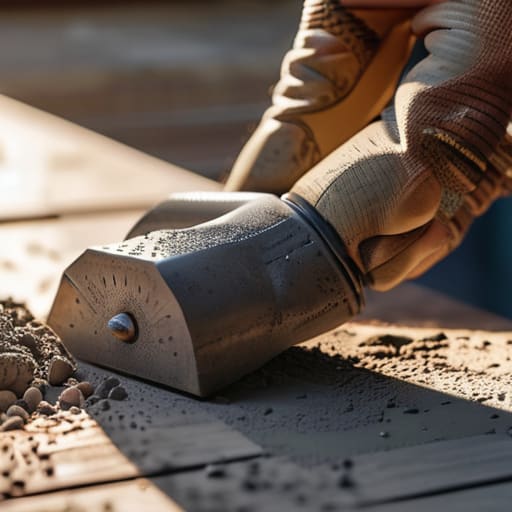
I’ve seen too many lads standing around a slab, staring at it like it’s supposed to tell them its secrets, before they just start hammering away. That’s not a plan; that’s a gamble. If you’re relying on a gut feeling or a stopwatch, you’re asking for trouble. Real professionals don’t just guess; they use precision striking methods that actually respect the chemistry of the pour. You need to know exactly what you’re dealing with before you even think about touching those forms.
If you’re working on something structural, you can’t just wing the mechanical impact parameters. I’ve seen guys treat a high-strength mix the same way they treat a standard driveway pour, and that’s how you end up with blown edges or hairline fractures that spread like a spiderweb. You have to account for the striking velocity and energy applied when you’re clearing the shuttering. If you hit it too hard, too fast, before the core has truly gained its strength, you aren’t just stripping forms—you’re breaking the very thing you just spent twelve hours building.
The Truth Behind Impact Force Calculation
Now, some of the lads will tell you that you just give the formwork a nudge with a hammer and see if it feels “right.” That’s a fast way to end up with a collapsed slab or a ruined finish. If you’re working on anything more serious than a garden path, you need to understand the actual impact force calculation involved when you start stripping those supports. You aren’t just removing wood; you are suddenly shifting the entire load of that mass from the forms back onto the green concrete. If the internal strength hasn’t reached the threshold to handle that sudden transfer, the whole thing will sag or, worse, snap.
I’ve seen too many young fellas try to rush the process because the schedule is tight, ignoring the mechanical impact parameters that dictate how much stress that fresh pour can actually take. It’s not just about the weight of the concrete; it’s about the energy released when those braces come away. You have to account for the way the material reacts to the sudden change in support. If you haven’t respected the math behind the load, you’re essentially gambling with the structural integrity of the entire build.
Five Rules for Not Pulling the Forms Too Early
- Stop trusting the calendar and start trusting the concrete. I don’t care if the spec sheet says forty-eight hours; if the temperature has dropped ten degrees since the pour and the mix is still feeling soft when you poke it, you leave those forms alone. You wait for the set, not the clock.
- Watch your ambient conditions like a hawk. If you’ve had a damp, cold stretch, that hydration process is dragging its feet, and if you strike based on a “standard” timeframe, you’ll be looking at a slumped mess that can’t support its own weight.
- Check the sub-base stability before you even think about stripping. If your ground wasn’t compacted properly—and I’ve seen enough soft spots to know most aren’t—the moment you remove that formwork, the slab is going to shift and crack because it hasn’t found its footing yet.
- Listen to the mix, not the foreman. If you see the lads adding extra water to the truck to make it “flow better” during the pour, you’ve already lost. That extra water weakens the internal structure, meaning you’ll need to wait significantly longer before that concrete has the strength to stand on its own.
- Test the edge strength, not just the middle. A common mistake is checking the center of a slab and thinking you’re golden, but you need to ensure the edges—the parts most reliant on the formwork for support—are actually cured and hard enough to handle the change in pressure.
Don't Let the Clock Cheat You
At the end of the day, deciding when to strip those forms isn’t some math equation you solve on a piece of scrap paper; it’s a combination of knowing your mix, respecting the ambient temperature, and having the sense to listen to the concrete. You’ve looked at the impact force, you’ve checked your strike times, and you’ve understood that the strength isn’t just a number on a delivery ticket—it’s a physical reality that develops in the hours after the pour. If you try to shortcut the curing process or ignore the environmental variables just to get the next job moving, you aren’t being efficient; you’re just setting yourself up for a structural nightmare that you’ll be answering for long after the site is cleared.
I’ve spent forty-three years watching men rush the finish line only to watch their hard work crumble because they couldn’t wait an extra twelve hours for a proper set. My advice to you is simple: treat every pour like it’s the one that’s going to define your reputation. Don’t let the pressure of a schedule override the fundamental laws of chemistry and physics. If you get the sub-base right, respect the curing window, and strike your forms only when the strength is truly there, you won’t just be building slabs—you’ll be building a legacy of work that actually lasts.
Frequently Asked Questions
What do I do if the temperature drops suddenly halfway through the set and I'm worried about stripping the forms too early?
If the temperature drops, the clock doesn’t just slow down—it changes the rules. You can’t trust your usual schedule anymore. If that mix starts getting cold, it’s going to set differently, and you risk a brittle finish if you rush it. Don’t just stare at the thermometer; go over there and give the forms a proper tap. If it feels soft or hollow, leave it alone. Cover it up, keep the heat in, and wait.
How can I tell if the concrete has actually reached its strength just by looking at it, rather than waiting on a lab report?
Look, I’m not a lab technician, and I’m not going to tell you that looking at a slab is a science. But forty years on site teaches you a different kind of science. You don’t just stare at it; you test the resistance. Take a hammer to a corner—not a heavy blow, just a tap. If it rings true and hard, you’re moving in the right direction. If it sounds hollow or “thuddy,” leave it alone. You also check the surface; if it’s lost that wet sheen and feels bone-dry and unyielding to a trowel, it’s gaining grip. But remember, your eyes can lie, and a lab report doesn’t care about your schedule. Don’t get cocky.
If I’m working with a high-slump mix that was watered down on site, how much longer should I be waiting before I even think about touching those forms?
You’ve just made my blood pressure spike. If they’ve been adding water to that mix to make it “runnier,” they haven’t just made it easier to pour; they’ve sabotaged the chemistry. That extra water stays in the mix, weakening the bond and dragging out the set time. You don’t touch those forms based on a schedule anymore. You wait. If I were there, I’d be waiting an extra 24 to 48 hours minimum, and even then, I wouldn’t trust it until I’ve checked the hardness myself.