I remember standing on a site in ’94, watching a lad with a brand-new, expensive-looking signal unit walk right over a high-pressure gas main without so much as a twitch of his sensor. He was looking at the screen, not the ground, and he was about ten seconds away from turning a quiet Tuesday into a local news headline. People think there’s some magic wand that tells you exactly where every pipe and cable is hiding, but the truth about how underground services are located is far less glamorous and a hell of a lot more manual. It isn’t about having the fanciest gadget in the van; it’s about knowing that the maps are often wrong and the machines can lie if you don’t know how to listen to them.
I’m not here to sell you on some high-tech fantasy or bury you in jargon that doesn’t mean a thing when the shovel hits something hard. I’m going to tell you how it actually works on a real site—the digging, the tracing, and the common-sense checks that keep you from blowing a hole in a mains line. We’ll strip away the nonsense and look at the actual methods used to find what’s buried, because if you don’t respect what’s under your boots, you’ve already lost the job.
Table of Contents
Ground Penetrating Radar Technology Seeing Through the Lies of the Soil
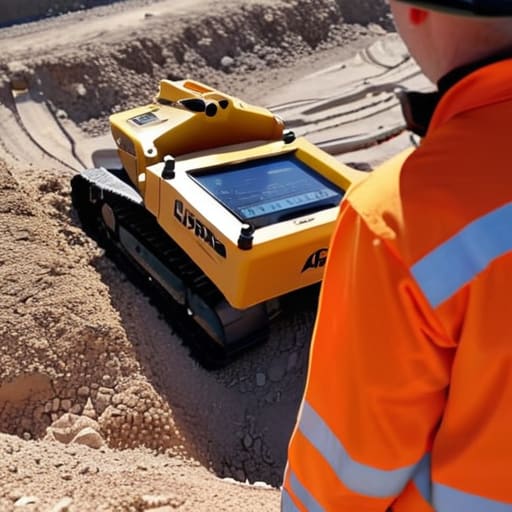
Now, if you’ve seen a lad walking a machine over a site that looks like nothing but solid dirt, he’s likely using ground penetrating radar technology. I’ve seen enough shallow pipes get hit by an excavator because someone relied on a paper map that was twenty years out of date to know what was under their feet. GPR is different; it sends pulses into the earth and listens for the echo. It’s not perfect—it won’t find a plastic pipe if the ground is too wet or the soil is a particular type of heavy clay—but it’s a hell of a lot better than guessing.
The thing about GPR is that it shows you the anomalies, the things that don’t belong in the natural strata. You aren’t just looking for a line on a screen; you’re looking for the shape of a void or the shadow of a conduit. When you combine this with proper subsurface utility engineering, you stop playing a guessing game with your life and your machinery. It’s about seeing the truth of the ground before you ever think about breaking the surface.
Electromagnetic Induction Scanning Finding the Pulse of the Subsurface
Now, if GPR is about seeing the picture, electromagnetic induction scanning is about listening for the heartbeat. You can have all the fancy radar in the world, but if you aren’t checking for the actual electrical pulse of a live line, you’re just guessing. I’ve seen lads rely solely on the visual data from a screen, only to have a shovel hit a high-voltage cable that wasn’t showing up on the radar because the soil was too wet or too dense. You need to use your cable avoidance tools to trace the actual electromagnetic field. It’s about connecting a transmitter to a known point and following that signal like a bloodhound.
This isn’t just some academic exercise in subsurface utility engineering; it’s the difference between a smooth day on site and a call to the emergency services. When you’re using these utility locating methods, you’re looking for the metal and the current. If you’ve got a plastic pipe, the radar might catch the bedding, but the induction scan won’t find a thing because there’s no metal to carry the signal. You have to understand the limits of your gear. If you don’t respect the physics of the scan, the ground will eventually teach you a lesson you won’t forget.
Five Rules for Not Digging Up a Gas Main
- Don’t trust a single method. GPR might miss a plastic pipe that’s gone dead, and EM scanning won’t see a non-conductive clay conduit. If you aren’t using two different ways to find the same service, you aren’t finding it—you’re just guessing.
- Respect the old drawings, but treat them like a drunk’s directions. I’ve seen site plans from the sixties that would make you laugh, but they might still have the general idea of where the main header sits. Use them as a starting point, not a guarantee.
- Watch the ground, not just the screen. If you see a line of disturbed soil, a patch of different colored gravel, or a slight dip in the surface, that’s your real map. The earth remembers where it’s been dug up, even if the utility company forgot.
- Hand dig like your life depends on it. Once you think you’ve found the service, stop the machine. Get a shovel in your hands and clear the spoil by hand. I’ve seen too many lads lose a finger or a pipe because they thought a CAT scanner meant they could go straight in with a JCB.
- Check the depth, not just the location. Finding a cable is one thing; knowing it’s sitting three inches below your intended slab is another. If you don’t know the depth, you haven’t located the service, you’ve just found its general neighbourhood.
Don't Go Digging Until You Know
Look, we’ve gone over the tech—the GPR that tries to peer through the silt and the electromagnetic scanners that hunt for the current. Both have their place, and both are better than nothing, but let’s be clear: no machine is a magic wand. You can have the fanciest equipment on a site, but if the lad running it hasn’t got the sense to cross-reference the scans with the actual site plans or the old paper records, you’re still just guessing in the dark. You’ve got to use every tool in the box, from the high-tech pulses to the simple, old-fashioned manual trial holes, to make sure you aren’t about to shatter a main or hit a live cable that wasn’t even on the map.
At the end of the day, all the gadgets in the world won’t replace a bit of common sense and a healthy dose of respect for what’s under your boots. I’ve seen too many young lads rush a dig because they thought the screen told the whole story, only to end up standing in a hole full of water or staring at a severed fiber line. My advice? Treat the ground like it’s hiding something, because it usually is. If you take the time to locate those services properly before the first bucket hits the dirt, you aren’t just following a procedure—you’re protecting your livelihood and making sure the job actually gets finished.
Frequently Asked Questions
If the radar and the scanner both say the ground is clear, why am I still seeing cables show up on the plans later?
It’s because plans are a memory, not a map. A set of drawings shows where a cable was laid twenty years ago, not where it’s sitting today. Maybe some lad in a trench dug it up and re-buried it three feet to the left, or the ground has shifted. Radar and scanners only find what’s physically there right now; they don’t know what the architect scribbled on a piece of paper in 1998. Trust the scan, but never trust the paper.
Can you actually trust a CAT scan when you're working in heavy clay or near metal fencing?
Listen, you can’t trust a CAT scan blindly, and anyone who tells you otherwise hasn’t spent enough time staring at a broken pipe. In heavy clay, that wet, conductive muck plays havoc with the signal—it’s like trying to hear a whisper in a pub. And if you’re working near metal fencing? Forget about it. That fence acts like a massive antenna, throwing false readings all over your site. You use the tool, but you trust your shovel and your brain.
How much of this locating work is actual science and how much is just a lad with a machine guessing where the pipe might be?
Look, it’s a bit of both, and that’s where the trouble starts. There’s real science in the physics of the signal, but a machine is only as good as the man holding the wand. I’ve seen lads treat a locator like a magic wand, wandering around the site making guesses when the reading is fuzzy. If they aren’t interpreting the data against what they know about the ground, they’re just playing games with your foundations.