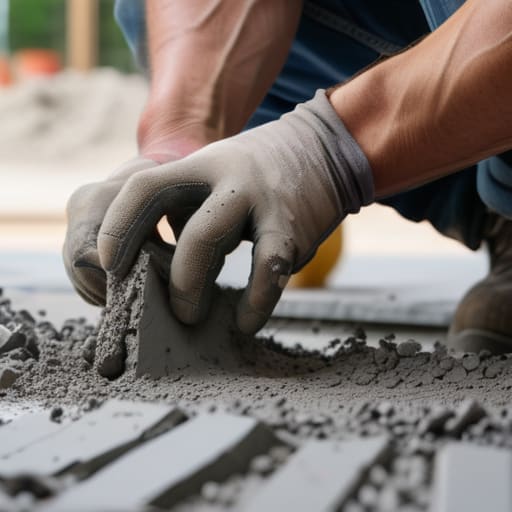
I remember standing on a site in ’94, watching a lad try to fix a slumped slab by dumping a bucket of water into the chute because the mix looked “too stiff.” He thought he was helping, but he was actually watching the heavy aggregate sink straight to the bottom while the watery paste floated to the top. That’s the real story of how segregation happens—it isn’t some complex chemical reaction you need a PhD to understand; it’s usually just someone being lazy or impatient with the physics of the pour. People love to blame the batch plant or the cement grade, but most of the time, it’s just bad handling right in front of your eyes.
I’m not here to give you a lecture from a textbook or sell you on some expensive chemical additive that promises miracles. I’m going to tell you exactly what I learned during forty-three years of pouring foundations and hardstanding: how to spot the signs before the truck even unloads. We’re going to look at the real culprits—the vibration, the slump, and the way you move that material—so you stop wasting money on repairs that were decided before the first shovel hit the ground.
Table of Contents
Granular Material Separation Mechanisms You Cant Ignore

Now, when people talk about segregation, they usually think it’s some mystery that happens once the wet stuff is out of the truck. They’re wrong. Most of the time, the trouble starts before the water even touches the aggregate. If your supplier hasn’t got a proper particle size distribution segregation under control in the hopper, you’re already fighting a losing battle. I’ve seen lads try to fix a “soupy” mix by adding more cement, but you can’t fix a bad ratio of stones to fines once the layers have already started to separate in the drum.
It’s a physics problem, plain and simple. You’ve got heavy coarse aggregate wanting to sink to the bottom and the fine stuff floating to the top, especially if you’ve got too much water in the mix. Then you add mechanical vibration effects on mixtures into the mix—literally. If your boys are over-vibrating a slab because they’re lazy and want it to level out faster, they’re just shaking the heavy stones to the bottom and leaving a weak, watery layer of paste at the surface. You aren’t making it smoother; you’re just building a failure from the inside out.
Bulk Material Handling Issues That Ruin the Mix
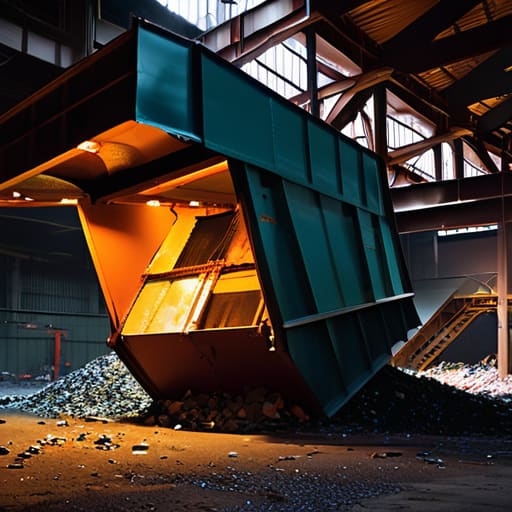
Now, you can have the best mix design on paper, but if your site management is sloppy with how that material moves from the hopper to the truck, you’ve already lost the battle. I’ve seen it a hundred times: lads treating a load of aggregate like it’s just gravel, when in reality, they’re creating massive bulk material handling issues before the first shovel even hits the ground. When you’re dumping large quantities through narrow chutes or dropping them from heights, you aren’t just moving material; you’re sorting it. The heavy stuff rolls to the bottom, the fines stay at the top, and suddenly your “consistent” mix is nothing more than a pile of sorted stones and a heap of useless dust.
This isn’t just a theory, either. It’s physics. If your delivery system or your onsite stockpiling is messy, you end up with a nightmare of particle size distribution segregation that no amount of mixing can truly fix once it’s in the hopper. You might think you’re saving time by rushing the discharge, but you’re actually just ensuring that the top of your pile is one grade and the bottom is another. A mix is only as good as its consistency, and if you haven’t controlled how that material travels, you’re just pouring a ticking time bomb.
Five Ways You’re Screwing Up the Mix Before It Even Sets
- Stop treating the discharge chute like a playground. If you’re dropping aggregate from a height of three feet or more just to get it into the corner of a form, you’ve already lost. The heavy stuff—the coarse aggregate—is going to find the bottom first, leaving you with a layer of watery paste on top that’ll crack the moment the sun hits it. Keep that chute low and keep the flow controlled.
- Watch the lads with the hose. I’ve lost count of how many times I’ve walked onto a site to find some young lad adding a bucket of water to the drum because the mix looked “too stiff” to work with. You aren’t making it easier for him; you’re just breaking the bond between the cement and the stone. You add water, you increase the bleed, and you guarantee segregation. If the mix is wrong, call the plant; don’t fix it with a garden hose.
- Don’t let the truck sit there idling while you struggle with your shuttering. If that mix is sitting in the drum too long or being agitated unnecessarily without a plan to pour, the heavier components start to settle. You want a continuous, steady movement. A stagnant mix is a dying mix, and once those particles start separating in the drum, no amount of vibrating is going to bring them back into a proper, homogenous state.
- Respect the vibration, but don’t abuse it. There’s a fine line between consolidating the concrete and liquefying it. If your boys are leaving the poker in one spot for too long or over-working a section, they’re literally pushing the heavy aggregate to the bottom and bringing the cream to the surface. You want to settle the air, not sort the ingredients.
- Mind the vibration of the delivery itself. If you’re driving a loaded mixer over rough, uncompacted ground or bouncing it around a site to reach a difficult spot, you’re shaking the components apart before they even hit the forms. If the sub-base isn’t solid enough to take the truck, it isn’t solid enough to take the pour, and the movement of that drum over bad ground is just asking for a segregated mess.
The Bitter Truth About a Bad Pour
At the end of the day, segregation isn’t some mystery that requires a PhD to solve; it’s just the natural consequence of ignoring the physics of what’s in the drum. Whether it’s the coarse aggregate riding up to the top because the mix is too dry, or the fines washing out because someone decided to play chemist with a hosepipe on-site, the result is always the same: a weak, honeycombed mess that won’t hold its own weight. You can buy the most expensive additives in the world, but if you don’t respect the balance between your aggregate and your paste, or if you let the material sit in a heap for too long before it hits the shuttering, you’ve already lost the battle. It’s about the mechanics of the movement, plain and simple.
I’ve seen enough failed slabs to know that the easy way is almost always the expensive way in the long run. You can rush the delivery, you can skip the testing, and you can pretend the mix looks “good enough,” but the concrete doesn’t lie—it shows its true face the moment the first crack appears. My advice? Stop looking for a magic fix and start looking at your process. If you get the sub-base right, respect the mix design, and treat every pour like it’s the one that’s going to define your reputation, you’ll never have to come back and fix a failure. Do the groundwork right the first time, and the concrete will do the rest.
Frequently Asked Questions
If I've got a good mix on the truck, how can I tell if the vibration is actually helping or if I'm just shaking the stones to the bottom and leaving the cream on top?
Look, if you’re seeing a layer of watery “cream” rising to the top like a skin on a custard, you’ve gone too far. You want the stones to settle into a tight pack, not sink like rocks in a pond. If you keep poking it, you’re just driving the aggregate to the bottom and leaving you with a weak, brittle surface that’ll flake off the first frost. Stop when the air bubbles stop rising. Don’t overwork it.
Is it possible to fix a mix that’s already started to segregate in the chute, or should I just stop the pour right there and send it back?
If you see the stones rolling out the bottom while the paste stays at the top of the chute, you’ve already lost the battle. You can’t “fix” a mix that’s already split; you can only try to hide the damage. If it’s segregating in the chute, it’s going to leave weak spots and honeycombing in your slab. Stop the pour, reject the load, and tell the driver to get moving. Don’t waste my time or your money trying to patch a bad foundation.
How much does the slump actually matter when it comes to segregation—is a wetter mix always going to bleed and separate faster?
Listen, if you’re asking if a wetter mix bleeds faster, you’re already halfway to a disaster. Slump isn’t just about how easy it is to spread; it’s about the balance between your aggregate and your paste. You add too much water to get a high slump for a “easy” pour, and you’re basically handing the heavy stones a free pass to sink to the bottom while the cream rises to the top. That’s segregation in a nutshell.