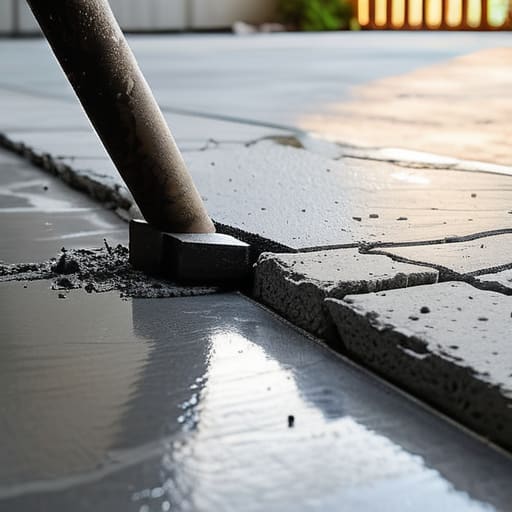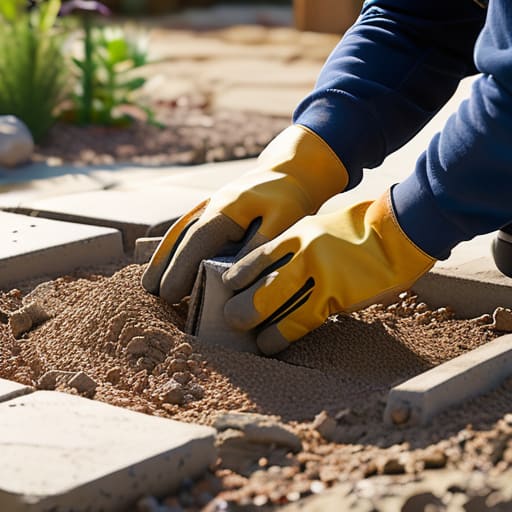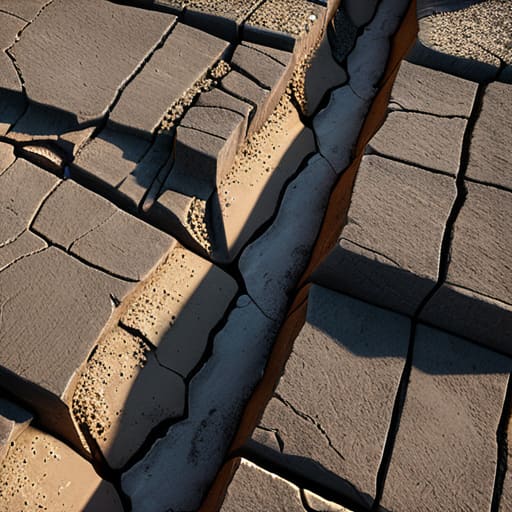
I’ve lost count of how many times I’ve stood on a driveway, looking at a mess of cracked, crumbling joints, listening to some salesman explain how their “revolutionary” product is going to save the day. They’ll give you a twenty-minute lecture on polymer chains and chemical bonding, but they never mention that if your sub-base is soft or your edges are dirty, you’re just throwing money into a gutter. People get so caught up in the fancy marketing that they fail to understand the actual mechanics of how resin jointing compounds work in the real world—not in a laboratory, but out here in the rain, the frost, and the heat.
I’m not here to sell you a miracle in a bucket or bore you with textbook chemistry that doesn’t mean a damn thing when the temperature drops. What I’m going to give you is the straight truth from forty-three years of seeing what sticks and what snaps. I’ll explain the actual process of how these resins bond, why they fail when you rush the prep, and more importantly, how to make sure you only have to do the job once.
Table of Contents
The Chemical Bonding Mechanism More Than Just Glue
Now, don’t go thinking this stuff is just fancy liquid glue you smear into a gap. If you treat it like a bit of sealant, you’ve already lost. What you’re actually dealing with is a serious chemical bonding mechanism that relies on a proper reaction between the resin and the hardener. When those two meet, you trigger the polymerization in construction that turns a liquid into a solid, structural mass. It isn’t just sitting on top of the concrete like a scab; it’s supposed to interlock with the microscopic pores of the substrate.
But here is where the lads usually trip up: they forget that concrete is a living, breathing thing. It moves. It breathes. If you don’t account for thermal expansion in joints, that chemical bond doesn’t matter one bit. The resin might have all the structural adhesive properties in the world, but if the joint can’t handle the temperature swings between a frost in January and a heatwave in July, it’ll shear right off. You aren’t just filling a hole; you’re building a bridge that has to flex without snapping.
Polymerization in Construction the Real Science of the Seal
Now, don’t go thinking this is just some magic liquid that dries hard. When we talk about polymerization in construction, we’re talking about a massive molecular chain reaction. You’ve got your resin and your hardener, and once they meet, they start building these long, interconnected chains. It’s not just “drying”—it’s a fundamental change in state. If you rush the mix or get the ratios wrong, those chains don’t link up properly, and you’re left with a brittle mess that’ll crumble the first time a heavy load rolls over it.
I’ve seen too many lads try to save time by working in the heat, but that’s a mistake. High temperatures mess with the epoxy resin curing process, making it go too fast and often leaving it under-cured at the core. You need that controlled reaction to ensure the material develops the right structural adhesive properties. If that polymerization isn’t complete and uniform, the compound won’t have the strength to handle the inevitable thermal expansion in joints when the seasons change. You aren’t just filling a gap; you’re creating a new, solid part of the structure.
Five Ways You’ll Waste Your Money if You Don't Respect the Resin
- Clean the hell out of the joint first. I’ve seen lads try to pour expensive resin into a gap filled with dust, grit, and old slurry. If that resin isn’t biting into clean, solid concrete, it’s just sitting on top like a scab. It won’t bond, and it’ll be popping out in six months.
- Watch the temperature like a hawk. Resin is a chemical reaction, not just a bucket of goop. If it’s too cold, it won’t cure; if it’s too hot, it’ll flash and set before you’ve even finished spreading it. You can’t fight the weather, so don’t try to force a pour when the conditions are against you.
- Stop adding water to make it “workable.” I know it’s tempting when the mix feels stiff, but once you dilute that polymer, you’ve ruined the chemistry. You’re essentially turning a high-performance sealant into expensive, watered-down mud that has no business being in a structural joint.
- Respect the depth of the gap. You can’t just skim a layer of resin over a deep crack and call it a day. You need to ensure the resin has enough mass to handle the movement, and you need to make sure the edges are sound. If the concrete around the joint is crumbling, the resin is just masking a bigger problem.
- Give it the time it asks for. Just because it feels hard to the touch doesn’t mean it’s cured. People are always in a rush to get the next stage of the job moving, but if you put weight or traffic on that joint before the polymerization is actually finished, you’ve broken the seal before it even truly formed.
Don't Waste Good Resin on Bad Prep
Look, we’ve gone through the science and the chemistry, but let’s bring it back down to the site. You can understand polymerization and chemical bonding all you want, but none of that matters if you’re trying to force a high-spec resin into a joint that’s full of dust, standing water, or loose debris. A resin jointing compound isn’t some magic potion that fixes a botched job; it’s a precision tool that requires a clean, dry, and stable substrate to actually do its job. If you skip the cleaning or ignore the curing window, you aren’t sealing a joint—you’re just throwing money into a crack that’s going to pop out the first time the ground shifts or the frost hits.
At the end of the day, my advice is simple: respect the process. If you take the time to get the sub-base right, prep the edges properly, and follow the manufacturer’s timing to the letter, the resin will hold for years. But if you’re looking for a shortcut to save twenty minutes on a Friday afternoon, don’t bother. Build it right the first time, from the ground up, and you won’t be the one getting the phone call in three years when the joints start failing. Do it properly, respect the chemistry, and the work will speak for itself long after you’ve packed up the tools.
Frequently Asked Questions
If the resin is supposed to bond so well, why does it keep popping out of my existing joints after a few months?
Because you’re treating the resin like a magic fix instead of a part of the structure. If it’s popping, it’s usually one of two things: either your joint wasn’t cleaned properly—and I mean bone-dry and dust-free, not just “swept”—or you’ve got movement in the slab itself. Resin can’t bond to grit and old concrete oil. If the sub-base is shifting or the joint wasn’t deep enough, no amount of chemistry will stop it from ejecting.
Does adding a bit of extra water to the mix to make it easier to spread ruin the chemical bond, or is that just a myth?
It’s no myth; it’s a death sentence for the bond. I’ve seen it a thousand times—some lad thinks he’s doing everyone a favour by adding a splash of water to make the mix “creamier” and easier to spread. All he’s doing is increasing the water-to-cement ratio. When that excess water evaporates, it leaves behind microscopic voids and a porous mess. You might get a smooth finish today, but that weakened structure won’t hold a resin seal for long.
How much does the temperature of the concrete slab actually matter when I'm trying to get the resin to set properly?
It matters more than most of these lads realize. If you’re pouring resin onto a slab that’s still holding onto the heat from a fresh pour, or if the concrete is ice-cold from a frost, you’re fighting a losing battle. Too hot and the resin flashes—it sets before you’ve even finished tooling it. Too cold and it won’t cure, leaving you with a gummy mess. You’ve got to respect the thermal mass of that slab.