I remember standing on a job site in ’94, watching a lad try to patch up a wall with some expensive, high-tech sealant because the homeowner was convinced the bricks themselves were “faulty.” I just stood there, hands in my pockets, watching the frost heave the face right off the masonry. People love to spend a fortune on fancy coatings, but they never want to talk about how frost damage affects brick because of what happened before the temperature dropped. It isn’t some mysterious act of God; it’s usually just a case of letting moisture sit where it shouldn’t, and then letting the freeze do the rest of the work for you.
I’m not here to sell you on miracle sprays or overcomplicated chemical fixes that won’t hold up past next winter. I’ve spent forty-three years watching walls crumble and foundations shift, and I can tell you that the fix is always in the preparation. In this post, I’m going to lay out exactly what’s happening inside those pores and how you can stop the cycle. We’re going to talk about moisture management and proper pointing—the real stuff that actually keeps your walls standing when the ground turns to iron.
Table of Contents
The Brutal Reality of Brick Moisture Absorption
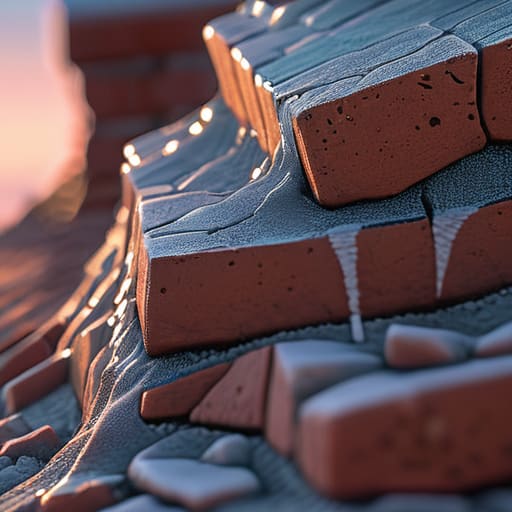
You can have the finest, most expensive facing bricks on the market, but if you don’t respect how they drink, you’re just throwing money into a puddle. People think brick is a solid, impenetrable barrier, but it’s actually more like a hard sponge. Through brick moisture absorption, those tiny pores pull in water from driving rain or rising damp. If that water sits there, waiting for the temperature to drop, you’ve already lost the battle.
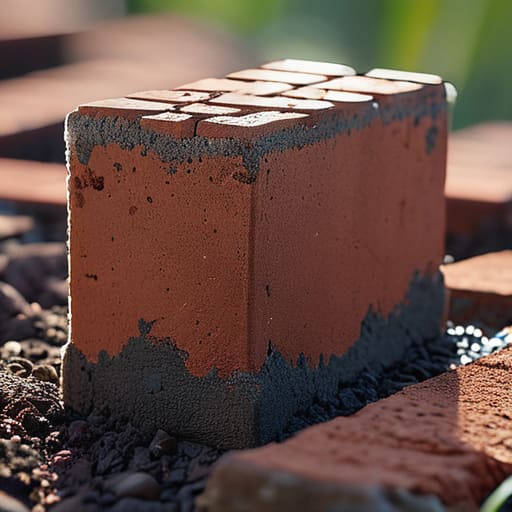
When that moisture gets trapped inside and the temperature hits zero, it expands. That’s the physics of it; you can’t argue with it. This constant expansion and contraction during a freeze-thaw cycle is what eventually tears the face right off the unit. I’ve seen it a thousand times—the brick doesn’t just crack; it shatters from the inside out. People often mistake the white powdery stuff, that efflorescence, for the real problem, but that’s just salt. The real killer is when the internal structure loses its integrity because the water had nowhere to go. By the time you see the surface flaking, the damage was done months ago.
How the Freeze Thaw Cycle Masonry Impact Destroys Everything
You can’t just look at a cracked brick and think it’s a bad batch of clay. Most of the time, you’re looking at the aftermath of a slow-motion explosion. When water gets sucked into those pores through brick moisture absorption, it doesn’t just sit there. As the temperature drops, that water expands. It’s basic physics, but it’s a physical force that’ll tear through seasoned masonry like a sledgehammer if you aren’t careful.
This is the freeze-thaw cycle masonry impact in action. Every time that water freezes, it pushes against the internal structure of the brick, creating microscopic fractures. Then it thaws, the water moves deeper, and the next freeze hits even harder. Eventually, the face of the brick just gives up and flakes off in chunks. People call it brick spalling, but I call it a predictable consequence of letting the wall breathe in too much damp. By the time you see the surface crumbling, the damage was actually done months ago, deep inside the core where no one bothers to look.
How to Stop the Freeze Before it Starts
- Stop treating your mortar like it’s indestructible. If you’ve used a sandy, weak mix that hasn’t been properly cured, you’ve basically built a sponge. Once that mortar goes soft and porous, it’s inviting the water in, and that’s where your trouble starts.
- Don’t be a hero with the weather. If the forecast says a hard freeze is coming and your brickwork is still fresh or the mortar hasn’t set, you cover it. I don’t care if it’s a nuisance; an extra layer of heavy-duty polythene is cheaper than replacing a whole face of masonry come spring.
- Check your pointing like your life depends on it. If you see hairline cracks or crumbling bits in the joints, you aren’t just looking at an aesthetic problem; you’re looking at a highway for moisture to travel straight into the heart of the wall. Fix the joints before the frost finds them.
- Watch your drainage, because water is your enemy. If your groundworks are rubbish and water is pooling up against the base of your wall, that brick is going to soak it up like a thirsty man at a pub. Keep the water away from the foundation and the wall stays dry.
- Stop the temptation to use “easy” additives. I’ve seen lads try to slap on cheap accelerators or extra water to get a job done faster in the cold. You might get it looking right for an hour, but you’re compromising the structure, and the frost will find that weakness every single time.
Don't Blame the Weather for Bad Workmanship
At the end of the day, you can’t blame the winter for a wall that’s falling apart; you blame the person who didn’t respect the physics of the material. If you leave your mortar joints porous or let water sit in the face of a brick because you were too rushed to finish the pointing properly, you’ve already signed the death warrant for that masonry. It isn’t some mysterious act of God when a brick face spalls off; it’s the direct result of trapped moisture expanding and doing the work you should have done during the build. You have to respect the cycle: the water gets in, the temperature drops, and the expansion does the rest. If you don’t manage the moisture, the frost will manage it for you.
I’ve seen enough crumbling facades in my forty-three years to know that good masonry is about foresight, not just laying bricks in a straight line. You don’t build to survive the sunny days; you build to survive the nights when the ground is frozen solid and the wind is biting. Take the time to get your joints right, ensure your drainage is pulling water away from the base, and never, ever cut corners on your weatherproofing just to get home early. If you do the job right from the start, the weather becomes a non-issue. Build it to last, not just to look good on handover day.
Frequently Asked Questions
If the bricks look fine now, how do I know if they've already taken on too much water before the frost hits?
You can’t always see it with the naked eye, but if you want to know, you’ve got to get hands-on. Take a bit of cling film, stick it tight over a patch of brick for twenty-four hours. If you see condensation under the plastic the next day, that brick is holding onto water like a sponge. It’s saturated. If you pour or lay anything near that while it’s still damp, you’re just inviting the frost to do its worst.
Does using a different type of mortar actually stop the bricks from cracking, or is it just a waste of money?
It’s not a magic fix, but it’s not a waste if you know what you’re doing. If you use a mortar that’s harder than the brick itself, you’ve just built a ticking time bomb. When the ground shifts or the frost hits, the brick should be the thing that gives a little. If your mortar is too stiff, the brick takes the brunt of the pressure and snaps. Match the strength to the unit, or don’t bother.
Can I fix the faces of bricks that have already started to flake off, or is the structural damage already done?
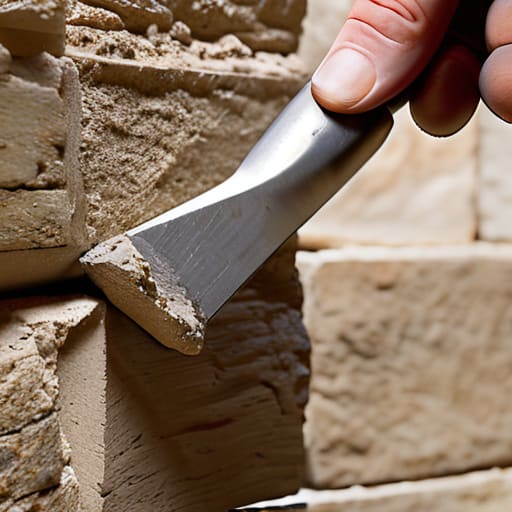
Look, if the face is flaking, the damage is already done. You can’t “fix” a brick that’s lost its skin; you’re just putting a bandage on a broken limb. You might patch the surface with some masonry repair mortar to make it look decent for the neighbors, but the integrity is gone. Once the frost has blown the face off, that brick is a sponge. My advice? Replace them. Don’t waste time decorating a corpse.