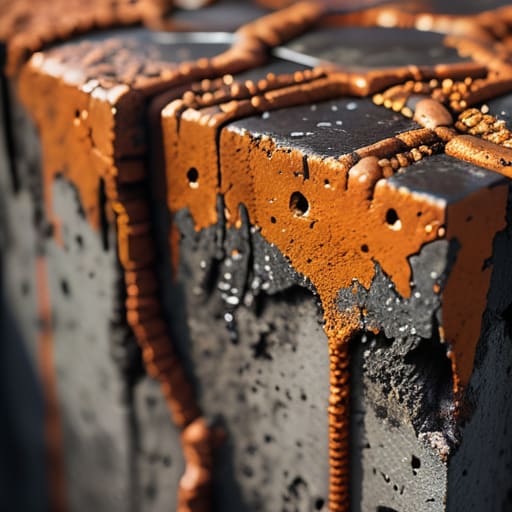
I remember standing on a site in the Midlands back in ’94, watching a lad pour a massive driveway slab just as the clouds turned black. He was bragging about the high-strength mix he’d ordered, acting like the grade of the cement was the only thing that mattered. But I saw the frost coming, and I knew that without the right air content, that slab was a dead man walking. Most people think you just need “strong” concrete to survive a winter, but they’re dead wrong. They don’t realise that how air entrainment protects concrete isn’t about strength at all; it’s about giving the water somewhere to go when it decides to expand and tear your work apart from the inside.
I’m not here to give you a lecture from a textbook or some fancy laboratory data that won’t mean a thing when you’re staring at a freezing rain at 6:00 AM. I’m going to tell you what actually happens when the temperature drops and why those tiny, microscopic bubbles are the only thing standing between a professional finish and a pile of expensive gravel. We’re going to look at the reality of the mix, the importance of the air-void system, and why you shouldn’t let a supplier talk you out of what your ground actually needs.
Table of Contents
The Microscopic Air Bubbles in Concrete That Save Your Pour

Now, don’t go thinking we’re talking about the big, ugly bubbles you see when a mix has gone wrong. I’m talking about something you can’t even see with the naked eye. When we use a proper admixture for freeze-thaw resistance, we’re creating a network of microscopic air bubbles in concrete that act like tiny shock absorbers. Think of it like this: when water gets trapped inside a solid slab and turns to ice, it expands. If there’s no room for that expansion, the internal pressure builds up until the concrete simply gives up and cracks.
Those tiny voids provide a way for that pressure relief in freezing concrete to happen without destroying the structure. But here’s the kicker—it isn’t just about having the bubbles; it’s about how they’re laid out. If your bubbles are all clumped together or too far apart, you’re dead in the water. You need a tight, consistent air void system spacing factor to ensure every bit of water has a nearby “escape hatch.” If the spacing is off, you might have the right amount of air, but you’ll still end up with a crumbling mess come springtime.
Managing Concrete Permeability and Air Content Before the Freeze
Now, don’t go thinking you can just throw a bit of an admixture for freeze-thaw resistance into the drum and call it a day. It’s not a magic potion. If you’ve got a mix that’s too lean or you’ve let the lads add too much water to make it easier to spread, you’re fighting a losing battle. You can have all the microscopic air bubbles in concrete you want, but if they aren’t distributed right, they won’t do a lick of good. I’ve seen plenty of “engineered” mixes fail because the air void system spacing factor was all wrong—the bubbles were too far apart to catch the water as it expanded.
You have to manage the concrete permeability and air content from the moment that truck rolls on site. If the mix is too dense and doesn’t have that proper network of tiny voids, the water gets trapped in the capillaries. When that water turns to ice, it needs somewhere to go. Without those gaps to provide pressure relief in freezing concrete, the internal force will tear the paste apart from the inside out. It’s not about the strength of the stone; it’s about giving that ice a place to hide.
Five Things You Can’t Get Right if You Ignore the Air
- Don’t trust the slump test alone to tell you the story. A mix can look easy to work with and have a perfect slump, but if your air content is bottoming out because someone’s been messing with the water-cement ratio, you’re essentially building a ticking time bomb for the first frost.
- Watch the vibrators like a hawk. I’ve seen lads over-vibrate a pour thinking they’re being thorough, but all they’re doing is shaking those life-saving microscopic bubbles right to the surface and leaving the core of your slab defenseless.
- Get the lab results before the truck pulls up. Don’t just take the driver’s word for it that “it’s a standard mix.” If you’re pouring in November or February, you better have the paperwork in your hand proving the air entrainment is where it needs to be.
- Stop adding water to the drum on site. I know it makes the lads’ lives easier when the mix feels stiff, but every splash of water you add to “loosen it up” is diluting your air content and opening the door for freeze-thaw damage to tear that slab apart.
- Check your aggregates. If you’re working with a new batch of stone or sand that’s been sitting in a wet pile, it can mess with how the air-entraining admixture actually performs. You can’t treat every load like it’s the same old reliable stuff.
Don't Leave Your Durability to Chance
At the end of the day, it’s simple math. You can spec the most expensive aggregate and the highest grade of cement, but if you haven’t got that proper air entrainment worked into the mix, you’re just building a ticking time bomb. Those microscopic voids are what give the water somewhere to go when the temperature drops, preventing the internal pressure that turns a solid slab into a pile of gravel. Don’t let anyone on site tell you that a little extra water will make the pour easier or that the air content doesn’t matter much for a standard driveway. If you neglect the air content, you aren’t just cutting corners; you are guaranteeing a failure that you’ll be called back to fix in three winters’ time.
I’ve spent forty-three years watching men try to save a few quid by skipping the proper testing or pushing for a wetter, easier-to-work mix. They always think they can outsmart the weather, but the frost doesn’t care about your schedule or your profit margins. Do the job right from the start. Get your mix design sorted, check your air levels, and respect the science behind the pour. When you get that air entrainment right, you aren’t just pouring concrete; you are building something that lasts long after you’ve hung up your tools.
Frequently Asked Questions
If I add too much air entrainment to the mix to be safe, am I going to end up with a slab that's too weak to hold any real weight?
You’ve hit the nail on the head, and it’s a common mistake. People think “more air equals more safety,” but they’re wrong. Every bit of air you add is essentially a tiny hole in your structure. If you overdo it, you’re just trading durability for weakness. You’ll get a slab that survives the frost but crumbles under a heavy wheel or a bit of real traffic. It’s a balancing act, not a “more is better” game.
How can I actually tell if the truck has delivered the right amount of air once it's sitting there on site, or am I just supposed to take the driver's word for it?
Look, I’ve seen too many lads just nod at the driver and hope for the best. Don’t do that. If you’ve got the kit, use a pressure meter or a volumetric test—don’t rely on a slip of paper. If you’re stuck without the fancy gear, look at the workability. If it’s too “fat” or sticky, they might have messed with the mix. But honestly? If you can’t verify it, you’re just gambling with your reputation.
Does the air content change once the concrete starts curing, or is what we test at the hopper what we're stuck with for the life of the slab?
Listen, once that mix leaves the hopper, the clock is ticking. You can test it at the drum and get a perfect reading, but the moment your lads start adding water to make it “workable”—and believe me, they will—you’re messing with the air void system. Adding water dilutes the air content and messes with the spacing. If you don’t watch what happens between the truck and the screed, that test result is just a piece of paper.