I spent forty-three years watching men pour foundations only to have them crack six months later because they ignored the ground underneath, and I see the exact same nonsense happening with masonry. People spend a fortune on fancy chimney sweeps and high-end flue liners, thinking that’s the secret to how chimneys are maintained properly. They focus on the soot inside the pipe while the actual brickwork is rotting from the top down because the flashing was slapped on by a lad in a hurry. You can scrub a flue until it shines like a new penny, but if the mortar joints are crumbling or the chimney pot isn’t seated right, you’re just polishing a sinking ship.
I’m not here to sell you a subscription to a cleaning service or some overpriced chemical spray. I’m going to tell you how it actually works from the perspective of someone who has spent a lifetime looking at how structures stand up—and how they fall down. We are going to look past the soot and talk about the real structural essentials: the masonry, the pointing, and the weatherproofing. I’ll show you what to look for so you don’t get taken for a ride by someone who only cares about the easy part.
Table of Contents
Beyond the Brush Why Chimney Sweep Services Arent Enough
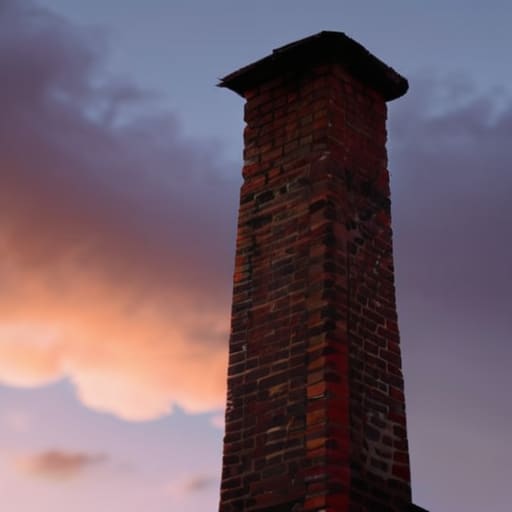
I’ve seen it a hundred times: a homeowner calls in professional chimney sweep services, the bloke comes out, brushes out the soot, gives the flue a quick look, and leaves a receipt. They think the job is done. But a sweep is there to clean the airway, not to act as a structural engineer. You can have the cleanest flue in the county, but if the masonry is crumbling or the mortar is turning to sand, that soot-free chimney is still a liability. They aren’t looking at the bones of the structure, and that’s where the real trouble hides.
If you want to actually look after a chimney, you have to look at what the brush doesn’t touch. I’m talking about the flashing installation and repair around the roofline and the state of the brickwork itself. If the flashing is perished or the pointing is blown, you aren’t just looking at a dirty hearth; you’re looking at water ingress that will rot your rafters before you even notice a damp patch. A sweep cleans the pipe, but maintenance is about the envelope—making sure the water stays out and the masonry stays solid.
The Invisible Enemy Preventing Chimney Leaks Before They Start
You can hire the best chimney sweep in the county to clear out the soot, but that won’t do a damn thing for a leak. Most people think a chimney is just a hollow tube, but it’s a structural extension of your house that’s constantly fighting the elements. If your flashing installation and repair was botched during the build, or if that lead has pulled away from the masonry due to years of thermal expansion, water is going to find its way in. I’ve seen enough damp patches on ceilings to know that by the time you see the stain, the damage to your internal structure is already well underway.
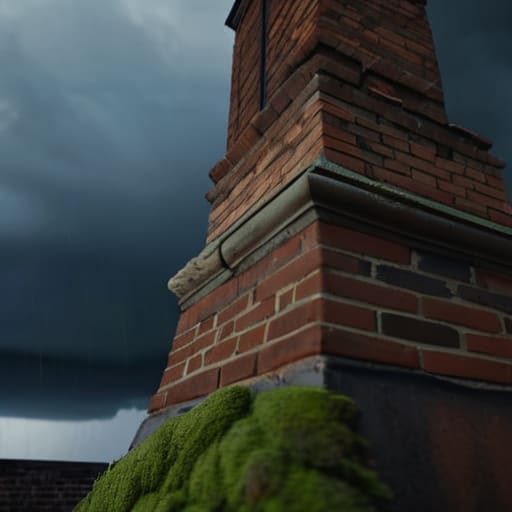
The real secret to preventing chimney leaks isn’t about what you do once a year; it’s about how the stack was put together in the first place. You need to be looking at the mortar joints and the way the chimney sits against the roofline. If the brickwork is porous or the pointing is crumbling, it doesn’t matter how clean the flue is—water will soak right through the skin of the stack. You have to respect the interface between the masonry and the roof, because that’s where the battle is won or lost.
The Foundation and the Flue: What Actually Keeps a Chimney Standing
- Don’t just look at the soot; look at the mortar. I’ve seen plenty of folks call a sweep to clear a blockage, only to find the masonry is turning to sand underneath. If the pointing is crumbling or recessed, you aren’t just looking at a cleaning job—you’re looking at a structural failure waiting for the first heavy rain to wash the heart out of the stack.
- Watch your flashing like a hawk. You can have the cleanest flue in the county, but if that lead flashing around the roofline hasn’t been seated right or has perished from the sun, water is going to find its way in. Once moisture gets behind the brickwork, it starts the freeze-thaw cycle, and that’s when you start seeing cracks that no amount of sealant can fix.
- Stop ignoring the base. Just like a concrete slab, a chimney is only as good as what it’s sitting on. If you notice any leaning or widening gaps at the hearth level, don’t just slap some filler on it. That’s a sign the footing or the internal structure is shifting, and if you don’t address the stability of the base, you’re just painting over a disaster.
- Mind the moisture levels. I tell people all the time: dry is good, damp is a death sentence. If you see salt deposits—that white, powdery stuff on the bricks—it means water is migrating through the masonry. That’s your warning shot. If you wait until you see a leak inside the house, the damage to the internal structure is already done.
- Check the crown, not just the chimney. Most people forget the very top—the concrete or masonry cap that sheds the water away from the stack. If that cap is cracked or poorly pitched, water will run straight down the inside of your masonry instead of off the side. A failed crown is the quickest way to rot a chimney from the inside out.
The Foundation of a Safe Fire
At the end of the day, you can hire the fanciest sweep in the county to clear out your soot, but if you’re ignoring the masonry or the flashing, you’re just polishing a sinking ship. Proper chimney maintenance isn’t about making the flue look pretty; it’s about making sure the structural bones—the brickwork, the mortar, and the seal against the elements—are actually sound. If the base is crumbling or the water is getting behind the brick, no amount of brushing is going to stop a leak or a collapse. You have to look beneath the surface and address the moisture and the stability before you ever think about lighting a match.
I’ve spent forty-three years watching things fail, and it’s rarely the easy stuff that causes the trouble. It’s always the things people skipped because they were “out of sight, out of mind.” Don’t be the person who waits for a crack to appear in the living room ceiling before they decide to check the roofline. Treat your chimney like you’d treat a foundation: respect the weather, check your joints, and never take shortcuts on the things you can’t see. Do the hard work now, and you won’t be calling me to tell you why your hearth is falling apart in five years’ time.
Frequently Asked Questions
If the masonry looks solid from the outside, how do I know if the internal flue lining is actually holding up?
Don’t let a pretty brick exterior fool you. I’ve seen plenty of chimneys that look grand from the garden but are hollowed out like a rotten log inside. If you want the truth, you need a chimney camera inspection. A sweep’s brush won’t tell you if the flue lining is cracked or delaminating. If you’re seeing soot staining on the outside or a weird smell in the house, that lining has already given up the ghost.
How often should I be checking the flashing and pointing around the base, and what are the actual signs that it's starting to go?
Don’t wait for a damp patch on the ceiling to start looking. I’d be getting up there once a year, ideally before the autumn rains set in. You’re looking for more than just “dirt.” Check if the pointing is turning to sand or if there are hairline cracks in the mortar. If the flashing looks like it’s lifting or the sealant is peeling away from the brickwork, it’s already failing. Once water gets behind that base, you’re fighting a losing battle.
Is there any way to tell if my chimney's foundation is shifting before I see cracks appearing in the living room ceiling?
You’re looking for the warning signs before the ceiling gives way? Look at the ground, not the plaster. Check your exterior masonry for any hairline gaps where the chimney meets the main house wall, or see if your flashing is pulling away. More importantly, look at the soil around the base. If you see new pooling water or the ground is sinking away from the stack, that foundation is already moving. By the time the ceiling cracks, the battle’s already lost.