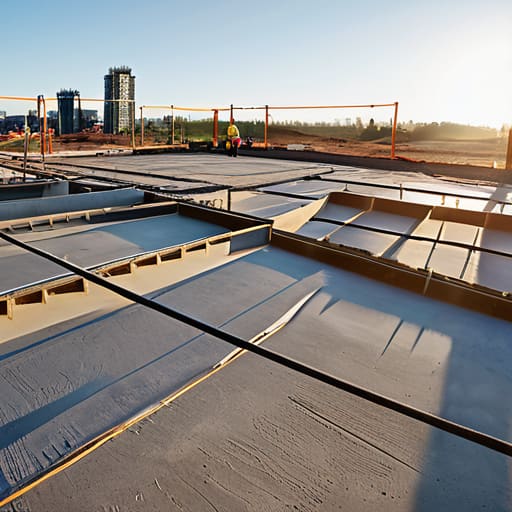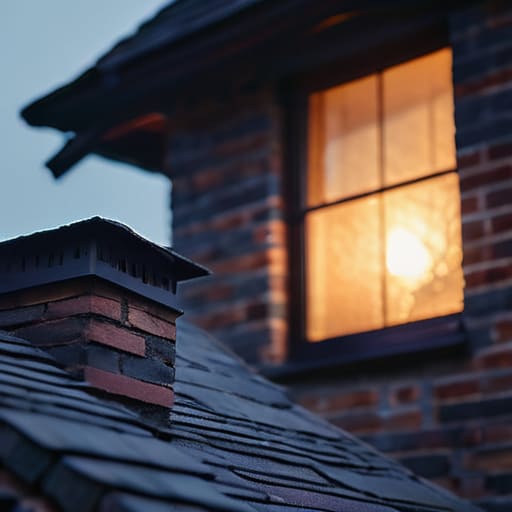
I was standing on a job site in North Yorkshire back in ’98, watching a lad try to patch up a crumbling stack with nothing but a bucket of mortar and a prayer. He thought he was doing a grand job, but I could see the truth from the ground: the footing had shifted three inches because the sub-base was nothing but loose rubble and prayer. Most people think a complete guide to chimneys is about picking the right bricks or the fanciest flue liner, but they’re looking at the wrong end of the problem. They focus on the pretty masonry you see from the garden, while the real disaster is brewing in the foundation and the flashing where nobody bothers to look.
I’m not here to sell you on expensive gadgets or fancy architectural flourishes that won’t last two winters. I’ve spent forty-three years watching how structures actually behave when the frost sets in, and I’m going to tell you how it really works. This isn’t some polished brochure; it’s the unvarnished truth about what makes a chimney stand and what makes it fail. We’re going to talk about the ground, the weather, and the joints—the bits that actually matter—so you don’t end up paying for the same mistakes I’ve spent a lifetime fixing.
Table of Contents
Why Chimney Structural Integrity Starts Below the Hearth
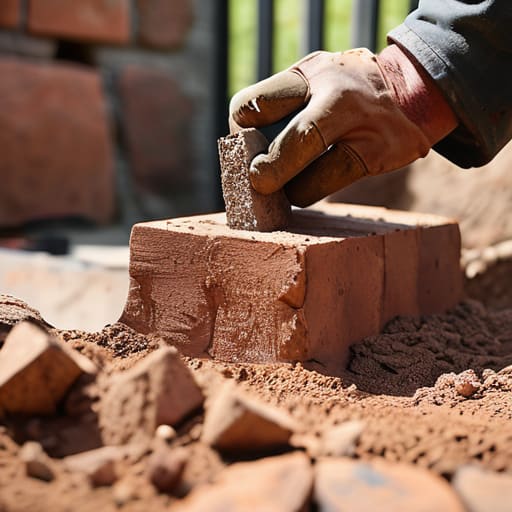
You can spend a fortune on the finest reclaimed bricks and the best lime mortar, but if your footing is rubbish, that stack is going nowhere but down. I’ve seen plenty of lads focus entirely on the visible chimney masonry components—the decorative lintels or the way the courses line up—while completely ignoring the footprint. If you haven’t got a solid, well-compacted foundation beneath that hearth, you’re just building a very expensive pile of weight waiting to settle.
The real battle for chimney structural integrity is won in the trenches, not on the scaffolding. Most failures I see start with uneven settlement because the ground wasn’t prepared or the footing wasn’t deep enough to get below the frost line. Once that base shifts even a fraction, the movement travels up the stack, cracking your mortar joints and eventually compromising the flue. You can try all the brickwork and mortar repair you want once the cracks appear, but you’re just putting a bandage on a broken leg. If the ground moves, the chimney moves. Period.
The Flue and Masonry Components Nobody Ever Photographed
Once the stack is up, everyone starts looking at the pretty brickwork or the decorative pots, but they’re looking at the wrong end of the problem. The real work is happening in the dark, inside that flue. I’ve seen plenty of jobs where the exterior looks grand, but the chimney masonry components inside are crumbling like a dry biscuit because nobody bothered with proper lining or consistent chimney flue maintenance. You can have the finest reclaimed brick in the country, but if your flue liner is cracked or poorly seated, you aren’t running a chimney; you’re running a fire hazard that’s slowly eating your house from the inside out.
It’s the stuff you can’t see that does the damage. A hairline crack in a flue tile or a bit of perished sealant might not show up on a surveyor’s photo, but it’s the primary culprit when it comes to preventing chimney leaks and keeping carbon monoxide where it belongs. People obsess over the aesthetics, but if you haven’t checked the integrity of the internal masonry, you’re just building a very expensive way to let smoke into your living room.
Five Things You’ll Get Wrong if You Only Look at the Bricks
- Stop obsessing over the pointing and start looking at the flashing. I’ve seen a thousand chimneys that look grand from the street, but the moment the leadwork around the roofline fails, the whole stack starts drinking water. If the seal between the masonry and the tiles is rubbish, it doesn’t matter how good your mortar is; you’re just building a very expensive, very wet sponge.
- Watch the moisture levels before you even think about a repair. You can’t just slap fresh mortar onto a damp, salt-stained chimney stack and expect it to hold. If the masonry is saturated, that new work will just pop right off in the first frost. You have to let the structure breathe and dry out properly, or you’re just wasting your time and my patience.
- The flue is the heart, not an afterthought. People treat the liner like it’s just a bit of pipe, but if that liner isn’t seated right or if the thermal expansion isn’t accounted for, you’re looking at cracks in your main stack. A chimney isn’t just a pile of bricks; it’s a thermal system, and if the internal lining fails, the structural masonry follows shortly after.
- Don’t trust a chimney that hasn’t been inspected for movement from the ground up. If the house is settling or the footings under the hearth weren’t poured on a decent sub-base, the chimney is going to lean. I’ve seen lads try to fix a crack in the flue only to find the whole stack is tilting because the foundation underneath was nothing more than a handful of loose rubble.
- Mind the weather when you’re doing the work. I’ve seen too many “quick fixes” done in the biting wind or a light drizzle. If you’re applying mortar or sealant and the temperature is dropping or the rain is coming down, you’ve already lost the battle. You wait for the right window, or you don’t do the job at all. There are no shortcuts in masonry.
The Foundation of a Proper Build
At the end of the day, a chimney isn’t just a stack of bricks reaching for the sky; it’s a complex system that starts deep in the ground and ends with the integrity of your flue. If you ignore the sub-base, you’re asking for settlement cracks that no amount of pointing will ever fix. If you skimp on the quality of the masonry or the precision of the flashing, you’re just waiting for the first heavy rain to turn your living room into a damp mess. I’ve seen too many jobs where the lads thought they could make up for a poor footing by just throwing more mortar at the problem later. It doesn’t work. You have to get the sequence right from the moment the first shovel hits the dirt, ensuring the footing is solid, the joints are tight, and the weather isn’t working against you.
Building something that lasts isn’t about following the quickest route to a finished job; it’s about having the discipline to do the parts that nobody sees. Most people only care about the chimney once they see smoke coming out of the top, but by then, the real work is already done. If you respect the materials, respect the ground underneath, and refuse to take the easy way out when the weather turns sour, you’ll build something that stands for generations. Don’t build for the inspection; build for the next fifty years.
Frequently Asked Questions
If the sub-base under my hearth is settling, how do I know if it's a minor crack or a sign the whole stack is going to come down?
Look, if you’re seeing a hairline crack in the hearth, don’t panic—but don’t ignore it either. If that crack is widening or you see the floor tiles lifting, you’ve got a settling sub-base. If the crack is diagonal and moving up into the masonry, that’s the stack shifting. If the ground underneath isn’t solid, the weight of that brickwork will eventually win. Get a level on it; if it’s sloping, the foundation is losing.
How much of a difference does the mortar mix actually make when you're building up a tall stack in cold weather?
It makes all the difference between a chimney that stands for fifty years and one that turns into a pile of rubble by next spring. In the cold, you can’t just grab a standard mix and hope for the best. If that mortar freezes before it sets, you’ve essentially just stacked dry bricks with sand in between. You need a mix with the right lime content or a bit of accelerator—but don’t you dare think adding hot water is a shortcut. That’s just asking for trouble later.
When am I actually looking at a failure caused by the ground versus a failure caused by poor workmanship in the masonry?
Look, if you see a staircase crack—one that’s wider at the top and follows a diagonal line through the mortar—that’s your ground telling you it’s moved. That’s a sub-base or settlement issue. But if the cracks are vertical, or if the bricks themselves are splitting, that’s poor workmanship. That’s someone using a weak mix, neglecting the lime, or building too fast without letting the layers settle. One’s the earth shifting; the other’s just bad practice.