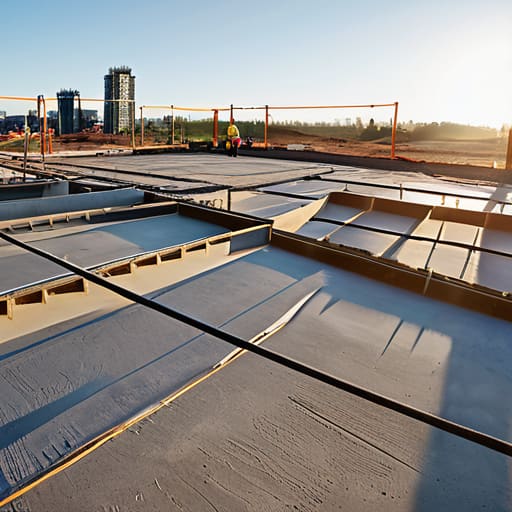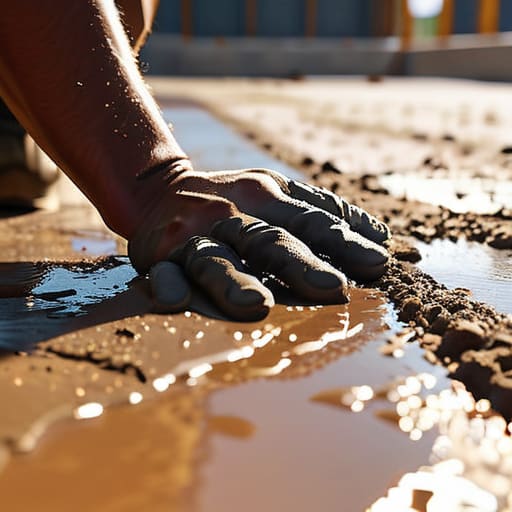
I remember a Tuesday back in ’94, standing on a driveway in July, watching a lad I’d hired try to “save” a stiff mix by hosing it down with a garden sprayer because the sun was baking the surface into a crust. He thought he was being helpful, but all he was doing was killing the strength of that slab before it even had a chance to set. Most people will give you a “complete guide to concreting in hot weather” that’s nothing but a list of expensive additives or fancy chemical retarders that don’t mean a damn thing if your timing is off. They’ll talk about the mix, but they won’t tell you that the heat is a liar—it makes everything look ready when, in reality, the moisture is being sucked out of the ground faster than you can spread it.
I’m not here to sell you on miracle powders or complicated science experiments. I’m going to give you the truth from forty-three years of watching slabs crack because someone got impatient with the sun. This is my no-nonsense approach to managing your sub-base, your timing, and your curing, so you don’t end up calling me in six months to ask why your patio looks like a dried-up riverbed.
Table of Contents
Winning the War on the Concrete Hydration Process
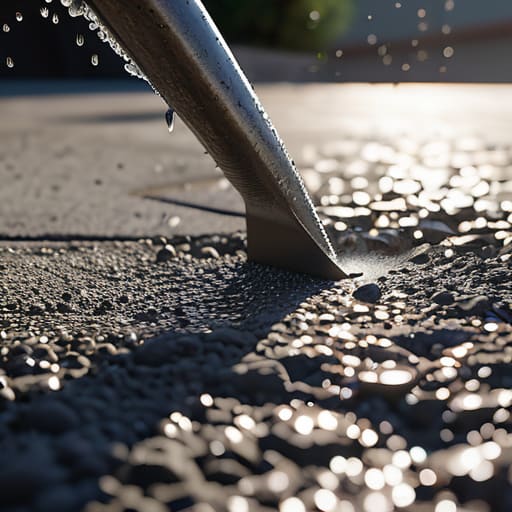
Listen, you need to understand one thing: the concrete hydration process isn’t something you can negotiate with once the sun is beating down on the site. It’s a chemical reaction, not a drying process. If you treat it like you’re just waiting for a puddle to disappear, you’ve already failed. In high heat, that reaction goes into overdrive. The water that’s supposed to be feeding the chemical bond gets sucked out of the surface by the air before it can do its job. That’s exactly how you end up with preventing plastic shrinkage cracking becoming a battle you’ve already lost before you’ve even picked up the float.
If you see the mix getting stiff too fast, your instinct is going to be to grab the hose and add water to get the workability back. Don’t. That’s the quickest way to ruin your strength. If you’re working in serious heat, you should have discussed using concrete admixtures for high temperatures with the plant before the truck even left the yard. You want retarders that buy you time, not a bucket of tap water that’ll leave you with a weak, dusty slab. You have to manage the chemistry, or the chemistry will manage you.
Why Your Slump Test in Heat Is a Losing Battle
I’ve seen it a hundred times: the truck pulls up, the sun is beating down, and the site foreman is sweating, staring at a mix that looks a bit stiff. He calls for a slump test in heat to see if it’s workable, and the second that cone comes up, he makes the fatal mistake. He sees a low slump and orders the driver to crack a few barrels of water into the drum just to get it moving.
Listen to me: that water is a poison in the sun. You might get a smooth finish for twenty minutes, but you’ve just destroyed the water-to-cement ratio. That extra moisture evaporates long before the crystals can actually bond, leaving you with a porous, weak mess that’ll crumble under its own weight. If you want to avoid preventing plastic shrinkage cracking from becoming a secondary thought, you don’t fix a stiff mix with a hose. You use the right concrete admixtures for high temperatures to keep it flowing, or you call the plant and tell them to adjust the mix before it even leaves the yard. You can’t cheat the chemistry once it’s in the sun.
Five Ways to Keep Your Slab from Turning into a Cracked Mess
- Stop treating the sub-base like an afterthought; if you’re pouring on bone-dry sand or a base that’s been baking in the sun all day, that ground is going to suck the life out of your mix before you’ve even finished screeding. Dampen the ground down first—not to make a slurry, but to stop the earth from stealing your hydration.
- Watch the clock like a hawk because the window between “workable” and “set” shrinks to nothing when the sun is high. If you aren’t staged, ready, and positioned the moment that truck starts discharging, you’ll be fighting a losing battle against a mix that’s already stiffening in the chute.
- For the love of everything holy, keep the hose away from the mix. I’ve seen too many lads think they’re being helpful by adding a splash of water to make it “flow better” when it starts to tighten up in the heat, but all you’re doing is ruining the water-to-cement ratio and guaranteeing a weak, dusty surface that’ll flake off in six months.
- Get your curing compound or your polythene ready before the first shovel hits the ground. You cannot wait until the surface looks dry to start thinking about protection; the second you finish your final pass, the clock is ticking, and you need to seal that moisture in immediately to prevent plastic shrinkage cracks.
- Schedule your pours for the graveyard shift or the early bird special. If you think you can outsmart a 30-degree afternoon by just working faster, you’re dreaming; the only way to win is to pour when the temperature is dropping and the sun isn’t actively trying to bake the moisture out of your work.
Don't Let the Sun Cheat You
At the end of the day, pouring in the heat isn’t about being faster or more aggressive; it’s about being smarter than the thermometer. You’ve got to respect the sub-base, keep that moisture locked in where it belongs, and for heaven’s sake, stop adding water to the truck just because the mix looks a bit stiff. If you nail the preparation—getting your aggregates damp, checking your shade, and managing your curing from the second the screed is down—you’ll have a slab that lasts. If you skip those steps because you’re “in a rush,” you aren’t just saving time; you’re signing a death warrant for that concrete.
I’ve spent forty-three years watching lads try to fight the sun, and let me tell you, the sun always wins if you don’t respect it. A good pour isn’t measured by how quickly you get the tools cleaned and the van gone; it’s measured by how that slab looks three years down the line when the cracks haven’t started showing. Do it right, do it slow, and treat the curing like it’s the most important part of the job, because it is. You’ll sleep better knowing you didn’t just lay a surface, but you actually built something solid that won’t fall apart the moment the seasons change.
Frequently Asked Questions
If I can't add water to the truck without ruining the mix, how am I supposed to get it spread out before it sets too fast?
You don’t fix a dry mix with water; you fix the situation before the truck even pulls up. If you’re staring at a stiff load and panicking, you’ve already lost. You should be using plasticizers—superplasticizers, if you want the technical term—to get that flow without killing the strength. Or better yet, adjust your mix design with the plant beforehand. If it’s too slow to spread, your sub-base was too thirsty or your timing was rubbish.
Should I be wetting down the sub-base before the pour, or am I just going to mess up the moisture balance?
You’ve hit on the exact thing that trips up the young lads. If that sub-base is bone dry, it’ll act like a sponge, sucking the life right out of your mix before it’s even set. You want it damp—not a swamp, mind you—just enough so it isn’t thirsty. If you leave it parched, you’re essentially robbing your concrete of the water it needs to cure, and that’s how you get those nasty shrinkage cracks.
Is there any point in using a curing compound if the wind is picking up and drying everything out anyway?
Look, if the wind is howling and sucking the life out of your slab, a curing compound isn’t just “a point”—it’s your only prayer. But don’t go thinking it’s a magic shield. If you spray it on a surface that’s already gone bone-dry and dusty from the wind, you’re just painting a film over a corpse. You’ve got to get that membrane down while the surface is still damp, or you’re just wasting money.