I remember standing on a site in the Midlands back in ’94, watching a lad try to make sense of a massive stack of architectural drawings while the rain turned the footings into a soup. He was sweating over the technical specs, trying to figure out how wall ties are specified for a double-skin gable, but he was looking at the wrong thing entirely. He thought the “specification” was just a line in a fancy binder that told him which metal bit to buy. He didn’t realize that if the moisture levels in that masonry aren’t settled or the bed joints are uneven, even the most expensive stainless steel tie in the world is nothing more than expensive scrap metal waiting to snap.
I’m not here to read you a textbook or recite some manufacturer’s glossy brochure. I’ve spent forty-three years watching walls bow and cracks spiderweb because someone thought they could skip the fundamentals. In this post, I’m going to tell you what actually matters when you’re looking at those specs—the stuff the engineers often forget and the builders usually ignore. We’re going to talk about the real-world reality of tie selection, from load-bearing requirements to the actual environment they’re sitting in, so you don’t end up fixing a mistake that should have been caught before the first brick was even laid.
Table of Contents
Stainless Steel vs Galvanized the Choice That Outlives You
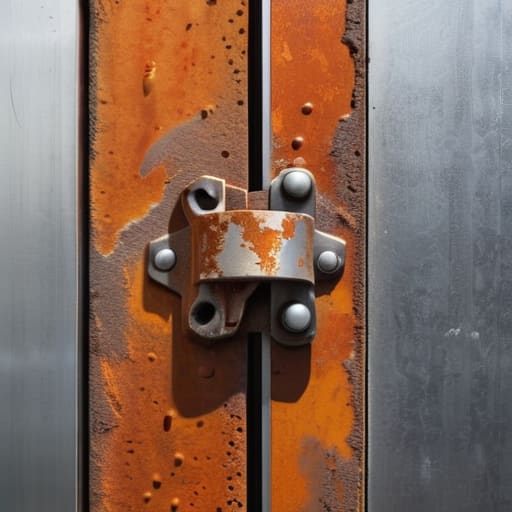
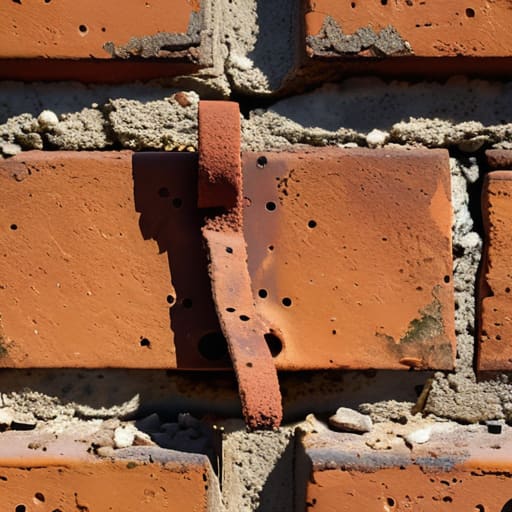
Now, when you’re looking at the spec sheet, you’re going to see a lot of talk about stainless steel vs galvanized wall ties. On paper, they both do the job of holding your leaves together, but in the real world, one of them is a ticking time bomb. Galvanized ties are fine for a garden wall or something tucked away where the weather won’t touch it, but if you’re working on a proper house build, you need to think about the long game. I’ve seen too many jobs where someone tried to save a few quid on the materials, only to have the corrosion start eating the metal from the inside out ten years later.
If you want to maintain the structural integrity of masonry over the next fifty years, you don’t gamble with it. In most modern cavity wall construction standards, especially if you’re anywhere near the coast or dealing with high moisture, stainless steel is the only way to go. You can install the most perfect masonry tie installation patterns in the world, but if the metal itself decides to snap because of rust, all that precision is wasted. Don’t be the man who buys cheap metal and spends his retirement explaining to a homeowner why their wall is bowing.
Load Bearing Wall Tie Requirements and the Cost of Cutting Corners
Now, here is where the real trouble starts. You can have the best materials in the world, but if you don’t understand load-bearing wall tie requirements, you’re just building a house of cards. I’ve seen lads on sites treat ties like they’re just there to keep the two leaves of a wall from bowing out, but they forget that in certain parts of a build, those ties are actually doing the heavy lifting. If the spec calls for a tie that can handle vertical load and you swap it for a standard lateral one just to save a few quid, you aren’t just cutting costs—you’re compromising the structural integrity of masonry from day one.
It’s not just about the strength of the metal, either; it’s about the layout. Following the correct masonry tie installation patterns isn’t a suggestion, it’s the law. I’ve seen enough cracked lintels and shifting corners to know that when people start skipping ties or spacing them too wide to “speed things up,” they’re asking for a nightmare. You might pass an inspection today, but when the ground settles and the load shifts, those skipped ties will be the reason the whole face of the wall starts to buckle.
Five Things the Architect Forgot to Tell the Groundworker
- Don’t let them specify ties without a moisture plan. You can have the best stainless steel in the world, but if that wall is sitting on a sub-base that hasn’t been properly compacted and drained, the movement is going to snap those ties regardless of the spec.
- Check the spacing against the real-world reality. An engineer might write down a perfect pattern on a drawing, but if the site conditions change—like a shift in the soil or a heavy rain before the masonry is up—that specified spacing might be a joke. I always look at the actual load before I trust a piece of paper.
- Watch out for the “cheap” galvanized trap. If the spec calls for standard galvanized ties on a project near the coast or in high-moisture ground, someone is being stingy. I’ve seen those ties rust out and leave the wall standing on nothing but hope, and that’s a conversation I don’t want to have.
- The spec is useless if it doesn’t account for the buildup. I’ve seen lads try to force specified ties into a cavity that wasn’t built to the right width. If the gap between the leaves isn’t consistent, you won’t get the tie seated right, and a poorly seated tie is just a bit of metal doing nothing.
- Stop treating the tie like an afterthought. Most people think once the bricks are up, the job is done. But if the spec doesn’t account for how those ties interact with the specific mortar mix you’re using, you’re asking for cracks. The tie and the mortar have to work together, or they won’t.
The Final Word on Wall Ties
Look, at the end of the day, specifying wall ties isn’t some academic exercise for architects to tick a box on a drawing. It’s about understanding that you’re choosing the skeleton of the build. You’ve got to weigh up the environment—whether you’re fighting salt spray near the coast or just standard damp in a cavity—and you’ve got to match the tie’s strength to the actual load the wall is going to carry. If you pick galvanized when you should have gone stainless, or if you try to save a few quid by underspecifying the load capacity, you aren’t saving money; you’re just scheduling a future repair. You can’t fix a structural failure once the mortar has set and the skin is on, so get the specification right the first time.
I’ve spent forty-three years watching people try to outsmart the physics of a building, and let me tell you, the physics always wins. People focus on the pretty brickwork and the expensive windows, but the real integrity of a structure lies in the bits you can’t see once the job is done. When you specify your ties, don’t do it because the manual told you to; do it because you want to be able to walk past that finished wall in twenty years and know it isn’t moving. Build it right, build it to last, and stop looking for the easy way out.
Frequently Asked Questions
If the architect specifies standard galvanized ties for a coastal project, is it my job to stop the job or just follow the spec?
Listen, if you see a spec for standard galvanized ties on a coastal job, you don’t just nod and start tying. That’s how you end up with a face full of rust and a phone call from a lawyer in five years. You aren’t the architect, but you’re the one who has to look the client in the eye when the wall starts weeping orange streaks. Flag it. Get it in writing. If they won’t budge, walk.
Does the type of masonry I'm tying into—like lightweight aerated blocks versus heavy red clay—change which tie I should be asking for?
Listen, you can’t treat a lightweight aerated block the same way you treat a heavy red clay. It’s basic physics. If you’re tying into soft, aerated stuff, you need a tie with a wider footprint or a specific type of sleeve to stop it from just pulling right out of the face of the block when the wind catches it. With heavy clay, you’re fighting different movement. If you use the same generic spec for both, you’re asking for cracks.
How do I know if the engineer's specified tie spacing is actually practical for the crew on the ground, or if they've just picked a number out of a book?
Look, if the engineer hands you a spacing that requires a man to be on his knees every six inches with a hammer, they’ve never spent a Tuesday in the rain. You check it by looking at the rhythm of the build. If the tie pattern doesn’t line up with your brick courses or your blockwork layout, it’s a nightmare. A spec that ignores the physical reality of the masonry is just a recipe for a rushed, sloppy job.