I remember standing on a site in the Midlands back in ’94, watching a lad try to explain to a homeowner why their brand-new extension was tilting like the Leaning Tower of Pisa. He was babbling on about concrete grades and reinforcement specs, but I knew the truth the moment I looked at the muddy mess they’d left in the trench. People spend all their time worrying about the mix design or the steel, but if you don’t understand how raft foundations work from the dirt up, you’re just pouring money into a hole that’s going to move. A raft isn’t some magic floating slab; it’s a structural compromise that only succeeds if the ground underneath it isn’t a complete disaster.
I’m not here to give you a textbook lecture or some glossy brochure version of civil engineering. I’ve spent forty-three years watching slabs crack because someone got lazy with the sub-base or too clever with the water ratio. In this guide, I’m going to tell you the truth about how raft foundations work by focusing on the parts everyone else ignores: the compaction, the blinding, and the unseen preparation. If you want to know how to build something that actually stays put, you’ll listen to what happens before the truck even arrives.
Table of Contents
Why Soil Bearing Capacity Rules the Site
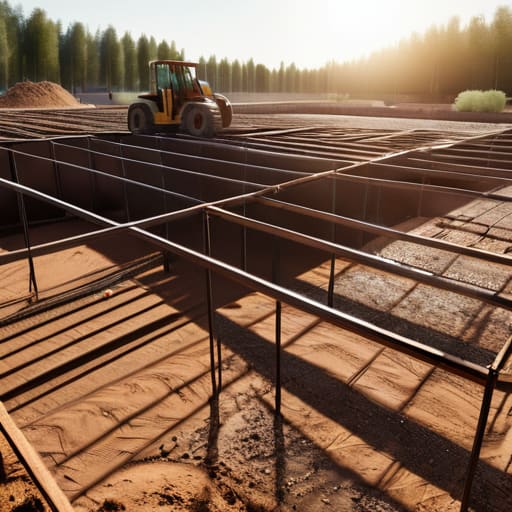
Before you even think about calling the plant for a delivery, you need to know what you’re actually sitting on. I’ve seen lads arrive on site with a full order of high-strength mix, ready to go, only to realize the ground underneath is nothing more than glorified sponge. You can talk all you want about structural load distribution, but if that ground can’t hold the weight, all that concrete is just a heavy blanket sinking into the mud. A raft is designed to spread the load across the whole footprint, but that only works if the soil bearing capacity is understood before the first shovel hits the dirt.
If you’re debating between a mat foundation vs strip foundation, the decision shouldn’t be based on what’s cheapest or easiest to form up. It’s about the ground. If you’ve got soft spots or varying strata, a raft is your best bet for differential settlement prevention, essentially letting the slab bridge those weak patches. But don’t get it twisted: a raft isn’t a magic wand that fixes bad ground; it just manages the failure more gracefully than a strip footing would.
Mat Foundation vs Strip Foundation Choosing Your Battle
Now, you’ll hear people tossing around the terms mat foundation vs strip foundation like they’re interchangeable, but they aren’t. If you’re building on solid, predictable ground, a strip foundation is your bread and butter—it’s straightforward, you dig your trenches, you pour your footings, and you move on. But the moment that soil starts acting up, or the weight of the build starts getting heavy, you stop looking at strips and start looking at a mat. A mat foundation isn’t just a bigger slab; it’s a way to spread the entire weight of the structure across the whole footprint of the building.
The real reason we switch to a mat is for differential settlement prevention. I’ve seen plenty of houses crack down the middle because one side of the building sat on a bit of soft clay while the other sat on stone. A strip foundation can’t stop that. A mat, however, acts like a giant stiff plate that forces the whole building to move as one single unit. You’ll end up with a much heavier concrete slab thickness, and it’ll cost you more in material, but it’s the only way to sleep at night when the ground underneath is anything less than perfect.
Five Things They Don't Tell You in the Design Manual
- Stop obsessing over the mix and start obsessing over the sub-base. I’ve seen lads ready to call the ready-mix truck while the hardcore underneath was still uneven and loose. If that sub-base isn’t compacted until it’s solid as a rock, your raft is nothing more than a very expensive floating cracker waiting to snap.
- Watch the water like a hawk. I can’t tell you how many times I’ve seen a driver—or a site foreman trying to save a bit of elbow grease—toss an extra bucket of water into the drum to make it “flow better.” You’re not making it easier; you’re just diluting the strength and inviting cracks to show up in six months.
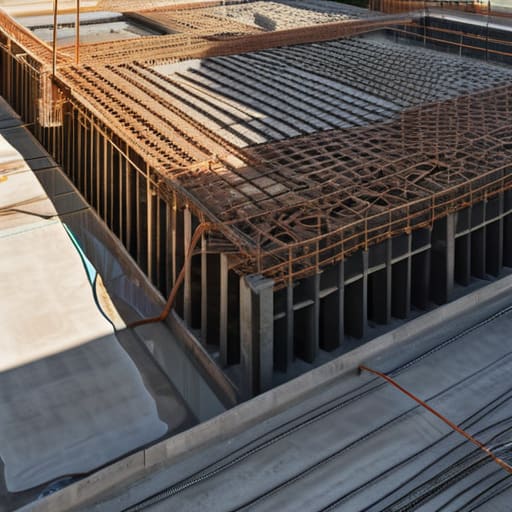
- The reinforcement isn’t just for show; it’s the skeleton. In a raft, the steel has to be exactly where the engineer says it should be. If your lads are letting the rebar sit on the mud or bunching it up in the wrong corner, you’ve lost the battle before the concrete even hits the ground.
- Don’t ignore the weather report. If you’re pouring a big raft and the sun comes out and bakes it, or a sudden wind picks up, you’re going to get shrinkage cracks. You need to have your curing membranes or your wet burlap ready to go the second the finishing is done.
- Plan your joints before you even break ground. A raft is a massive, rigid slab, and physics is going to try and tear it apart. If you haven’t planned exactly where those control joints are going to live, the ground will pick the spots for you, and you won’t like the look of them.
The Bottom Line on Raft Foundations
At the end of the day, a raft foundation isn’t some magic slab that can float on top of a swamp; it’s a calculated way to spread a building’s weight across a surface that’s actually prepared. We’ve talked about why you can’t just ignore the soil bearing capacity and why choosing between a mat and a strip foundation is a decision made in the dirt, not on a drawing board. If you get the sub-base wrong, or if you let a driver add too much water to the mix just to make it “workable” on a hot afternoon, you’ve already lost the battle. You can have the most expensive reinforcement in the world, but if the ground underneath isn’t solid and uniform, that raft is nothing more than a very expensive way to watch a house crack.
My advice to anyone starting a new build is simple: don’t get blinded by the sight of the concrete trucks arriving. That’s the part that looks like progress, but the real work—the honest work—happened days ago when you were compacting the hardcore and checking your levels. Treat the preparation with more respect than the pour itself. If you respect the sequence, respect the weather, and most importantly, respect the ground, your foundation will still be sitting there perfectly level long after the people who cut corners have moved on.
Frequently Asked Questions
If the ground is shifting, how do I know if a raft is actually going to bridge the gap or if it's just going to crack right along with the soil?
Look, a raft isn’t a magic carpet. If the soil underneath is washing away or shifting like wet sand, that slab is going to snap just like anything else. A raft works by spreading the load, but it only “bridges” a gap if the void is small and the slab is thick enough with the right reinforcement to act as a single unit. If you’ve got massive subsidence, you aren’t building a foundation; you’re just building a very expensive crack.
How much do I actually need to worry about the reinforcement steel layout versus just getting the concrete mix right?
Listen, if you’re asking that, you’ve already got your priorities skewed. A perfect mix is useless if your steel is sitting in the mud or bunched up in a corner. If that mesh isn’t lifted into the right position with proper spacers, it’s just expensive scrap metal doing nothing for the tension. You can have the finest grade concrete in the country, but if the reinforcement isn’t exactly where the engineer intended, the slab’s going to crack.
At what point do I stop trying to fix the sub-base and just accept that I need a raft foundation to save the build?
You stop when you’re spending more on imported hardcore and compaction than you would on the extra concrete for a raft. If you’ve dug out, replaced, and rolled that sub-base twice and the ground still feels like it’s breathing under your boots, stop digging. You can’t out-engineer bad soil with more stone. At that point, stop fighting the earth and start spreading the load. A raft isn’t a defeat; it’s common sense.