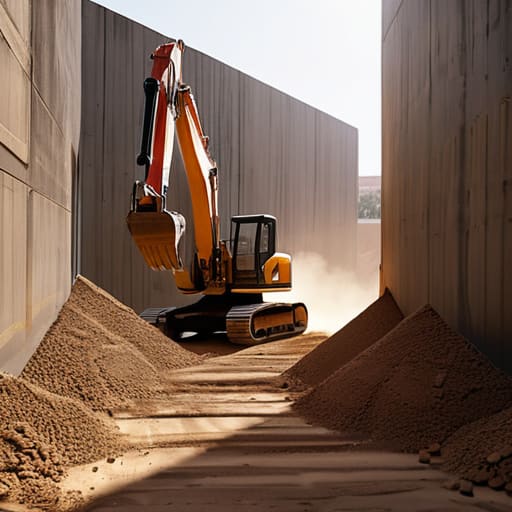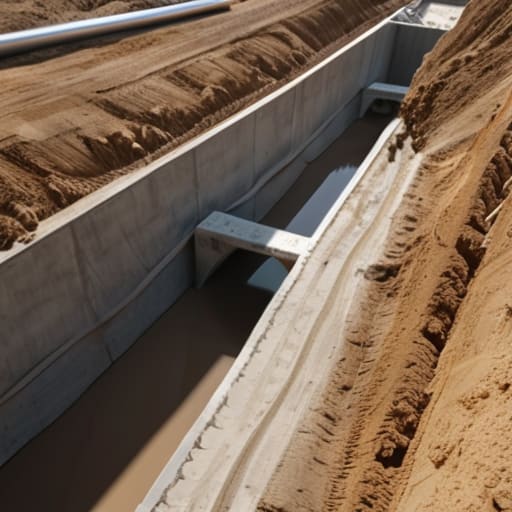
I remember standing on a site in the Midlands back in ’94, watching a lad try to explain to a homeowner why their new extension was sinking. He was talking about “structural load-bearing capacities” and “engineered mix ratios,” but I could see the truth from ten yards away: they’d poured a massive trench fill without even checking if the bottom was firm or if the clay was holding water. People get so caught up in the fancy technical jargon that they completely forget the basics of how trench fill foundations work. You can buy the most expensive, high-spec concrete mix on the market, but if you’re pouring it into a muddy, unstable trench that hasn’t been properly prepared, you aren’t building a house—you’re just burying a mistake.
I’m not here to give you a textbook lecture or some glossy brochure version of construction. I’m going to tell you what actually happens when the shovel hits the dirt and the mixer starts turning. We’re going to strip away the nonsense and focus on the real work: the excavation, the sub-base, and the sequence that keeps a house from moving an inch. If you want to understand the guts of the job, I’ll show you how to do it right the first time.
Table of Contents
The Foundation Excavation Process Respecting the Soil
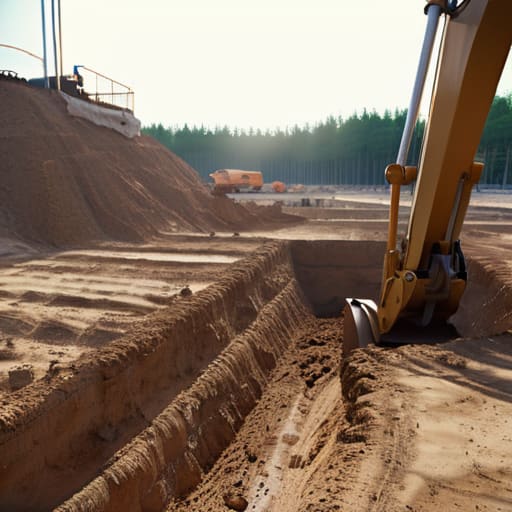
Before you even think about calling the mixer, you need to look at what you’ve actually dug out. I’ve seen lads rush through the foundation excavation process just to get the machine moving, but if you’re digging into soft clay or loose silt without understanding the soil bearing capacity, you’re just burying a disaster. You aren’t just making a hole; you are preparing a bed. If that trench floor isn’t firm, clean, and free of standing water, that concrete is going to settle unevenly, and no amount of high-strength mix will save you from the cracks that follow.
When you’re deciding between trench fill vs strip foundations, remember that trench fill is forgiving only if the excavation is spot on. You can’t have loose soil sloughing off the sides into your trench while you’re waiting for the pour. I always tell my crew: if the sides of that trench aren’t stable, you haven’t finished the job. You need to ensure the bottom is compacted and solid. If you skip the prep and go straight to the pour, you aren’t building a house; you’re just gambling with the ground.
Soil Bearing Capacity Why the Ground Dictates Everything
Now, before you even think about calling for a mixer, you need to understand one thing: the concrete is just a passenger. It’s sitting there waiting for the ground to tell it what to do. People get caught up in the math of soil bearing capacity, but I’ve seen plenty of “perfect” calculations fail because the lad on the ground didn’t notice the soil turned to soup after a week of rain. If that ground can’t hold the weight, it doesn’t matter if you’ve poured a meter of high-strength mix; that foundation is going to move, and once it moves, you’re just looking at a very expensive way to crack a house in half.
I’ve seen lads try to argue that trench fill vs strip foundations is just a choice of volume, but it’s actually a choice of how much you’re trusting the earth. With a trench fill, you’re filling a massive void, which can be a godsend on poor ground, but only if you’ve actually verified what’s at the bottom of that hole. You can’t just pour over soft spots and hope for the best. If the soil is compressible, the concrete is compromised. You have to respect the ground, or the ground will eventually reclaim your work.
Five Things You Can’t Afford to Get Wrong
- Watch the weather like a hawk. If you’re pouring a deep trench fill and a sudden downpour turns your excavation into a soup of mud and standing water, stop. You cannot pour into a puddle. If that water gets mixed into your concrete, you’ve just watered down your strength before the truck even unloads, and you’ll be paying for it in cracks three years down the line.
- Mind the depth and the “plug.” Trench fill isn’t just about filling a hole; it’s about ensuring the concrete reaches the solid, load-bearing strata you identified during excavation. If you stop short or if the bottom of that trench has been compromised by shifting soil, you aren’t building a foundation—you’re building a very expensive way to sink a house.
- Stop the temptation to add water on-site. I’ve seen it a thousand times: the lads find the mix is a bit stiff, so they grab the hose to make it “workable” for the pour. That’s a rookie mistake. Adding water to a design mix ruins the water-cement ratio. You want a mix that’s easy to place, not a mix that’s been diluted into weakness just to save ten minutes of shovelling.
- Don’t skip the reinforcement check. People treat rebar like an afterthought, but in a trench fill, those steel cages are what give the concrete its backbone against movement. Ensure your cages are positioned exactly as specified—not slumped against the side of the trench or buried too deep in the bottom. If the steel isn’t where it’s supposed to be, the concrete is just heavy stone.
- Respect the curing time. Once that concrete is in, the job isn’t done. You can’t just walk away and assume it’s set because it feels hard to the touch. If it’s a hot day, you need to keep it moist; if it’s freezing, you need to protect it. If you let it dry out too fast or let the frost get into it too early, the internal structure is compromised before the first brick is even laid.
Don't Get Cocky When the Truck Arrives
At the end of the day, trench fill isn’t some magic trick where you just dump wet stone into a hole and hope for the best. If you’ve done your job right, you haven’t spent your time worrying about the mix design as much as you’ve spent it worrying about the trench walls and the integrity of that sub-grade. You’ve checked the soil, you’ve cleared out the loose muck, and you’ve ensured that the excavation isn’t going to collapse the moment the first load hits the bottom. If you skip the prep and try to make up for it with a higher grade of concrete, you’re just pouring money into a sinking ship. A solid foundation is built from the bottom up, and if the base is rubbish, the rest is just decoration.
I’ve seen enough cracked slabs and shifting walls to know that the real work happens when nobody is watching—in the dirt, in the mud, and in the quiet hours before the pour begins. Don’t be the lad who tries to shave ten minutes off the excavation just to get the concrete scheduled; that’s how you end up with a call from a lawyer or a homeowner ten years down the line. Do it right, respect the ground you’re standing on, and build something that actually lasts. There’s a quiet pride in knowing that what’s underneath the floor is just as perfect as what’s on top of it.
Frequently Asked Questions
How much depth do I actually need to dig to hit something solid, and what happens if I hit soft spots halfway down?
You don’t just dig until you hit something hard; you dig until you hit something consistent. If you’re looking for a magic number, you’re already asking the wrong question. Depth depends on your site survey, but if you hit a soft pocket halfway down, you stop immediately. You don’t pour over it and hope for the best. You dig it out, replace it with compacted hardcore, and build your way back up to a solid base.
If I'm pouring a deep trench, how do I stop the concrete from segregating or sinking before it sets?
Listen, if you’re staring down a deep trench, the biggest mistake is thinking you can just dump it in like a hole in the garden. You can’t. If you drop it from too high, you’ll split the aggregate from the paste—that’s segregation, and it’s a death sentence for your strength. You need to pour in controlled layers, or ‘lifts.’ Don’t just let it plummet; manage the drop and keep the mix consistent so it stays a solid mass, not a layer cake of gravel and sludge.
When do I decide to stop using trench fill and switch to a strip foundation or something more substantial?
You stop when the ground starts playing games. If you’re digging and hit soft clay, running peat, or anything that feels like sponge, forget the trench fill. If the trench keeps getting deeper just to find something solid, you’ve lost the battle. That’s when you stop pouring concrete into a hole and start looking at strip foundations or piles. Don’t try to “bulk out” a bad sub-base with more mix; you’re just burying a mistake.