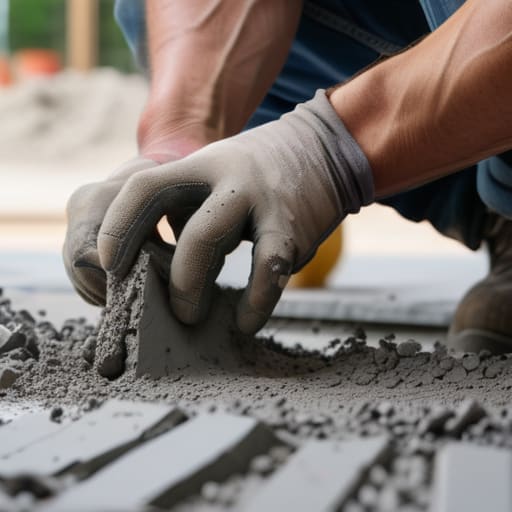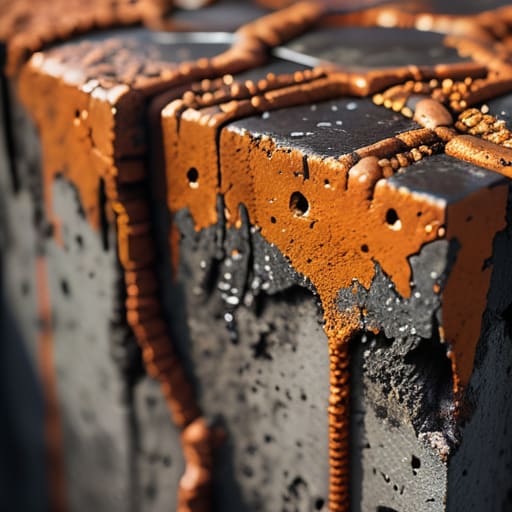
I remember standing on a site in the Midlands back in ’98, watching a lad try to pour a standard driveway mix onto a slab that was sitting right next to a coastal salt-spray zone. He thought because the concrete looked “strong enough” in the drum, he was golden. He didn’t give a damn about how exposure classes affect mixes, and three months later, the surface was scaling off like old paint. People think they can just order “standard concrete” and call it a day, but that’s a bloody expensive mistake. You can’t just ignore the environment and hope for the best; the weather and the surroundings have already decided if that slab is going to last ten years or ten weeks.
I’m not here to give you a university lecture or hide behind fancy spreadsheets. I’m going to tell you exactly what happens when you get these classes wrong and, more importantly, how to get them right. We’re going to strip away the jargon and look at the real-world consequences of your mix design. By the time I’m done, you’ll understand why the environment dictates the recipe, and you’ll know how to ensure your pour doesn’t become a expensive repair job for the next bloke.
Table of Contents
Environmental Exposure Conditions Why Your Site Is Against You
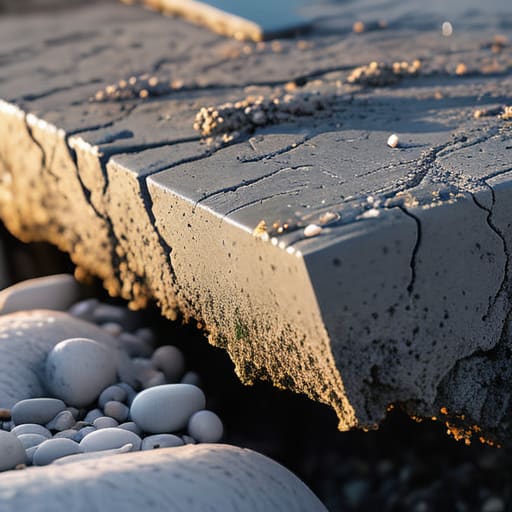
You can pick the finest aggregate and the most expensive cement in the catalog, but if you don’t respect the environmental exposure conditions on your site, you’re just throwing money into a hole. I’ve seen it a thousand times: a lad gets a decent mix delivered, but he’s pouring a driveway right next to a coastal road where the salt spray is constant, or a slab in a farmyard where the runoff is full of chemicals. If you haven’t looked at the specific exposure class, you aren’t building a foundation; you’re building a ticking time bomb.
The environment is constantly trying to find a way into your slab. Whether it’s salt, frost, or chemicals, they all use the same route: through the tiny pores in the concrete. This is where the water-cement ratio impact becomes your biggest headache. If your boys start adding water to the drum on-site because the mix feels a bit stiff, they are essentially opening the doors for the environment to walk right in. You increase the permeability, and you’ve just guaranteed that your service life will be half of what it should be.
Concrete Durability Requirements Planning for the Long Haul
Now, you can’t just look at a job and think about how it looks on day one; you’ve got to think about how it’s going to look in fifteen years. That’s what the concrete durability requirements are actually about. It’s about predicting the war the slab is going to fight against its surroundings. If you’re pouring a driveway in a coastal area, you aren’t just fighting rain; you’re fighting salt. If you’re on a site with aggressive soil, you’re looking at sulfate attack prevention or you’ll be digging out a crumbled mess in a decade.
The real secret to making a mix last is controlling the pores. This is where the water-cement ratio impact comes into play. Every extra gallon of water a lad splashes into the drum to make it easier to spread is just creating a highway for chemicals to get inside. High water content means high permeability, and high permeability means your service life is cut in half. You want a tight, dense mix that keeps the bad stuff out, not a porous sponge that invites it in.
Five Things the Mix Design Won't Tell You If You Aren't Looking
- Don’t let the lad on the pump add water just to get it flowing. If you’re working an exposure class that requires a low water-to-cement ratio for durability, adding a splash of water to make the pour “easier” is the quickest way to turn a high-spec mix into a porous sponge that’ll crumble in two years.
- Watch the salt. If you’re pouring near a coastal road or anywhere they’ll be throwing grit and salt on it in winter, your exposure class is going to demand a much tighter mix. If you don’t get that chloride resistance right from the start, those salts will find their way into the steel and blow the concrete apart from the inside out.
- Freeze-thaw cycles aren’t a suggestion; they’re a threat. If your site is in a frost-prone area, your mix needs the right air entrainment. You can have the best aggregate in the world, but if those microscopic air bubbles aren’t there to give the freezing water somewhere to go, the surface will scale off like old paint.
- Chemical exposure isn’t just for laboratories. If you’re pouring in a commercial yard or anywhere with oils and chemicals running off, you need to check your class requirements twice. A standard mix might look fine on day one, but the wrong chemistry will eat through your slab before the first year’s maintenance is even due.
- The weather doesn’t care about your schedule. If the exposure class calls for a specific curing regime to prevent shrinkage cracks, you’d better have your covers and sprays ready before the truck even pulls up. A high-performance mix is useless if you let it dry out too fast under a hot sun or a biting wind.
Don't Blame the Truck When You've Ignored the Environment
At the end of the day, choosing your mix isn’t about picking the most expensive recipe from a catalogue; it’s about reading the site before the first shovel hits the dirt. If you ignore the exposure class, you’re essentially setting a timer on how long it takes for that slab to crumble. You can have the highest grade cement in the world, but if you’re pouring in a salt-heavy coastal zone or a freeze-thaw environment without the properly specified additives and water-cement ratio, you’ve already lost the battle. It comes down to the basics: respect the environment, match your mix to the specific exposure risk, and for heaven’s sake, stop trying to save a few quid on the mix design only to spend ten times that amount fixing cracks three years down the line.
I’ve seen too many lads try to cut corners because they think the concrete will just “do its job” regardless of the conditions. It won’t. Concrete is a living, reacting thing, and it will take every bit of punishment the weather throws at it if you haven’t given it the right tools to fight back. Do the work properly the first time. Get the sub-base right, get the exposure class right, and treat the curing process with the respect it deserves. If you do that, you aren’t just pouring a slab; you’re building something that will actually stand the test of time.
Frequently Asked Questions
If I'm pouring a slab in a driveway, do I really need to worry about salt spray, or is that just for industrial sites?
Listen, if you’re pouring a driveway, you’re not just pouring concrete; you’re pouring a target for every grit bin in the county. You think it’s just for industrial sites? Think again. The moment that salt hits a slab, it’s looking for a way in. If your mix isn’t right for that exposure, the salt will find every tiny pore and start eating the structure from the inside out. Don’t be lazy.
Can I just use a higher strength mix to make up for picking the wrong exposure class?
Listen, I’ve heard that one more times than I’ve had a decent pint. It’s a trap. You think you can just throw a C40 instead of a C30 and call it a day? It doesn’t work like that. Strength is about load; exposure is about chemistry. If you’ve picked a mix that lacks the right cement type or water-to-cement ratio for the environment, that extra strength won’t stop the salts or frost from eating the slab from the inside out.
How do I know if the weather on the day of the pour is going to push my mix into a different exposure category than what I planned for?
Look, you can’t just check the forecast and call it a day. If you planned for a standard mix but the wind picks up and starts sucking the moisture out of the surface, or if the temperature drops and you’re looking at a frost risk, you’ve just changed the game. You aren’t just pouring concrete anymore; you’re fighting the elements. If the conditions shift, your mix is no longer protecting itself—it’s just sitting there dying.