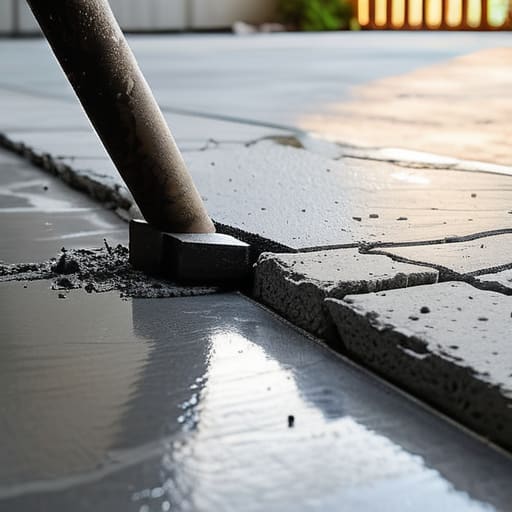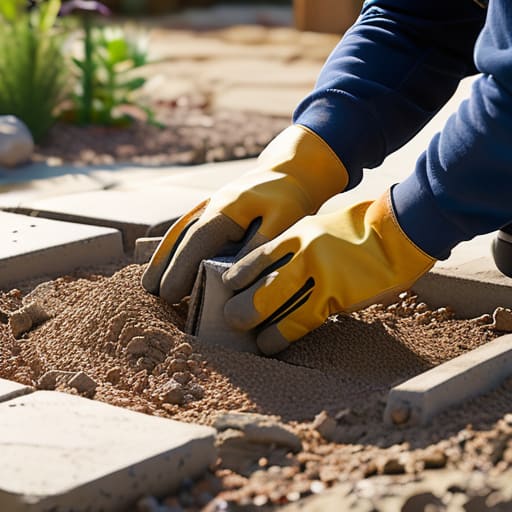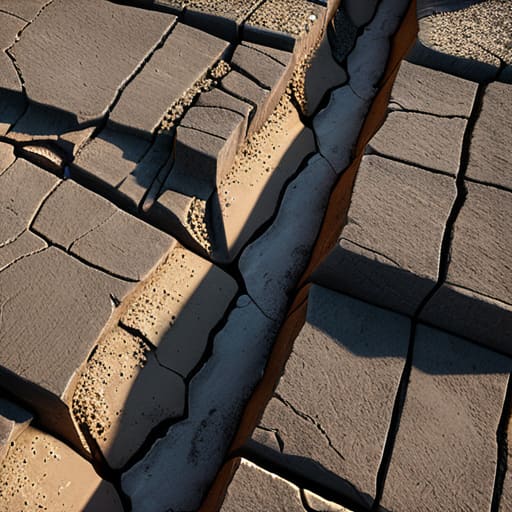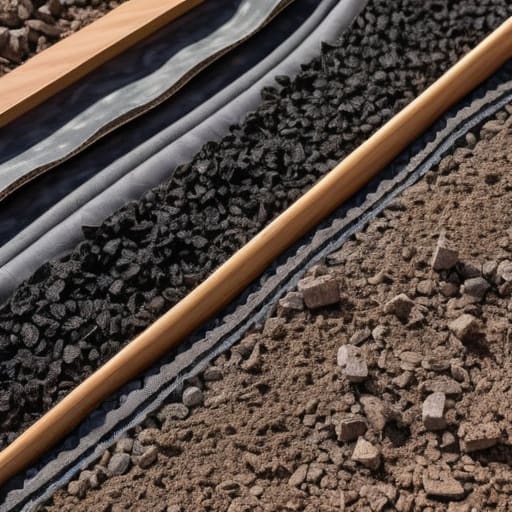
I remember standing on a site in the Midlands back in ’98, watching a lad spread a massive, expensive layer of Type 1 aggregate over a patch of pure, soft muck. He thought he was being clever, but he was just building a very expensive way to sink into the earth. People spend a fortune on the fancy concrete mix and the latest vibrating screeds, but they completely ignore the science of how geotextiles are used to actually keep the ground from swallowing their hard work. They treat it like an afterthought—some bit of plastic to throw down when the weather turns—rather than the only thing standing between a solid slab and a cracked, uneven mess six months down the line.
I’m not here to give you a lecture from a textbook or sell you on some high-tech nonsense you don’t need. I’m going to tell you exactly how this stuff works in the real world, from separating sub-grades to managing drainage, without the marketing fluff. If you want to understand the practical reality of how geotextiles are used to build a foundation that actually stays put, you’ve come to the right place. I’ll show you where to spend your money and, more importantly, where you’re just throwing it into the mud.
Table of Contents
Soil Reinforcement Techniques That Hold the Line
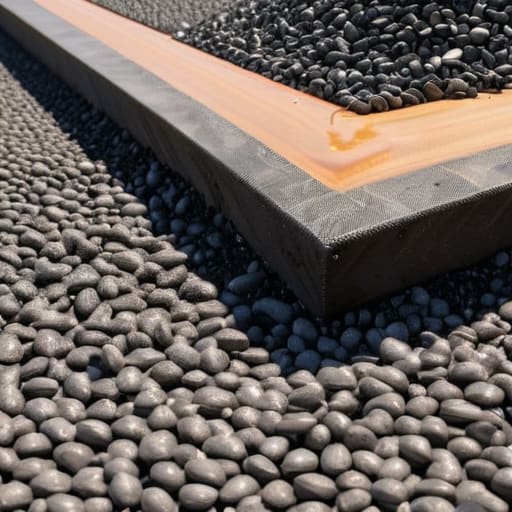
Now, when we talk about actual soil reinforcement techniques, most people think you just throw some gravel down and hope for the best. That’s a mistake that’ll cost you a fortune in crack repairs five years down the line. What you’re really looking for is a way to turn a soft, shifting mess of dirt into a stable platform that won’t move when the weight hits it. By using a heavy-duty geotextile, you aren’t just laying a sheet; you are creating a tension membrane. It spreads the load out across a wider area, meaning the pressure from your slab or your road doesn’t just punch straight through the soft spots.
If you’re working on anything more serious than a garden path—I’m talking about road construction geotextiles or heavy hardstanding—you need to understand that the fabric is doing the heavy lifting before the first truck even arrives. It locks the aggregate in place so your sub-base doesn’t migrate into the soft subgrade. Without that separation, your expensive crushed stone ends up buried in the mud, and you’re left with a foundation that has all the structural integrity of a sponge.
Road Construction Geotextiles Stopping the Sink Before It Starts
Now, if you’re working on a road, you aren’t just laying tarmac; you’re building a platform that has to survive thousands of tons of moving weight and every bit of rain that comes its way. I’ve seen plenty of road projects start to look like a sponge after just two winters because the lads thought they could skip the proper separation. That’s where road construction geotextiles come in. You aren’t just throwing a bit of cloth down for the sake of it; you’re creating a barrier that keeps your expensive sub-base aggregate from being swallowed up by the soft clay underneath.
If that sub-base and the subgrade start mixing, your structural integrity is gone before the first layer of asphalt even hits the ground. Using the right civil engineering geosynthetics means you’re ensuring the stone stays stone and the mud stays mud. It’s about keeping those layers distinct so the load actually distributes the way it’s supposed to. If you ignore the separation, you aren’t building a road—you’re just laying a very expensive, very temporary carpet over a swamp.
Five Things I’ve Learned About Not Wasting Your Money on Fabric
- Stop treating geotextiles like a magic carpet. It won’t fix a sub-base that’s been poorly compacted or a trench filled with wet muck. The fabric is there to separate and stabilize, not to perform miracles on a foundation that’s already gone to hell.
- Get the weight right or don’t bother. I’ve seen lads try to save a few quid by using a thin, flimsy sheet when they should have been using a heavy-duty non-woven. If you can see the aggregate through it before you’ve even started spreading, it’s likely too light for the job you’re doing.
- Watch your overlaps. You can have the best material on the market, but if you’re laying it down with tiny, insufficient overlaps, the ground is going to find those gaps. The soil will migrate through the seams, and before you know it, you’re looking at a localized dip in your slab.
- Don’t let the lads drive right onto the fabric. I can’t tell you how many times I’ve seen a truck or a digger track right over the uncompacted geotextile, tearing it or bunching it up. You lay it, you cover it with your aggregate, and then you move your heavy plant.
- Match the fabric to the soil, not the budget. If you’re working in soft clay, you need something that handles filtration differently than if you’re working in sandy grit. If you pick the wrong type of weave, you’ll end up with a clogged-up layer that stops drainage and turns your sub-base into a soup.
The Bottom Line Before the Truck Arrives
At the end of the day, whether you’re reinforcing soft soil or trying to stop a road from turning into a bog, the geotextile isn’t just an extra bit of kit—it’s your insurance policy. We’ve looked at how these fabrics separate your clean sub-base from the muck, how they spread the load so you aren’t digging deeper and deeper into a bottomless pit of mud, and how they keep your expensive aggregates from disappearing into the ground. You can spend a fortune on a high-spec concrete mix, but if you’ve let your sub-base mix with the silt because you were too cheap to lay down a membrane, you’re basically pouring money into a sinkhole.
I’ve seen too many lads try to save a few quid on the ground prep only to spend ten times that amount fixing a cracked slab five years down the line. Don’t be that person. Treat the stuff you can’t see with as much respect as the stuff you can. If you get the separation and the reinforcement right the first time, the rest of the job will practically take care of itself. Do it right, build it to last, and you won’t be the one getting the phone call at midnight when the ground starts to move.
Frequently Asked Questions
If I've already got a decent sub-base down, am I just wasting money by throwing a geotextile on top of it?
Look, I’ve seen plenty of lads think they’ve saved a few quid by skipping the fabric because the sub-base “looks solid.” Here’s the truth: a decent sub-base isn’t a permanent state; it’s a temporary one. Without that geotextile to act as a separator, the heavy aggregate you’re about to pour will eventually migrate down into the fines, and those fines will pump up through your clean stone. You aren’t wasting money; you’re buying insurance against a sinkhole.
How do I know if I need a woven fabric for strength or a non-woven one for drainage—or am I going to end up with a mess if I pick the wrong one?
Look, if you’re looking for strength—to stop the sub-base from shifting under a heavy load—you want a woven. It’s built to take the tension. But if you’re trying to stop water from building up and turning your site into a soup, you need non-woven. You pick the wrong one, and you’ve either got a slab that’s going to crack because the ground moved, or one that’s going to heave because the water had nowhere to go.
Once the fabric is laid and the stone is on top, how do I make sure it doesn't get punctured or shifted before the pour actually happens?
You don’t just chuck the stone on there and hope for the best. First, you spread your aggregate in thin, controlled lifts—don’t try to dump a whole load and drive over it, or you’ll tear that fabric like wet tissue paper. Use a light machine or hand-spread it to keep the pressure even. And for heaven’s sake, watch your plant; if a heavy excavator starts dancing on uncompacted stone, that fabric is finished before the concrete even arrives.