I remember standing on a driveway in Surrey back in ’98, looking at a client who was absolutely convinced his expensive new block paving was “defective” because of a thick, white crust creeping across the surface. He wanted to rip the whole lot up and start again, blaming the manufacturer like it was some kind of magic trick. I just shook my head. People get so caught up in buying the most expensive sealer or the fanciest stone that they completely ignore the basics of how efflorescence forms. It isn’t some mysterious chemical failure or a bad batch of cement; it’s usually just the result of water carrying salts to the surface because someone didn’t bother to manage the drainage or the sub-base properly.
I’m not here to sell you a bucket of expensive chemicals or a miracle spray that’ll just wash off in the next heavy rain. I’ve spent forty-three years watching water move through stone and concrete, and I know exactly where the mistakes are made. In this post, I’m going to strip away the jargon and tell you the real reason that white powder is appearing on your masonry. We’ll look at the moisture, the salt, and the mistakes you made before the first stone was even laid, so you can actually fix the cause instead of just scrubbing the symptom.
Table of Contents
Capillary Action in Concrete the Silent Thief
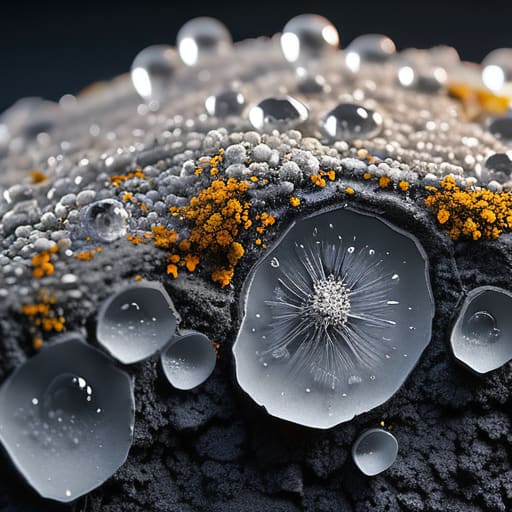
Think of your concrete like a sponge, even if it looks solid as a rock. It’s full of microscopic tunnels, and that’s where the trouble starts. What you’re actually seeing is capillary action in concrete at work. When water gets trapped inside the slab—usually because you didn’t get the sub-base right or the ground is holding onto too much moisture—it doesn’t just sit there. It starts a slow, relentless journey toward the surface. As that water moves through those tiny pores, it picks up minerals and salts along the way, acting like a delivery service for everything that shouldn’t be there.
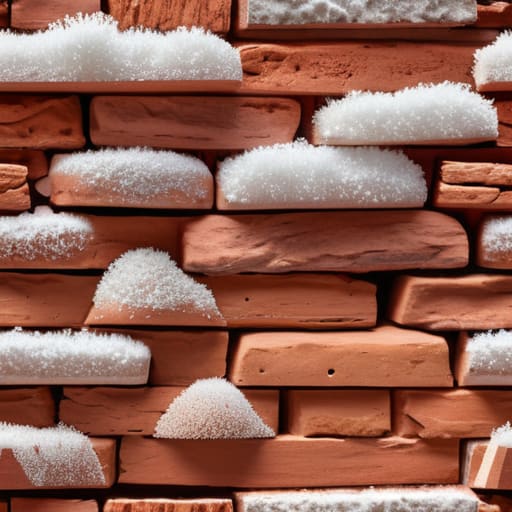
Once that water hits the air, the moisture evaporation process kicks in. The water turns to vapour and leaves the building, but it can’t take the minerals with it. That’s when you get those white, crusty patches. Now, if those salts crystallize right on the surface, you’ve got standard efflorescence. But if they decide to grow inside the pores instead, you’re dealing with subflorescence vs efflorescence, and that’s when the concrete actually starts to crumble from the inside out. It’s a silent thief, stealing the integrity of your pour before you’ve even had a chance to walk away.
Soluble Salt Crystallization and the Moisture Evaporation Process
Now, here is where the real trouble starts. It isn’t just about water moving through the slab; it’s about what that water is carrying with it. As the moisture begins its trek toward the surface, it picks up dissolved salts from the aggregate, the cement, or even the ground you didn’t prep well enough. This is the soluble salt crystallization phase. As the moisture evaporation process takes hold and the water hits the air, it vanishes, but it can’t take those salts with it. They get left behind, hitching a ride to the surface to form that white, crusty mess you see staring back at you.
But pay attention, because there’s a nasty version of this you don’t see until it’s too late. If those salts crystallize inside the pores rather than on the face, you’re dealing with subflorescence vs efflorescence. While efflorescence is just a surface nuisance you can brush off, subflorescence happens deep within the structure. The crystals grow inside the concrete itself, creating internal pressure that eventually causes the face to flake or spall right off. If you aren’t managing your drying rates, you aren’t just looking at a dirty slab—you’re looking at a failing one.
Five Ways to Stop the White Powder Before It Starts
- Sort your sub-base first. If you’re pouring on ground that’s holding onto moisture like a sponge, that water is going to find its way up through the slab eventually. You can have the best mix in the world, but if the ground underneath is weeping, your concrete will be too.
- Watch the water man like a hawk. I’ve seen too many lads on site seeing a stiff mix and thinking, “I’ll just add a splash of water to make it flow better.” That extra water is just fuel for efflorescence; it carries those salts straight to the surface the moment it evaporates.
- Don’t rush the curing. If you let the top of the slab dry out too fast while the bottom is still sodden, you’re inviting a salt migration party. Keep it damp and controlled so the whole mass dries at a steady pace, rather than letting the surface pull moisture up too aggressively.
- Check your aggregate and your mix. If you’re using cheap, unwashed sand or aggregate that’s sitting in a salty pile, you’re baking the problem right into the pour. You can’t fix bad ingredients once they’re mixed in.
- Mind your joints and sealing. If you’ve got cracks or poorly managed joints, you’re giving water a direct highway to get in and move those minerals around. A clean, well-defined joint is better than a slab that’s constantly drinking from the surrounding soil.
The Bottom Line on the White Dust
At the end of the day, if you’re staring at that white powder and thinking the mix was rubbish, you’re looking in the wrong direction. We’ve talked about how the water travels through the capillaries and how those salts crystallise once the moisture decides to make its exit, but the real lesson is about control. Efflorescence is just the concrete’s way of telling you that water is moving where it shouldn’t be, often because the sub-base was too damp or the curing process was rushed. You can’t stop the chemistry of salts, but you can certainly stop the uncontrolled migration of water that brings them to the surface in the first place.
I’ve spent forty-three years watching men try to scrub away the symptoms instead of fixing the cause. You can brush, wash, or acid-clean that surface until your arms ache, but if you haven’t sorted your moisture management and your substrate, that white dust will be back before the next season turns. Don’t be the bloke who spends his life chasing shadows on the surface. Do it right the first time—get your groundwork solid, manage your drying, and respect the water. If you respect the process, the concrete will respect you, and you won’t be calling me to tell me about a failing slab five years down the line.
Frequently Asked Questions
If I see that white powder, does it mean the concrete is actually crumbling or losing its strength?
Look, don’t go panicking and thinking your slab is turning back into sand just yet. If it’s just that white powder sitting on the surface, the concrete itself is usually still structurally sound. The salts are just hitching a ride on the water. However, if you see the surface actually scaling or flaking off like old skin, then you’ve got a real problem. That means the crystals are growing inside the pores, and that’s when they start pushing the concrete apart from the inside out.
Can I just wash the salt off the surface, or is it going to keep coming back every time it rains?
You can scrub it all you want, but you’re just fighting a symptom, not the cause. If you wash the surface and the moisture is still trapped in that sub-base or the slab itself, it’ll be back before the next heavy rain. It’s like mopping a floor while the tap is still running. Unless you fix the source of the water or the salt migration, you’re just wasting your Sunday afternoon.
How do I stop it from happening in the first place—is it a matter of changing the mix or fixing the ground underneath?
You’re asking the right question, but don’t go looking for a magic ingredient to throw in the mixer. Changing the mix is a band-aid on a broken leg. If you want to stop that white powder from appearing, you start with the ground. If your sub-base is holding moisture like a sponge, your slab is going to breathe it out. Get your drainage right, compact your sub-base properly, and stop letting water sit where it shouldn’t.