I remember standing on a site in the Midlands back in ’94, watching a lad try to patch up a massive diagonal crack in a garden wall with nothing but some fresh mortar and a bit of optimism. He thought he was fixing a masonry problem, but I could see the truth just by looking at the way the paving stones were tilting. People will spend thousands on specialist structural engineers and expensive resins, thinking they can fix the wall itself, but they’re missing the point entirely. They don’t realize that how subsidence affects masonry is rarely about the bricks or the mortar; it’s about the fact that the very earth they’re sitting on has decided to move, and no amount of fancy patching is going to stop a house from following the ground down.
I’m not here to sell you a magic fix or bury you in academic jargon that doesn’t mean a thing when you’re staring at a cracked lintel. What I’m going to do is tell you exactly what I learned over forty-three years of pouring slabs and digging foundations. I’ll show you why the real battle is won or lost in the dirt long before the first brick is even laid, and how you can spot a failing sub-base before it turns your home into a money pit.
Table of Contents
Soil Shrinkage and Expansion the Silent Killer Underneath
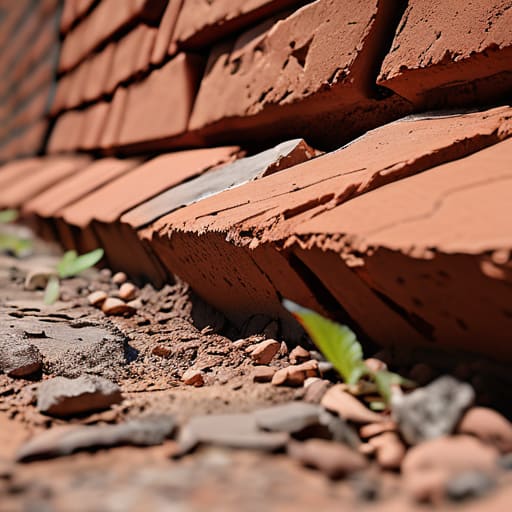
You can pour the best grade of concrete in the world, but if you’re building on clay, you’re essentially building on a sponge. I’ve seen it a thousand times: a homeowner calls me up, panicking about structural cracks in brickwork, thinking their house is falling down. Usually, it’s just the ground playing games. Clay is a fickle beast; it swells up when it gets wet and shrinks tight when it dries out. This constant cycle of soil shrinkage and expansion creates a moving target for your foundations. If that ground isn’t stable, your footings are going to move, and once they move, the masonry has no choice but to follow.
It isn’t just the weather, either. I’ve walked onto sites where a massive oak tree or a row of thirsty hedges was sucking every drop of moisture out from under a slab. That impact of vegetation on soil moisture is a silent killer. It dries out the clay unevenly, causing one side of your foundation to drop while the other stays put. By the time you see those cracks, the damage is already done.
Foundation Movement Signs Youre Ignoring Until Its Too Late
Most people wait until they see a massive fissure running from the window sill to the floor before they call me. By then, they aren’t looking for advice; they’re looking for a miracle. You need to stop looking at the surface and start looking for the early warning signs. If you notice small, diagonal cracks appearing near door frames or window lintels, that isn’t just “settling.” That is the house telling you the ground is shifting. I’ve seen plenty of homeowners ignore those tiny structural cracks in brickwork for years, thinking a bit of filler will solve the problem. It won’t. It’s just masking the fact that your footings are no longer on level ground.
Keep an eye on your doors and windows, too. If they start sticking or won’t latch properly, it’s rarely a hinge issue—it’s the frame twisting because the foundation is moving. You might even see gaps opening up where the brick meets the render. If you spot these foundation movement signs early, you might actually stand a chance at mitigating ground movement before the whole thing becomes a structural nightmare. Don’t wait for the cracks to get wide enough to stick a coin in.
Five Things You’re Getting Wrong Before the Cracks Even Show
- Stop looking at the mortar and start looking at the moisture. If you’ve got trees or heavy shrubbery right up against a wall, they’re sucking the life out of your soil like a straw. You can build the strongest brick wall in the county, but if those roots turn your sub-base into a dried-out sponge, that wall is going to shift. Manage your vegetation or prepare to patch cracks forever.
- Don’t trust a “level” surface if the sub-base hasn’t been compacted properly. I’ve seen lads pour a beautiful slab over loose, uncompacted hardcore just because they were in a hurry to get home. It looks fine for a month, then the weight of the masonry settles, the ground shifts, and suddenly your straight lines look like a mountain range. Compact it properly or don’t bother pouring at all.
- Watch the seasonal rhythm, not just the sudden breaks. Real subsidence isn’t always a one-off event; it’s often a slow dance between the wet and the dry. If you see cracks appearing every winter and closing up every summer, you’ve got a soil movement issue, likely clay. You can’t fix that with a bit of filler; you have to address why that ground is breathing.
- Check your drainage like your life depends on it. A leaking gutter or a broken underground pipe is basically an invitation for the ground to turn into mud. When you saturate one specific patch of ground under a foundation, you’re changing the structural integrity of the soil right under your feet. If the water isn’t going where it’s supposed to, your masonry won’t stay where it’s supposed to either.
- Respect the depth of your footings. You can’t just slap a shallow foundation down and hope for the best, especially if you’re working with clay or near sloping ground. If your footings aren’t deep enough to sit in stable, undisturbed soil, you’re just building on a moving target. If the ground is going to move, you need to be sitting deep enough that the movement doesn’t reach you.
Don't Blame the Bricks
Look, I’ve seen it a thousand times. People see a diagonal crack running through their brickwork and they start shouting about poor quality materials or bad mortar. They’re looking at the symptom, not the disease. We’ve talked about how the soil behaves like a sponge, expanding when it’s wet and shrinking when it’s dry, and how those subtle shifts in the foundation are what actually pull the house apart. If you don’t get the sub-base right and you don’t respect the ground you’re building on, you might as well be laying bricks on a pile of loose sand. You can use the finest masonry in the world, but if the foundation is dancing, your walls are going to break every single time.
At the end of the day, building something that lasts isn’t about the flashy finishes or the expensive cladding; it’s about the work you do where nobody can see it. It’s about the trenches, the compaction, and the patience to wait for the right conditions. Stop looking for the quick fix with some cosmetic filler and start looking at what’s happening beneath your feet. If you take the time to respect the ground, the rest of the build will stand the test of time. Do it right the first time, or don’t be surprised when you’re paying twice to fix it later.
Frequently Asked Questions
If I see a hairline crack in my brickwork, is it just a bit of settlement or is the ground actually moving under my feet?
Look, I’ve seen a thousand hairline cracks, and half the time they’re just the house finding its feet. If it’s thin as a thread and stays put, don’t lose sleep. But if that crack is stepping—following the mortar joints in a diagonal line—or if it’s widening every time it rains, that’s not settlement; that’s the ground moving. If the pattern is growing, the sub-base has failed you. Stop looking at the brick and start looking at the soil.
Can you actually fix a house once the foundations have started to shift, or is the whole thing a lost cause?
Look, don’t go tearing the whole house down just yet. Most of the time, it isn’t a lost cause, but you can’t just patch the cracks and hope for the best. You have to address the root—the ground. Whether that’s underpinning to deepen the footprint or injecting resin to stabilise the soil, you’re fixing the foundation, not the brickwork. If you don’t fix what’s underneath, you’re just putting a bandage on a broken leg.
Does the type of sub-base I used originally matter if I'm trying to stop new cracks from appearing?
Does it matter? It’s the only thing that matters. You can pour the highest grade concrete in the world, but if you laid a thin layer of sand or some rubbish MOT Type 1 over soft, uncompacted clay, you’re just decorating a disaster. Those new cracks are telling you the base is shifting. You aren’t fixing a masonry problem; you’re fighting a sub-base problem. If that foundation wasn’t built on a solid, compacted platform, you’re just chasing shadows.