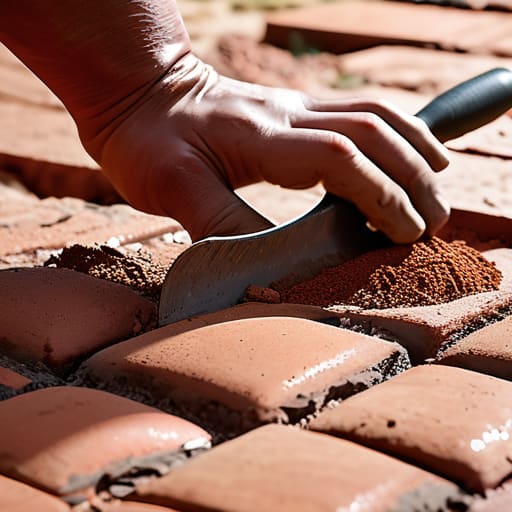
I’ve spent forty-three years watching lads buy the most expensive bagged mixes on the market, only to watch them crumble out of the joints six months later because they didn’t understand the basics. Everyone thinks a “complete guide to mortar” is going to be some fancy manual about chemical additives and high-tech polymers, but they’re looking in the wrong direction. Most of these “experts” will sell you a bag of gold dust, but they won’t tell you that if your bricks are bone-dry and sucking the moisture out of your mix like a sponge, that mortar is dead on arrival. It isn’t about the price of the bag; it’s about how that mix behaves when it hits the actual wall.
I’m not here to give you a lecture from a textbook; I’m here to tell you how it actually works when the wind is biting and the sun is trying to bake your work before you’ve even finished the course. This isn’t some glossy brochure—it’s the straight talk I’d give a lad on my own gang. I’m going to show you the real way to handle ratios, consistency, and environmental factors so you aren’t calling me in three years to ask why your masonry is falling apart.
Table of Contents
Cement vs Lime Mortar Choosing the Right Soul for the Structure
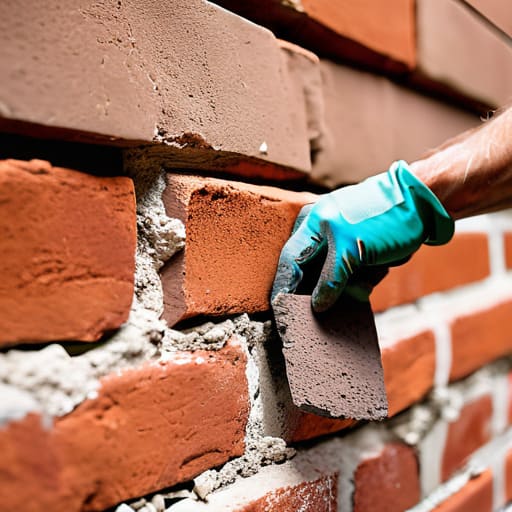
Now, listen. I’ve seen too many lads walk onto a site, grab a bag of cement, and think they’ve solved the problem. They treat it like a one-size-fits-all solution, but if you’re working on an old building with soft, reclaimed bricks, slapping a hard cement mix into those joints is a death sentence. You’ll end up with the brick faces snapping off because the mortar was stronger than the masonry itself. When you’re looking at cement vs lime mortar, you aren’t just picking a binder; you’re deciding how the whole structure is going to breathe.
Cement is your workhorse for modern, hard-fired bricks where you need strength and a fast set, but it’s unforgiving. If the building shifts even a fraction, that cement won’t budge, and the stress will find a way out—usually through a crack in your expensive brickwork. Lime, on the other hand, is more forgiving; it allows for slight movement and moisture evaporation. If you get your sand and cement proportions wrong on a modern build, you might be fine, but if you use that same rigid logic on a heritage wall, you’re asking for a massive headache down the line.
Sand and Cement Proportions the Math They Skip on Site
Listen, I’ve seen more walls crumble because of a “rough guess” than I have because of bad brickwork. On a busy site, there’s always that one lad who thinks he can eyeball the mix, throwing a shovel of cement in here and a bucket of sand there to save ten minutes. That’s how you end up with a wall that’s either too brittle or turns to mush the first time it gets a soaking. When we talk about sand and cement proportions, we aren’t just talking about numbers on a page; we’re talking about the structural life of that masonry.
For standard bricklaying mortar applications, you’re usually looking at a 1:4 or 1:5 ratio—one part cement to four or five parts sand. If you go too heavy on the cement, you’re making the mix too strong and rigid, which means it won’t breathe, and it’ll crack the very bricks you’re trying to lay. The strength of the mortar should never exceed the strength of the unit it’s holding. Get your mortar mixing ratios wrong, and you’re just building a future demolition job.
Five Things They Won't Tell You Until the Cracks Show Up
- Stop obsessing over the mix and look at your bricks first. If you’re slapping fresh mortar onto bone-dry, thirsty old masonry, that brick is going to suck the moisture right out of your joints before it’s even set. You’ll end up with a crumbly, sandy mess that’ll fall out with a thumbprint. Dampen them down properly or you’re just wasting your time.
- Watch the weather like a hawk, not like an afterthought. If it’s too hot, your mortar’s going to flash-dry and shrink; if it’s too cold, the chemical reaction won’t even start. I’ve seen lads try to push a job through a frost because they were behind schedule, and all they did was build a wall of expensive dust.
- Don’t go adding water to the tub just because the mix feels a bit stiff. I know, it’s easier to spread, but every extra splash of water you add to “make it creamy” is just weakening the bond and increasing the chance of shrinkage cracks. If it’s too dry, mix a fresh batch. Don’t cheat the strength.
- The way you mix it matters more than the recipe. If you’re just throwing it in a mixer and pulling it out the second it looks grey, you haven’t given it the time to actually marry together. You want a consistent, homogenous paste, not a collection of wet sand and grey lumps.
- Respect the curing time. Once the joints are pointed, leave it alone. I’ve seen too many youngsters running around trying to clean up or finish the face too early, or worse, letting it sit in the direct midday sun without any protection. Mortar needs a slow, steady hydration to get its strength—you can’t rush chemistry.
The Job Isn't Done When the Trowel Hits the Board
Look, if you’ve followed what I’ve said here, you know that a good mortar job isn’t just about grabbing a bag of cement and some grit and hoping for the best. You’ve got to respect the difference between a rigid cement mix and a breathable lime mortar, and you’ve got to get your proportions right before you even think about spreading it. If you ignore the chemistry or try to rush the mix to save ten minutes on a Friday afternoon, you’re just building a headache for yourself down the line. Remember: the sand quality, the water temperature, and the way you handle that mix in the bucket are what decide whether that wall stands for a century or starts crumbling before the season turns.
At the end of the day, anyone can slap some mud between two bricks, but not everyone can build something that lasts. There is a massive difference between a laborer who just fills gaps and a tradesman who understands how the materials actually behave under pressure. Don’t be the person who takes the shortcut just because it’s easier or faster. Take the time to prep your materials, check your environment, and do the job right the first time. If you respect the craft and the science behind the mix, your work will speak for itself long after you’ve packed up your tools and gone home.
Frequently Asked Questions
If I'm working on an old property with original brickwork, how do I know for sure if I need a lime mix or if I can get away with a modern cement blend without ruining the wall?
Look, if you use modern cement on old, soft bricks, you’re basically building a prison for them. Cement is too hard and too waterproof; it won’t let the wall breathe. When the moisture gets trapped, the brick ends up taking the hit, and you’ll see the faces popping off in a few seasons. If the mortar is crumbling like sand between your fingers, it’s lime. Don’t try to be clever with a hard mix—you’ll just ruin the masonry.
How can I tell if my mortar is going to fail during the curing stage just by looking at how it's behaving in the bucket?
If you’re looking at a bucket and seeing something that looks like soup, you’ve already lost. If it’s runny and sliding off your trowel like it’s got no backbone, someone’s added too much water to make it “workable.” That’s a death sentence. It’ll look fine for an hour, but once it sets, it’ll be weak and riddled with shrinkage cracks. You want a mix that holds its shape and has a bit of “grit” to it.
What's the right way to handle the weather—if it's freezing or if the sun is beating down—to make sure the mix doesn't dry out too fast and crack?
Listen, the weather is your biggest enemy, and most lads ignore it until the cracks appear. If the sun’s beating down, you’ve got to keep that moisture in; use shade cloths or a light spray to stop it drying out before it’s set. If it’s freezing, forget it—don’t pour. If the water in your mix freezes before it cures, you’ve just poured expensive gravel. Watch the temperature, not just the clock.