I’ve spent forty-three years watching men walk into holes thinking they’re invincible just because they’ve got a shiny new site manual and a high-vis vest. Most of these “experts” will hand you a complete guide to excavation safety that’s fifty pages of legal jargon designed to protect a corporation, not the bloke standing in the trench. They’ll talk about paperwork and checklists, but they won’t tell you how the smell of damp clay changes right before a wall starts to bulge, or how a heavy rain on a Tuesday makes a “safe” slope look like a death trap by Wednesday morning.
I’m not here to recite regulations that were written by people who haven’t had mud on their boots in a decade. What I’m going to give you is the real version—the stuff that actually keeps you breathing when the ground decides to move. We’re going to talk about soil stability, the weight of the machinery you’re parking too close to the edge, and why that “quick dig” is usually the most expensive mistake you’ll ever make. This isn’t a lecture; it’s a survival manual built on four decades of seeing exactly what happens when the ground gives way.
Table of Contents
Why Soil Classification Methods Matter More Than Your Equipment
I’ve seen lads turn up to a site with the most expensive hydraulic shoring money can buy, acting like they’re invincible because they’ve got shiny new gear. But let me tell you something: a top-of-the-line trench box won’t save you if you’ve shoved it into Type C soil thinking it’s stable Type A. You can buy every piece of kit in the catalog, but if you haven’t done a proper excavation site hazard assessment, you’re just putting expensive metal in a grave.
The gear is just a tool; the intelligence comes from knowing what you’re actually digging into. Most accidents don’t happen because the equipment failed; they happen because someone misread the ground. If you ignore proper soil classification methods, you’re essentially guessing with your life. You need to know if you’re dealing with cohesive clay or that loose, sandy rubbish that shifts the moment a heavy plant drives past the edge. You don’t build a house on a lie, and you sure as hell shouldn’t plan a dig without knowing exactly what that dirt is capable of doing when it gets heavy with moisture.
The Invisible Trap Conducting a Real Excavation Site Hazard Assessment
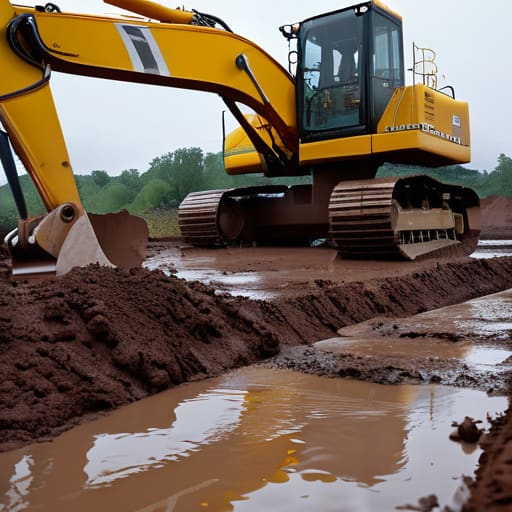
Most lads think a hazard assessment is just a tick-box exercise you do on a clipboard while the coffee is still hot, just to keep the inspector off your back. That’s your first mistake. A real excavation site hazard assessment isn’t about looking at the hole; it’s about looking at everything around the hole. I’ve seen men walk onto a site, look at a clean trench, and think they’re golden, completely ignoring the heavy plant idling ten feet away or the fact that the ground is saturated from a week of drizzle. If you aren’t looking at the vibration from the rollers or the weight of the spoil piles sitting too close to the edge, you aren’t assessing anything—you’re just guessing.
You need to stop treating trenching safety protocols like they’re suggestions and start seeing them as the only thing between you and a burial. It’s not just about the dirt; it’s about the utility lines you didn’t map, the sloping of the banks, and the way the soil behaves when the temperature drops. If your assessment doesn’t account for how the environment changes from sunrise to sunset, you’ve missed the trap entirely.
The Three Things That’ll Kill You Before the Concrete Even Arrives
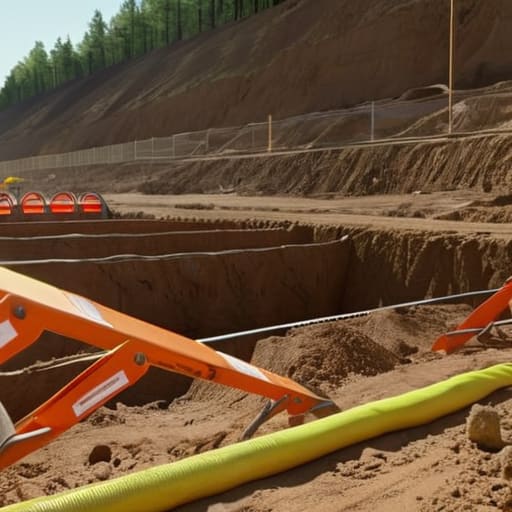
- Stop treating the spoil pile like a convenient storage spot. If you pile that excavated dirt right at the edge of the cut, you’re just adding weight to a system that’s already struggling to hold itself up. Keep your spoil at least two feet back from the lip, or you’ll be watching your trench walls slide right into the hole.
- Watch the weather like a hawk, not a bystander. A heavy rain might look fine when you finish for the day, but it turns a stable sub-base into a soup of mud and instability overnight. If the ground is saturated, you don’t just “check it”—you rethink the whole damn job before anyone steps foot in it.
- Your shoring isn’t a suggestion, it’s your lifeline. I’ve seen lads think they can skip the trench boxes because the soil “looks solid.” Soil is a liar. It looks solid until the moment it isn’t, and by then, you won’t have time to wish you’d put the timber in.
- Respect the utility maps, but don’t trust them blindly. They’ll tell you a pipe is three feet down, but the bloke who laid it forty years ago wasn’t using a tape measure. Hand-dig around any marked services; if you go in with a machine blindly, you’re looking for a disaster.
- Check your access like you check your mix. If a man has to climb up the side of a trench wall to get in or out, you’ve already failed. You need ladders or ramps every 25 feet or so. If the exit is blocked or too steep, you’re just digging yourself a grave with a better view.
The Dig is Won Before the Machine Starts
Look, you can buy the most expensive shoring systems and the flashiest excavators on the market, but they won’t save you if you’ve ignored the basics. We’ve talked about why you can’t just guess the soil type and why a “quick” hazard assessment is a death sentence if you aren’t actually looking for the signs of shifting ground. Safety in an excavation isn’t about checking a box on a clipboard once a week; it’s about understanding that the ground is alive and constantly changing under your feet. If you haven’t respected the sub-surface or accounted for the weather, you aren’t running a site—you’re running a gamble, and the house always wins when it comes to gravity.
At the end of the day, my job—and yours—is to make sure everyone goes home with the same number of limbs they arrived with. I’ve seen too many young lads think they can outsmart a trench by working a little faster or skipping a brace because “it looks solid enough.” It never is. Real professionals don’t pride themselves on how fast they can dig; they pride themselves on the integrity of the hole. Do the prep work, respect the soil, and never, ever let a shortcut become your legacy. Build it right, or don’t dig it at all.
Frequently Asked Questions
If the ground looks solid and hasn't rained in a week, do I really need to spend the time testing the soil type, or can I just get on with the dig?
If you think dry ground is safe ground, you’re asking for a disaster. I’ve seen men get buried in soil that looked like sun-baked brick, only for a bit of condensation or a change in the water table to turn it into soup overnight. “Looking solid” isn’t a classification. If you don’t know if you’re digging in Type A clay or a loose, sandy silt, you aren’t digging—you’re gambling. And the ground always wins.
When is a trench actually deep enough that a standard shoring kit becomes non-negotiable, regardless of how "steady" the sides look?
Look, I don’t care if the sides look as solid as a brick wall; once you’re hitting 1.2 metres, you’re playing a dangerous game. I’ve seen “steady” clay hold up for an hour and then turn into soup the second the weather shifts or a heavy plant drives past the edge. If you’re deeper than 1.2 metres, you stop guessing and you get the shoring in. The ground doesn’t give warnings; it just gives way.
How do I know if the vibration from nearby heavy machinery or road traffic is going to turn my carefully assessed sub-base into a liquid mess halfway through the job?
You don’t “know”—you watch for the signs. If you’ve got heavy rollers or a main road nearby, that vibration is shaking the life out of your compaction. If you see the sub-base starting to “pump” or bounce under your boots, you’ve already lost. The vibration is liquefying the fines and turning your solid foundation into soup. If it’s moving, stop. You can’t pour over a dancing sub-base and expect it to stay still.