I’ve lost count of how many times I’ve stood on a driveway that’s already spider-webbed with cracks, listening to a homeowner explain how they saved three hundred quid by picking the cheapest lad in the book. They think they’re being savvy, but they’ve fallen for the oldest trick in the book: a quote that looks great on paper because it leaves out everything that actually matters. If you’re sitting there staring at three different pieces of paper, trying to figure out how to compare paving quotes based solely on the total price at the bottom, you’re already losing the game. A low bid usually isn’t a bargain; it’s a warning sign that someone is planning to skip the sub-base or cut corners on the compaction.
I’m not here to give you some polished, corporate checklist that sounds like it came out of a brochure. I’m going to tell you exactly what to look for in those quotes so you don’t end up paying for the same job twice. We’re going to talk about the stuff the salesmen won’t mention—the hidden costs of poor preparation and the specific details that separate a professional outfit from a cowboy with a shovel. I’ll show you how to read between the lines so you can hire someone who does the job right the first time.
Table of Contents
Why the Real Driveway Installation Costs Hide Under the Dirt
You’ll see a quote that looks a damn sight better than the bloke down the road, and your first instinct is to sign on the dotted line. Hold your horses. Most of those savings are an illusion because they haven’t accounted for what’s happening beneath the surface. I’ve spent forty years watching “bargain” driveways sink into the mud two seasons later because the contractor skipped the heavy lifting. When you’re looking at driveway installation costs, you aren’t just paying for the pretty stones you see at the end; you’re paying for the sweat and the stone that keeps them level.
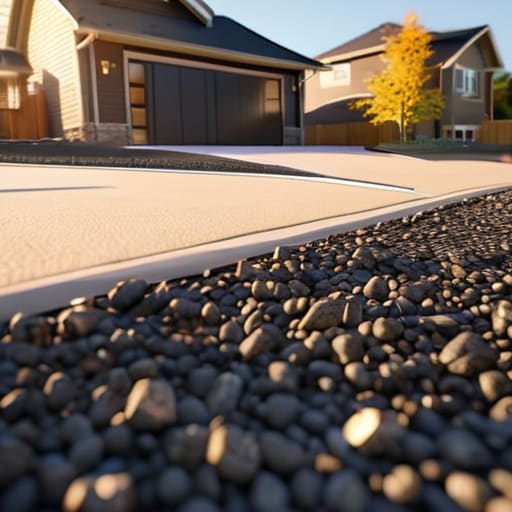
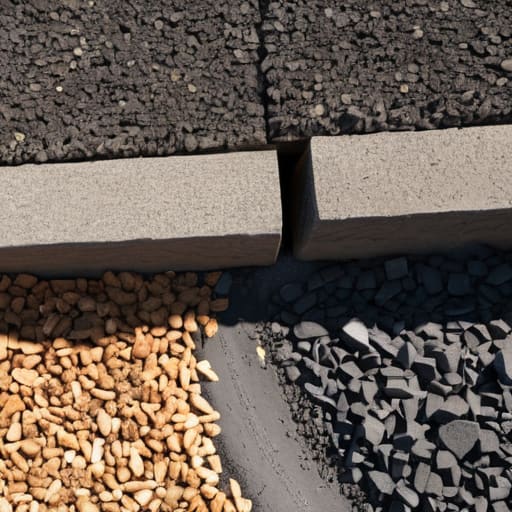
If a quote doesn’t explicitly detail the depth of the MOT Type 1 or the compaction method, they are cutting corners. That’s where the hidden costs in landscaping quotes actually live—in the extra money you’ll spend fixing a slumped driveway in three years’ time. A proper paving project scope of work should tell you exactly how much sub-base they’re bringing in and how they intend to prep it. If they can’t tell you that, they aren’t giving you a price; they’re giving you a gamble.
A Paving Contractor Checklist for the Sub Base Preparation Standards
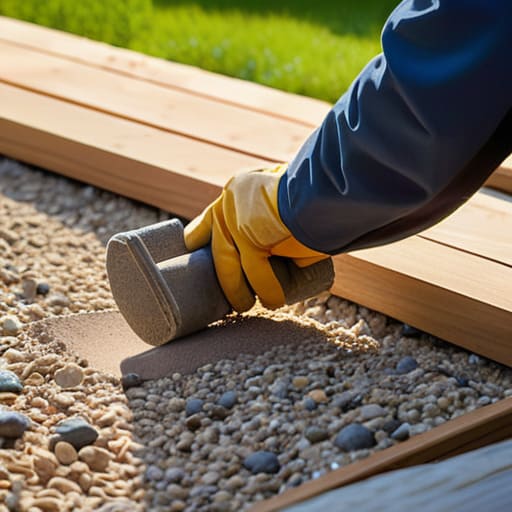
When you’re looking over a contract, don’t just look at the finished surface. If the quote doesn’t explicitly state the depth and type of aggregate being used, you aren’t looking at a professional plan; you’re looking at a gamble. A proper paving contractor checklist should include the exact thickness of the MOT Type 1—and I don’t mean “about four inches,” I mean a measured, compacted layer. If they aren’t mentioning compaction methods or the number of passes with a vibrating plate, they’re likely planning to skim the edges to save a few quid on materials.
You also need to demand a clear breakdown of the paving project scope of work regarding excavation. I’ve seen too many lads dig out just enough to fit the stone, leaving the old, soft topsoil mixed in at the edges. That’s a recipe for a driveway that sinks the first time a heavy van rolls over it. Ask them exactly how deep they’re digging and how they intend to handle the spoil. If they can’t give you a straight answer on the sub-base preparation standards they intend to follow, walk away. You can always fix a bad slab later, but you can’t easily fix a foundation that was built on a lie.
Five Red Flags to Spot Before You Sign the Check
- If the quote just says “groundworks” or “prep work” without mentioning the depth of the MOT Type 1 or the compaction method, walk away. A man who won’t put the layers in writing isn’t planning on actually laying them.
- Watch out for the “water-on-site” trap. If a quote looks too cheap, they’re likely planning to thin out the mix with a hose to make it easier to spread. That might save them an hour of labor, but it’ll cost you a cracked driveway in three years.
- Ask them exactly how they’re handling the drainage. If they don’t mention fall, gradients, or where the run-off is going, they aren’t building a driveway; they’re building a pond. You can’t fix standing water once the slabs are down.
- Check if the quote includes the sub-base materials or if it’s just the “labor and finish.” I’ve seen too many lads quote a low price for the paving, only to hit the customer with a massive bill for the hardcore once they’ve started digging.
- Don’t be fooled by a “flat fee” for disposal. If they haven’t specified how much spoil they’re taking away and where it’s going, they’ll leave a pile of dirt on your lawn and tell you it’s your problem. A proper job includes a clean site.
Don't Get Sold a Cheap Dream
Look, at the end of the day, comparing quotes isn’t about finding the man who promises you the prettiest finish for the least amount of money. It’s about finding the man who actually talks to you about the depth of the MOT Type 1, the compaction of the sub-grade, and the quality of the drainage. If a contractor hands you a single-page quote that just says “install driveway” without breaking down the groundworks, they aren’t giving you a price; they’re giving you a ticking time bomb. You need to know exactly what’s happening under the surface, because once that concrete is set or those pavers are laid, you’ll never get the chance to fix a botched sub-base without digging the whole lot up again.
My advice? Don’t be afraid to ask the “annoying” questions. If a contractor gets defensive when you ask about their compaction methods or how they handle water runoff, walk away. A real professional takes pride in the stuff you can’t see. You aren’t just paying for a driveway; you’re paying for the peace of mind that comes from knowing the ground underneath it is solid. Do the job right the first time, even if it costs a bit more upfront, because the cheapest way to build is to do it once.
Frequently Asked Questions
If one quote includes the sub-base prep and another doesn't, how do I know if the cheaper one is actually cutting corners or just being efficient?
Look, if one lad is quoting for the concrete and the other is quoting for the “driveway,” you aren’t even looking at the same job. A quote that leaves out the sub-base isn’t being “efficient”—it’s a trap. They’re low-balling you to get through the door, knowing they’ll hit you with “unforeseen groundworks” costs once they’ve dug up your garden. If it doesn’t explicitly list the depth and type of MOT Type 1, it’s not a quote; it’s a gamble.
What specific details should I look for in the quote to ensure they aren't planning to just "water down" the mix on the day to make it easier to spread?
Look at the mix specification, not just the price. If the quote just says “concrete” or “standard mix,” they’re leaving the door wide open to play games. You want to see a specific strength listed—something like C35 or C40—and a clear mention of the aggregate size. If they won’t commit to a specific compressive strength in writing, they’re planning to add water on-site to make it “slump” easier. That extra water ruins the water-cement ratio, kills the strength, and guarantees cracks. Don’t let them.
How can I tell from a written estimate if a contractor is actually planning to use proper compaction equipment or if they're just going to run a plate over it once and call it a day?
If you’re looking at a quote and it just says “compact sub-base,” run. That tells me nothing. A proper lad will specify the gear—I want to see mention of a heavy-duty vibrating plate or, better yet, a twin-drum roller for anything substantial. If they don’t mention the number of passes or the specific type of compaction, they’re planning to skim the surface and hope for the best. Don’t accept vague promises; demand the specs.