I remember standing in a muddy trench in Surrey back in ’94, watching a young lad try to explain to a homeowner why their extension was sinking. He was clutching a glossy brochure, talking about “structural stabilization protocols” and “advanced engineering solutions,” while the wall behind him was literally screaming with cracks. The truth is, most of the nonsense you read online when searching for a complete guide to underpinning is just expensive fluff designed to hide the fact that they don’t actually understand the ground. People think underpinning is about fancy machinery and high-strength mixes, but if you don’t respect the soil and the way it shifts when the seasons change, you’re just pouring money into a hole that’s going to move anyway.
I’m not here to sell you on a miracle cure or some over-engineered textbook theory. What I’m going to give you is the truth from forty-three years of seeing what actually holds and what fails. This isn’t a lecture; it’s a no-nonsense breakdown of the sequence that matters—from the sub-base to the curing—so you don’t end up like that lad in Surrey. I’ll show you where the real risks hide, and more importantly, how to spot them before the first shovel hits the dirt.
Table of Contents
Why Ground Stabilization Methods Fail the Surface
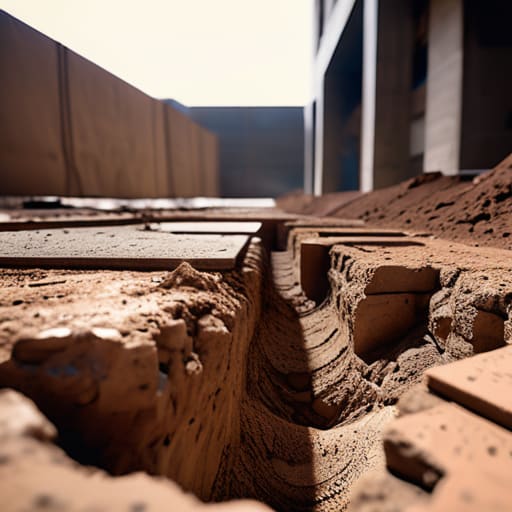
I’ve seen it a dozen times: a contractor shows up with a fancy plan for structural stability improvement, but they haven’t even bothered to dig a trial hole to see what they’re actually dealing with. They treat the ground like it’s a static, predictable thing, but soil is a living, breathing headache. Most ground stabilization methods fail because they attempt to solve a surface problem with a surface solution. If you’re just injecting resins or pouring mass concrete underpinning without understanding the moisture content or the clay’s shrink-swell cycle, you aren’t fixing the house—you’re just putting a bandage on a broken limb.
The real reason these jobs fall apart is that people rush the subsidence remediation process. They want to get the heavy gear in and the concrete poured as fast as possible to clear the site. But if you don’t account for how the water is moving through that sub-base, your new work will just settle right alongside the old stuff. You can spend a fortune on the most expensive foundation repair techniques in the book, but if you haven’t addressed the reason the ground moved in the first place, you’re just throwing money into a hole.
The Subsidence Remediation Process Nobody Talks About
Most blokes think the subsidence remediation process is just about digging a hole and filling it with something stronger. They see a crack in the render and think they’ve got a concrete problem. They don’t. They’ve got a movement problem. You can spend a fortune on fancy foundation repair techniques, but if you aren’t addressing why that soil decided to give up the ghost in the first place, you’re just putting a bandage on a broken leg.
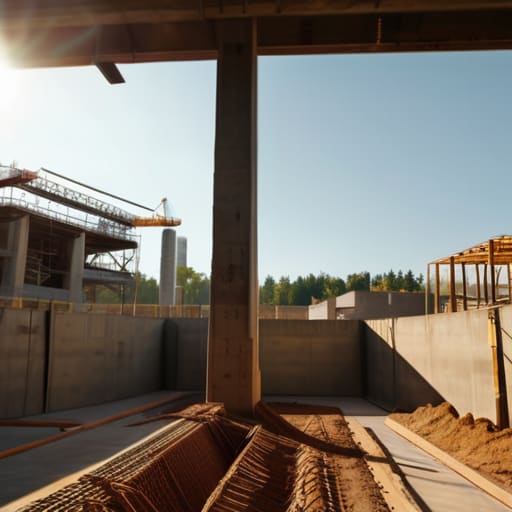
The real work—the stuff that actually ensures structural stability improvement—happens in the sequence of the excavation. I’ve seen too many crews rush the stages, trying to get the mass concrete underpinning poured before the ground has even settled into its new footprint. You have to work in sections, pit by pit, making sure each one is tied into the existing structure without compromising what’s still standing. It’s a slow, methodical dance of digging, cleaning, and pouring. If you try to skip the patience required for the proper sequence, you’ll find yourself back in the same position six months later, staring at the same cracks, only with a much lighter wallet.
Five Things That’ll Save Your Foundation Before the Concrete Even Arrives
- Stop obsessing over the mix design and start looking at the moisture. If you’re underpinning a house and you haven’t checked if the soil is bone-dry or a sodden sponge, you’re just guessing. You can pour the most expensive grade of concrete in the world, but if the ground shifts because you ignored the water table, that new foundation is just expensive gravel.
- Don’t trust a “quick fix” with mass pour underpinning. People love to talk about how much concrete they’ve pumped into a hole, but they never talk about the sequence. You have to work your way around the structure in stages. If you try to do too much at once, you’re just inviting the house to settle into your new work before it’s even set.
- Watch the weather like a hawk, not like an afterthought. I’ve seen lads try to pour underpinning in a frost or a downpour thinking “it’ll be fine once it sets.” It won’t. If you’re pouring into a cold, damp hole, you’re messing with the hydration process from minute one. If the conditions aren’t right, you don’t pour. Period.
- The joints are where the truth comes out. When you’re underpinning, you’re essentially trying to marry the old foundation to the new. If those joints aren’t prepared properly—cleaned out, keyed in, and handled with care—you’ll have a hairline crack running through your repair before the scaffolding is even down.
- Check the sub-base of your working area, not just the hole. I’ve seen plenty of jobs where the underpinning was done to spec, but the heavy machinery used to do the work crushed the very ground they were trying to stabilize. If your plant is trampling the site into a mess, you’ve lost the battle before you’ve even started.
Don't Build on a Prayer
At the end of the day, underpinning isn’t some magic trick you perform once the cracks have already split your masonry from top to bottom. It’s a discipline of preparation. If you haven’t sorted your sub-base, stabilized that shifting soil, and respected the sequence of the remediation, you’re just pouring expensive mud into a sinking hole. You can hire the most expensive engineers in the country, but if they ignore the reality of the ground beneath the footings, they’re just documenting a failure in slow motion. Remember: the success of your underpin is decided by what you do in the dirt, not by how shiny the new concrete looks once it’s cured.
I’ve spent forty-three years watching people try to take shortcuts with foundations, and let me tell you, the ground never forgets and it never forgives. If you’re doing this job, do it right the first time. Don’t be the person who tries to patch a symptom instead of fixing the cause. Get the stabilization correct, respect the load, and never compromise on the sub-structure. It might be more work and it might be more expensive upfront, but a foundation built on truth will stand long after the people who cut corners have been forgotten. Build it so you never have to look at it again.
Frequently Asked Questions
How do I know if the crack in my wall is just settling or if the sub-base has actually given way?
Look, a hairline crack is one thing, but you need to look at the pattern, not just the gap. If it’s a single, straight line, it might just be the house finding its feet. But if you see stair-stepping through the mortar or a crack that’s wider at the top than the bottom, that’s the ground moving. If the crack is growing or the door frames are sticking, your sub-base has given up the ghost.
If I've already poured the slab, can I still fix the ground underneath without tearing the whole thing out?
Look, if you’ve already poured, you’ve already made it difficult. You’re asking if you can fix the foundation without a sledgehammer, and the honest answer is: maybe, but it’s never simple. You aren’t looking at traditional digging anymore; you’re looking at resin injection or micro-piling. You’re essentially trying to perform surgery through a keyhole. It’s possible to stabilize the ground through the slab, but don’t expect it to be cheap or easy.
When is it actually worth paying for underpinning, and when am I just throwing money at a patch job that won't hold?
Look, if your house is moving because a tree sucked the moisture out of a clay patch, you can patch the cracks all day, but you’re just painting a sinking ship. If the movement is structural and ongoing, you pay for the underpinning. If it’s just seasonal swelling or a bit of settling from a dry summer, leave it be. Don’t spend five grand to fix a crack that’s just a bit of character.