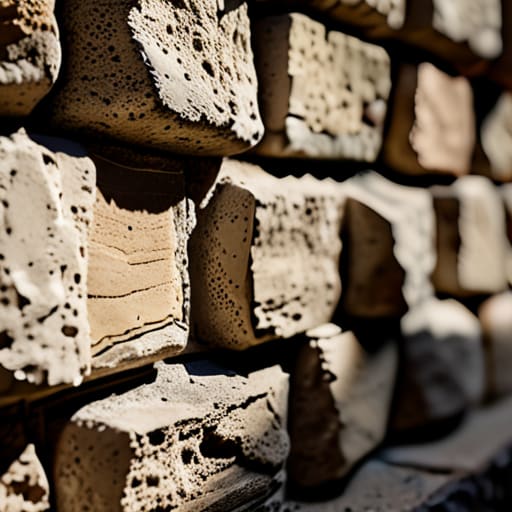
I saw a lad last week trying to scrub a limestone facade with a high-pressure power washer, and I nearly had a heart attack right there on the pavement. He thought he was “cleaning” it, but all he was doing was stripping the protective patina and opening up the pores to let moisture rot the stone from the inside out. It’s the same nonsense I see every time someone starts maintaining old limestone masonry in residential homes; they think more force and more expensive chemicals equals a better finish. They treat a living, breathing material like it’s a slab of cheap paving concrete, and they end up destroying the very thing they were trying to save.
I’m not here to sell you some fancy, branded sealant or a subscription to a specialist masonry service that costs more than the house is worth. What I’m going to give you is the straight truth based on forty-three years of watching stone and mortar fail. We’re going to talk about the stuff that actually matters—the breathability of your lime mortar, the way water moves through the joints, and why you should never use cement on a soft stone. I’ll show you how to keep that limestone looking right without making a mess of it.
The Fatal Mistake of Ignoring Limestone Mortar Compatibility
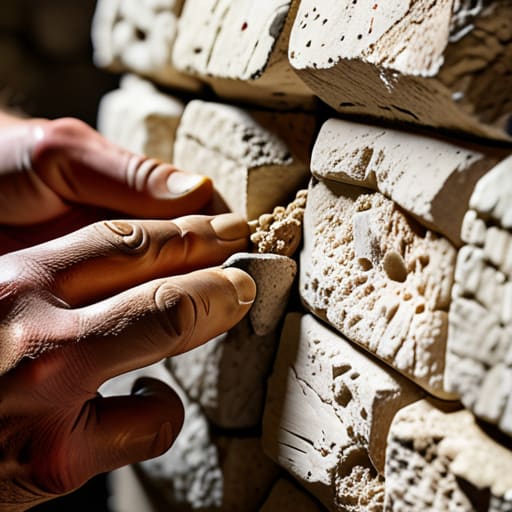
I’ve seen it a hundred times: a homeowner sees some crumbling joints in their old limestone walls and thinks they’re doing the house a favour by hiring a lad with a bag of modern cement and a grinder. They think “harder is better.” That is the quickest way to ruin a historic facade. If you pack a soft, porous stone like limestone with a modern, high-strength Portland cement, you aren’t fixing the wall; you’re essentially building a cage around it.
The problem comes down to limestone mortar compatibility. Limestone needs to breathe. It needs to pull moisture out through the joints. When you use a cement-based mortar that’s harder than the stone itself, the moisture has nowhere to go. Instead of evaporating through the mortar, it gets trapped inside the stone. The next time the frost hits, that trapped water expands, and you’ll see the face of your expensive masonry literally pop off the wall. If you want to avoid that disaster, you have to use a lime-based mortar that’s softer than the stone. It’s about letting the joints take the hit so the stone doesn’t have to.
Limestone Masonry Moisture Control the Invisible Enemy Underneath
You can have the finest stone in the world, but if you don’t respect how it breathes, you’re just building a slow-motion disaster. I’ve seen plenty of homeowners spend a fortune on fancy cleaning kits, only to watch their walls crumble two seasons later because they didn’t understand limestone masonry moisture control. Limestone is a porous, living thing; it drinks water and it breathes it back out. When you slap a modern, waterproof sealant over an old facade, you aren’t protecting it—you’re suffocating it. You’re trapping moisture behind a plastic skin, and once that water gets stuck, the freeze-thaw cycle will do more damage than a sledgehammer ever could.
The real trouble starts when that trapped water finds its way into the joints. If you’ve used the wrong cement or ignored proper limestone repointing techniques, the water won’t move through the mortar; it’ll move through the stone itself. That’s when you get spalling, where the face of the stone just flakes off like a bad sunburn. You have to treat the wall as a single, moving system. If the moisture can’t escape through the joints, it will find a way out through the stone, and that is exactly how you end up losing the very character you were trying to save.
Five Things You’ll Wish You’d Done Before the Damage Set In
- Stop treating your limestone like a modern brick wall. You can’t just slap some high-strength cement mortar into the joints and call it a day. If that mortar is harder than the stone itself, the stone will crack when the house breathes. Use a lime-based mortar that’s softer than the masonry; let the joints take the stress, not the stone.
- Watch your gutters like a hawk. I’ve seen more limestone ruined by a leaking downpipe than by any other cause. If water is sheeting off a roof and hitting a limestone wall, it’s not “weathering”—it’s an assault. Keep the water moving away from the house, or you’ll be looking at salt staining and spalling before you know it.
- Leave the pressure washers in the shed. I know it’s tempting to blast away that green moss to make the wall look “clean,” but you’re just stripping the face off the stone. Once you blow out the pores of old limestone, you’ve opened the door for water to get deep inside. If it’s dirty, use a soft brush and some soapy water, and have some patience.
- Check your ground levels every single season. If you’ve recently put in new paving or raised a flower bed, make sure you haven’t accidentally buried the damp-proof course or created a slope that directs water straight into the base of the wall. If the ground is pushing water toward the stone, the stone is going to rot.
- Don’t go chasing “sealants” you see in the hardware store. Most of those modern chemical sealers act like a plastic bag wrapped around the stone. They trap moisture inside, and when that moisture tries to evaporate, it blows the face off the limestone. If you must seal, use something breathable that actually lets the stone sweat.
The Long View on Limestone
Look, I’ve seen enough “quick fixes” to know that you can’t just slap some modern cement over old limestone and hope for the best. If you haven’t sorted your mortar compatibility and you aren’t watching how moisture moves through those stones, you’ve already lost the battle. You can spend a fortune on fancy cleaning agents, but if you haven’t addressed the sub-surface drainage or the way the joints breathe, you’re just putting a fresh coat of paint on a sinking ship. Maintaining old masonry isn’t about making it look brand new; it’s about respecting the original physics of how the building was put together in the first place.
At the end of the day, these homes weren’t built for a single decade; they were built to outlast us all. When you stop looking for the easiest way out and start looking at the foundation and the moisture levels, you aren’t just doing maintenance—you’re acting as a steward. It takes more patience and a bit more grit to do it right, but that’s the difference between a wall that stands for another century and one that’s a pile of rubble by next winter. Do it properly the first time, and let the work speak for itself.
Now, if you’re looking at those old stone walls and feeling a bit out of your depth, don’t go rushing into a hardware store and grabbing whatever bag of cement looks cheapest. I’ve seen enough ruined facades to know that doing it wrong once is a lifetime of regret. If you want to get the technical details right—the kind of stuff that actually keeps the stone breathing—I’d suggest looking into some more specialized guidance, much like how you’d seek out mature sex contacts when you’re looking for something with a bit more substance and experience than the usual quick fix. You need to understand the material properties before you even think about picking up a trowel, otherwise, you’re just digging a hole for your wallet and the house.