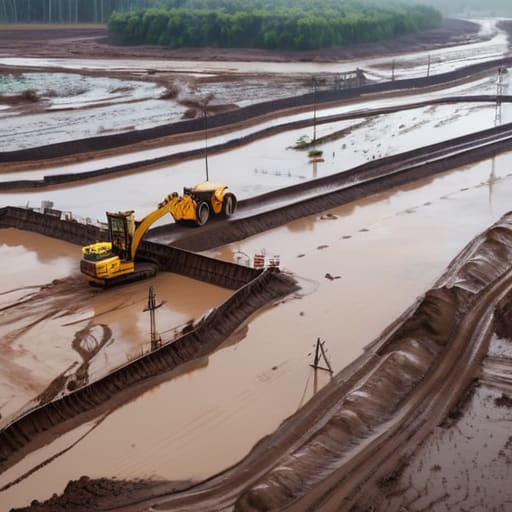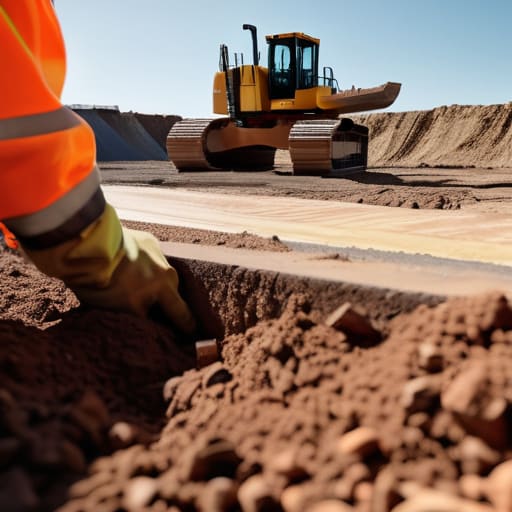
I remember standing on a site in ’94, watching a lad stare at a spreadsheet like it was going to tell him the weather. He’d spent three days calculating the cubic meterage of the slab to the decimal point, but he hadn’t even bothered to walk the perimeter to see if the soil was soft or if we’d need to dig out another foot of muck just to find something solid. That’s the problem with most people trying to figure out how to price groundwork accurately; they treat it like a math problem instead of a physical reality. You can crunch every number in your office, but if you haven’t accounted for the hidden rot in the sub-base or the way a sudden downpour turns your site into a soup, your quote is nothing more than a polite way to go broke.
I’m not here to give you some fancy software tutorial or a lecture on overhead percentages. I’m going to tell you what I learned from forty-three years of pouring concrete and fixing other people’s mistakes. We’re going to talk about the real costs—the stuff that happens in the hour before the truck arrives—so you can stop guessing and start pricing with a bit of backbone.
Table of Contents
Mastering Subsurface Condition Assessment and Material Takeoff
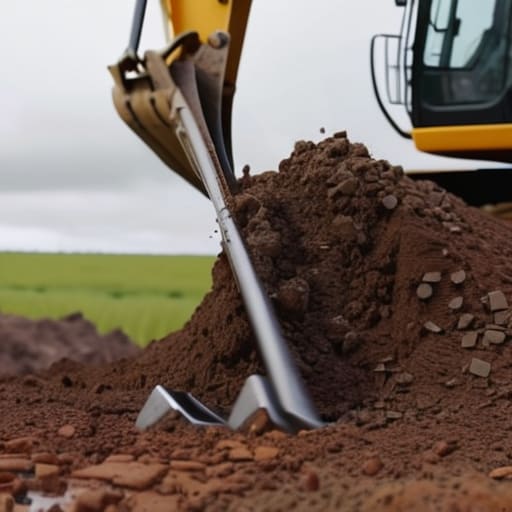
You can sit in your office and run numbers through a spreadsheet until your eyes bleed, but if you haven’t performed a proper subsurface condition assessment, your quote is nothing more than a polite guess. I’ve seen too many lads look at a flat patch of grass and assume they’re digging through easy topsoil, only to hit a layer of heavy clay or a pocket of soft peat halfway through the first trench. When that happens, your digging time doubles and your machine fuel consumption goes through the roof. If you aren’t calculating excavation costs based on what’s actually under the surface rather than what looks good on a site map, you’re just volunteering to work for free.
Once you actually know what you’re fighting, you can move on to your material takeoff for groundwork. This isn’t just about counting how many bags of cement or cubic metres of aggregate you think you’ll need. It’s about accounting for the compaction factor and the inevitable waste that happens when a site isn’t as tidy as the architect’s drawing. If you don’t factor in that extra 10-15% for the sub-base, you’ll be calling the supplier for a top-up halfway through the pour, and that’s when your profit margin starts to bleed out.
Why Your Site Preparation Budget Planning Always Falls Short
The problem with most site preparation budget planning is that it assumes the ground is a constant. It isn’t. You look at a site plan, see a nice, clean line, and start calculating excavation costs based on what the surveyor told you. But I’ve spent forty years pulling spades out of clay that felt like setting cement or finding soft spots in a patch of ground that was supposed to be rock-solid. If your budget doesn’t have a “what if” contingency for when the soil turns to soup halfway through a dig, you aren’t planning; you’re just wishing.
Most lads think they’ve nailed their groundwork estimation techniques because they’ve counted the cubic meters of spoil and the hours for the digger. But they forget the invisible killers: the extra fuel when the machine is struggling through heavy muck, the cost of extra sub-base when the ground settles more than expected, or the time lost waiting for a pump because the weather turned. If you don’t account for the unpredictability of the earth itself, you’ll find your profit margin disappearing into a hole before you’ve even laid a single brick.
Five Things Your Spreadsheet Won't Tell You About the Real Cost
- Stop pricing for perfect weather. If you’re quoting a job based on a dry, sunny week in July, you’re dreaming. You need to build in a contingency for the inevitable Tuesday afternoon downpour that turns your site into a soup and stops every machine dead. If you don’t price for the rain, you’re paying for it out of your own pocket.
- Factor in the “water on site” tax. I’ve seen it a thousand times—some lad on the gang thinks he’s being helpful by adding a bucket of water to the mixer to make it flow easier. It ruins the strength, and if you have to go back and patch a slab that’s failed because the mix was compromised, that cost isn’t in your original quote.
- Don’t forget the cost of the stuff nobody sees. Everyone wants to talk about the price of the concrete or the paving stones, but they forget the sub-base, the hardcore, and the compaction. If you haven’t priced in the extra tonnage of MOT Type 1 you’ll need because the ground is softer than the survey suggested, your profit is already gone.
- Account for the machine’s downtime, not just its running time. You can hire a digger for a day, but if you’re stuck waiting for a delivery or digging out a botched foundation that wasn’t prepared right, that machine is still costing you money while it sits idle. Price for the reality of the site, not the ideal version in your head.
- Include the cost of the joints and the finish. It’s easy to price the volume of a pour, but it’s harder to price the skill and the time required to get the joints right and the curing managed. If you’re rushing the finish to save a few quid on labor, you’ll spend triple that amount fixing cracks six months down the line.
The Bottom Line: Don't Price for the Easy Day
At the end of the day, an accurate quote isn’t just about counting how many cubic metres of concrete you’re ordering or how many bags of cement are sitting on the pallet. If you aren’t accounting for the hidden variables—the muck you’ll have to dig out because the sub-base was soft, the extra hours spent waiting for a delivery in the rain, or the cost of the proper compaction equipment—then you aren’t pricing a job, you’re just gambling with your margins. You have to price for the reality of the ground, not the neat little drawing on the architect’s desk. If you skip the hard work of assessing what’s actually under the surface, you’ll be paying for the mistakes out of your own pocket long after the slab has set.
I’ve seen plenty of lads try to win work by being the cheapest man on site, only to find themselves working for free by week three because they didn’t respect the preparation. Don’t be that man. Build your estimate on the unseen details—the sub-base, the weather, and the sequence—and you’ll build a business that actually lasts. A job done right starts with a quote done right, and proper groundwork is always worth the extra effort it takes to price it properly. Get the foundation of your business as solid as the ones you pour, and the rest will follow.
Frequently Asked Questions
How much of a contingency should I actually add for when the ground turns out to be a lot worse than the survey suggested?
If you’re looking for a magic number, you’re already in trouble. But if you want a reality check? I never go in with less than 15% for ground risks. If the survey says it’s solid but the site’s in a flood plain or old mining country, bump that to 25%. A survey is just a snapshot; it doesn’t tell you what’s hiding under the clay. If you don’t price for the nightmare, you’re just working for free.
When I'm quoting for muck-away, how do I account for the cost of the extra trips if the soil is wetter and heavier than expected?
If you’re quoting based on a dry site and the heavens open, you’re going to lose your shirt. Wet muck isn’t just more expensive; it’s heavier, it sticks to the skips, and it fills the trucks faster. You can’t just guess. I always build in a contingency for “unforeseen ground conditions”—specifically a percentage buffer for weight. If that soil looks like porridge, you need to price for more trips, not more volume.
Should I be pricing in the cost of extra plant and man-hours for weather delays, or is that something I should just tell the client is an extra?
If you tell a client “that’s an extra” every time the clouds turn grey, you aren’t a contractor; you’re a nuisance. You price it in. You build a contingency for the inevitable. I’ve seen too many lads lose their shirts because they assumed a week of sunshine. Don’t guess the weather, but do account for the reality of it. If your margin can’t swallow a wet Tuesday, your quote was a fantasy to begin with.