I’ve lost count of how many times I’ve stood on a site, watching some lad lay down a massive grid of mesh like he’s building a skyscraper, only to watch the whole slab snap in half six months later. People think they can just throw more steel at a problem to fix a bad job, but that’s a bloody lie. They get so caught up in the cost of the metal that they forget the most basic truth about how reinforcement works in concrete: it isn’t a magic wand that fixes a rubbish sub-base or a rushed pour. If your ground isn’t solid and your spacing is a joke, all that expensive rebar is nothing more than expensive scrap metal waiting to be buried.
I’m not here to give you a lecture from a textbook or some shiny brochure from a supplier. I’m going to tell you how it actually works when the rain is coming down and the truck is idling. We’re going to talk about placement, cover, and why the steel only does its job if you’ve done yours before the first drop of mix hits the ground.
Table of Contents
The Truth About Compressive vs Tensile Strength
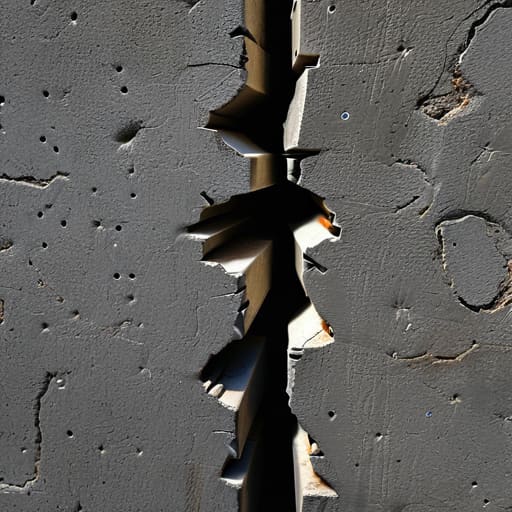
Now, listen. Most people think concrete is some kind of magic stone that can hold up a house or a highway on its own. It can, sort of—if you’re only pushing down on it. That’s its strength: compressive strength. You can pile a mountain of weight on a solid slab, and as long as that weight is pushing straight down, the concrete is happy. But the second you get any bending, twisting, or shifting, you’re in trouble. That’s where the tensile strength comes in, and that is where concrete is fundamentally rubbish.
If you try to pull a piece of concrete apart or bend it, it’ll snap like a dry biscuit. That’s why we don’t just pour a slab and hope for the best; we use steel to bridge that gap. The steel takes all that pulling force that would otherwise shatter the mix. But don’t go thinking the steel does the job alone. If your concrete-steel bond strength is poor because you’ve got dirty rebar or you’ve let the mix bleed too much, the steel will just slide right through the concrete like a hot knife through butter. You need them working as one unit, or you’ve just poured an expensive pile of gravel.
Why Concrete Steel Bond Strength Is Your Only Insurance
Now, listen. You can have the best mix design in the world and the most expensive steel money can buy, but if that steel isn’t actually gripping the concrete, you’ve just poured a very expensive pile of rocks with some metal sticks stuck in the middle. That’s the reality of concrete-steel bond strength. It isn’t just about having the rebar there; it’s about the two materials acting as one single unit. If the bond fails—whether it’s because the steel was covered in mud, oil, or just poorly positioned—the concrete will try to handle the tension on its own. And as we already discussed, concrete is rubbish at handling tension.
When that bond breaks, you lose the structural integrity of reinforced concrete instantly. Instead of the load being shared across the whole slab, the concrete starts working in isolation, and that’s when you see those nasty, deep cracks spidering through your work. You aren’t just building a surface; you are creating a composite material. If the grip isn’t there, you aren’t building a structure, you’re just waiting for it to fail.
Five Things the Spec Sheet Won't Tell You About Getting the Steel Right
- Stop treating rebar like a decoration; if those bars aren’t sitting exactly where the engineer called for, they’re just expensive scrap metal buried in a slab. You can have the best mix in the world, but if that steel is sitting on the dirt instead of being suspended in the middle of the pour, it’s doing absolutely nothing for your tensile strength.
- Watch the spacers like a hawk. I’ve seen too many lads lazily kick the chairs or use bits of brick to prop up the mesh, only for the steel to sink to the bottom the second the truck starts discharging. If that steel isn’t encased in enough concrete cover, you’re just inviting rust to eat your structure from the inside out.
- Don’t let the lads tie the mesh too tight or too loose. You need a continuous, solid skeleton, not a bunch of disconnected islands. If your laps aren’t long enough or your ties are spaced out like a joke, the whole thing will shift during the pour, and you’ll end up with a slab that has all the structural integrity of a wet biscuit.
- Clean your steel before the pour. I don’t care if it’s been sitting in a yard for a week; if that rebar is coated in thick mud, oil, or loose scale, the concrete won’t grab onto it. You can’t have a bond if the concrete is just sliding over a layer of filth, and once it’s poured, you’ll never know until the cracks start appearing.
- Mind the temperature of the steel itself. If you’re pouring on a freezing morning and that rebar is ice-cold, it’s going to suck the heat right out of your mix and mess with your curing. You want that steel to be part of the structure, not a heat sink that causes the concrete to contract and crack before it’s even set.
The Bottom Line on Reinforcement
Look, if you’ve followed me this far, you know I’m not interested in the fancy marketing brochures the ready-mix companies hand out. We’ve covered the basics: concrete is a beast at taking weight, but it’s rubbish at being pulled apart. That’s why we throw steel in there—to handle the tension and keep the whole mess from snapping like a dry biscuit. But remember, all that rebar is useless if it’s sitting in a puddle of mud at the bottom of the trench or if it isn’t tied in tight enough to actually grip the mix. You can have the highest grade steel in the world, but if you don’t respect the bond between the metal and the stone, you’re just pouring expensive scrap metal into a hole.
At the end of the day, a good pour isn’t about showing off with a perfectly smooth finish for the neighbors to see. It’s about what happens deep inside the slab, where the steel and the concrete are working together in the dark. Do the prep right, get your spacers in, and don’t let anyone talk you into skipping the details just to save an hour. If you respect the science of the reinforcement and the integrity of the sub-base, you’ll build something that stays level long after we’ve both retired. Build it once, build it right, and don’t let the easy way out ruin your reputation.
Frequently Asked Questions
If the steel is what's doing the heavy lifting, why can't I just use a higher grade of concrete instead of paying for all this rebar?
Look, I’ve heard that one more times than I’ve poured a slab. You can order the highest grade C40 mix in the country, but concrete is still a brittle bastard. It’s great at taking a load pushing down, but the moment that ground shifts or the temperature swings, the concrete wants to snap. High-strength mix won’t stop a crack from forming; it just means the crack might happen more violently. The steel is there to hold the pieces together when the inevitable happens.
What happens to the reinforcement if the sub-base settles or shifts after the pour is finished?
If the ground moves, the steel is just along for the ride. People think rebar is a magic wand that stops movement, but it’s not. If your sub-base wasn’t compacted properly and it settles, you’re going to get a crack. The steel will hold the slab together so it doesn’t snap in two, but it won’t stop that crack from showing up right on the surface. You can’t reinforce your way out of bad ground.
How do I know if the steel is actually sitting in the middle of the slab where it belongs, or if it's just resting on the bottom like a pile of scrap?
If you see your mesh or rebar sitting on the dirt, stop the pour immediately. That’s not reinforcement; that’s just expensive scrap metal. You don’t just throw steel into a trench and hope for the best. You use spacers—plastic chairs, concrete blocks, or even bits of broken brick if you’re desperate—to lift that steel into the middle of the slab. If it’s touching the sub-base, it’s useless. It’s got to be suspended.