I remember standing on a site in the Midlands back in ’98, looking at a perfectly fine-looking brick facade that was actually leaning like a drunk on a Friday night. The homeowner had spent a fortune on a structural engineer who wanted to run expensive thermal imaging and ultrasonic tests, but I didn’t need a computer to tell me the truth. You don’t find the problem by looking for a broken piece of metal hidden deep inside the cavity; you find it by reading the cracks that are screaming at you from the surface. Most people go looking for high-tech solutions when they should be learning how to detect wall tie failure by simply watching how the building breathes and shifts.
I’m not here to sell you a fancy diagnostic kit or some overpriced consultancy report. I’ve spent forty-three years watching how masonry reacts when the internal skeleton decides to give up the ghost, and I’m going to tell you exactly what to look for with your own eyes. We’re going to skip the jargon and get straight to the real indicators—the bulging, the diagonal cracking, and the tell-tale signs that your wall is losing its grip. I’ll show you how to spot the rot before it turns into a structural nightmare.
Table of Contents
Reading the Signs of Masonry Deterioration
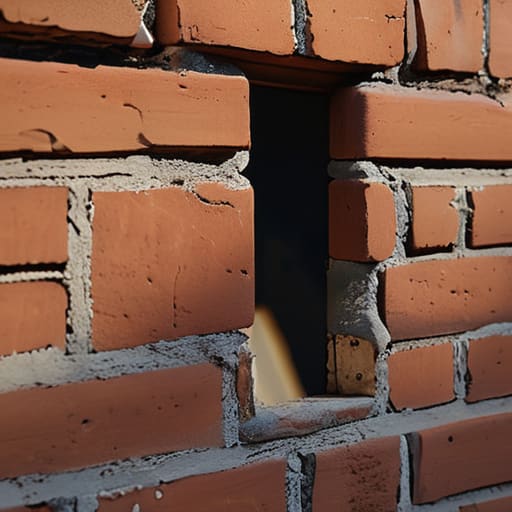
You don’t start by looking for a rusted piece of metal hidden deep inside a cavity; you look for the symptoms the building is shouting at you. If you see diagonal cracks creeping up from the corners of window openings or door frames, that’s the house telling you the two leaves of the wall aren’t working as a single unit anymore. When the outer skin starts to bow or bulge, even slightly, you aren’t just looking at a cosmetic nuisance—you’re looking at a loss of cavity wall structural integrity.
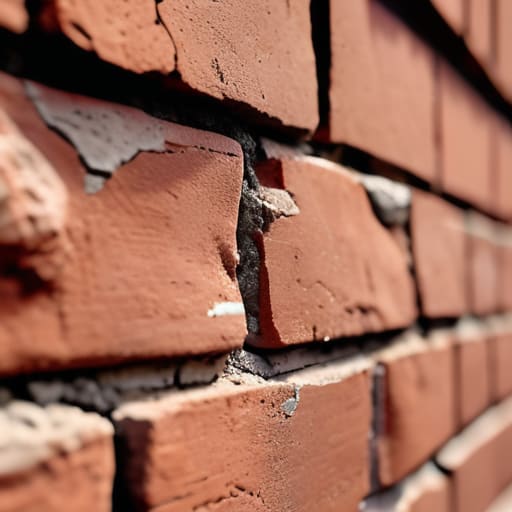
I’ve seen plenty of lads try to patch up a crack with some fresh mortar and hope for the best, but if the ties have gone, that mortar is just a bandage on a broken limb. You need to pay attention to mortar joint degradation as well. If the pointing is crumbling and the bricks feel loose, it’s often a sign that moisture has been sitting in that cavity, eating away at the metal. Before you go calling in a structural engineer for a full wall survey, get close and look for those tell-tale signs of movement. If the wall is moving, the ties have already lost the fight.
Inspecting Brickwork Stability Beyond the Surface
Now, don’t go thinking that a clean-looking face tells you the whole story. I’ve seen plenty of houses that look grand from the kerb, but once you start inspecting brickwork stability with a bit of actual scrutiny, the truth comes out. You need to look for the subtle shifts. If you see a vertical crack that isn’t just a bit of seasonal movement, or if the brickwork seems to be bulging—even just a fraction of an inch—that’s your red flag. A bulge is the wall’s way of telling you it’s lost its internal skeleton. When those ties snap or rust away, the outer leaf is basically just a heavy curtain waiting for a stiff breeze to knock it over.
You also need to keep a sharp eye on the mortar joint degradation. If the pointing is crumbling or hollow, it’s often because moisture is getting trapped in that cavity and eating away at everything it touches. If you find yourself staring at a wall that feels “soft” or looks slightly bowed, stop poking at it and get a structural engineer wall survey sorted. It’s better to catch a failing tie now than to be standing there when the whole leaf decides to move.
What to Look For Before the Whole Wall Comes Down
- Stop looking at the mortar and start looking at the gaps. If you see vertical cracks running up the face of the brickwork, especially where a corner meets a main wall, that’s not just the house settling. That’s the wall trying to peel away from the internal structure because the ties that should be holding it together have rusted into nothing.
- Watch the window and door openings like a hawk. If you notice the lintels looking a bit wonky or the frames starting to bind and stick, don’t just blame the weather. Often, it’s because the masonry around the opening is shifting because the ties in that specific area have failed, and the weight of the wall is no longer being distributed properly.
- Check the “bow” in the wall. Get yourself a long straight edge or even just a bit of string line and hold it up against the face of the masonry. If you see a bulge—even a slight one—it means the outer leaf is leaning outward. That’s a massive red flag that your ties are gone and the wall is essentially standing on its own without any lateral support.
- Look for “efflorescence” that won’t go away. Now, a bit of white salt staining is common, but if you see heavy, persistent white crusting around certain areas of the brickwork, it can mean moisture is getting trapped behind the skin of the wall. If that moisture is sitting there because the ties are corroding and creating voids, you’ve got a serious problem brewing.
- Listen to the house, literally. If you’re hearing new cracks popping or creaking during temperature changes, it’s a sign that the structural integrity is shifting. A healthy wall stays quiet; a wall that’s lost its ties will move and groan as the masonry tries to find a new, albeit unstable, way to stand up.
Don't Wait for the Collapse
At the end of the day, detecting wall tie failure isn’t about looking for a single smoking gun; it’s about being observant enough to see the pattern. You look for those tell-tale diagonal cracks, the way a brick skin starts to bulge like it’s holding its breath, or the sudden appearance of damp patches where the weather is getting behind the face. If you’ve seen the signs we discussed—the shifting masonry and the widening gaps—then you know the bond is already compromised. Don’t try to patch the crack with a bit of mortar and call it a day, because you aren’t fixing the problem; you’re just hiding the symptom. You have to address the connection between the leaf and the structure, or you’re just waiting for gravity to do its job.
I’ve spent forty-three years watching people try to save a few quid by ignoring the small things, only to end up paying triple when the whole face comes away from the house. My advice is simple: listen to what the building is telling you. If the walls are moving, they are telling you they’ve lost their grip. It’s better to deal with a structural repair now while you still have a house to stand in, rather than waiting for the moment the masonry decides it’s had enough. Build it right, maintain the ties, and for heaven’s sake, don’t ignore the cracks.
Frequently Asked Questions
If I see a crack, how do I know if it's just the mortar failing or if the actual ties have snapped inside the wall?
Look, a hairline crack in the mortar is usually just the house breathing or the mix being a bit lean—that’s a simple pointing job. But if that crack is stepping diagonally through the bricks themselves, or if you see a vertical split that’s wider at the top than the bottom, you’ve got a problem. That’s the wall trying to peel away because the ties have snapped or rusted out. If the brick is moving, the tie’s gone.
Is there a way to check the condition of the ties without having to tear the whole facing brickwork off?
You’re asking the right question. Nobody wants to spend a fortune ripping off perfectly good brickwork just to see if a bit of metal’s gone rusty. You start with a borescope—a tiny camera on a flexible cable—pushed through the mortar joints. If you can’t get in there, you look for “tell-tale” cracks or bulging, then you use a probe to check for movement. If the wall moves when you push it, the ties are gone.
Once I've found a failed tie, how much of the rest of the wall should I assume is already gone?
If you’ve found one failed tie, you stop looking at that single brick and start looking at the whole run. One failed tie isn’t an isolated incident; it’s a symptom. If the corrosion has set in on one, the salt and moisture have likely been eating the others for years. I’d assume at least twenty percent of that section is compromised. You don’t just patch the hole; you look for the pattern of decay.