I remember standing on a site in the Midlands back in ’94, looking at a structural slab that looked perfectly fine to the untrained eye, only to find the steel inside was already turning into rust. People love to talk about carbonation like it’s some invisible ghost haunting the building, but let me tell you, it’s much more practical than that. Most blokes will try to sell you a fancy, expensive sealant to fix the symptoms, but they won’t tell you that understanding how carbonation damages concrete starts with the pH levels you set during the initial pour. If you didn’t get the mix right or you let the surface dry too fast, you’ve basically invited the air to come in and eat your reinforcement from the inside out.
I’m not here to give you a lecture from a textbook or some academic nonsense that doesn’t work when the rain is coming down sideways. I’m going to tell you exactly what happens when that CO2 moves in and why your cover depth is more important than the brand of cement you bought. I’ll show you how to spot the warning signs before the cracks actually appear, focusing on the real-world mistakes that lead to structural failure.
Table of Contents
Atmospheric Carbon Dioxide Penetration the Silent Invisible Intruder
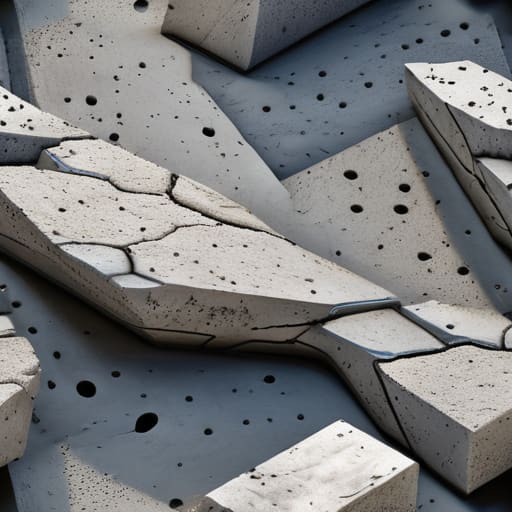
You can’t see it happening, and that’s the trouble. While you’re looking at the surface, worrying about whether the finish is smooth enough or if the color is right, there’s a silent, invisible intruder working its way through the pores of your slab. This atmospheric carbon dioxide penetration isn’t some sudden disaster; it’s a slow, steady creep. CO2 from the air finds its way into those tiny microscopic voids we worked so hard to minimize, and once it gets in, it starts a chemical war with the very thing that makes concrete strong.
It’s essentially a process of concrete alkalinity reduction. See, concrete is naturally highly alkaline, which is what keeps the internal environment stable. But as the CO2 reacts with the mix, it leads to calcium hydroxide depletion. When that happens, the protective chemical shield around your rebar—what the engineers call the passivation layer—simply vanishes. Once that passivation layer breakdown occurs, the steel is sitting there, naked and vulnerable, waiting for the first sign of moisture to turn it into rust. By the time you see the cracks or the staining, the battle was lost years ago.
Calcium Hydroxide Depletion What Happens When the Chemistry Fails
Look, you can pour the finest mix in the world, but if you don’t understand the chemistry happening inside that slab, you’re just building a ticking time bomb. When that carbon dioxide gets in, it starts a chemical tug-of-war. It reacts with the calcium hydroxide—that’s the stuff that keeps the mix stable and highly alkaline—and turns it into calcium carbonate. This calcium hydroxide depletion is the real killer. It’s not just a change in the mix; it’s the fundamental loss of the concrete’s natural ability to protect itself.
Once that alkalinity drops, you’ve lost your first line of defense. In a healthy pour, the high pH creates a protective film around your rebar, but as the pH falls, you hit a passivation layer breakdown. That’s when the shield disappears. Without that alkaline environment, the moisture and oxygen that have been creeping in through the pores finally have a clear path to the metal. That’s when the real damage starts: the steel begins to rust, expands, and eventually cracks your concrete from the inside out.
How to stop the rot before it starts
- Get your w/c ratio right the first time. If you’re adding extra water to the drum on-site just to make the mix flow easier for the lads, you’re basically opening the door for carbon dioxide. More water means more pores, and more pores mean a direct highway for the air to get in and start the damage.
- Don’t skimp on the cover. I’ve seen too many jobs where the steel is sitting too close to the surface because the lads were in a hurry with the spacers. If that reinforcement isn’t buried deep enough behind a solid, dense layer of concrete, carbonation will find it in no time.
- Watch your curing like a hawk. You can have the best mix in the world, but if you let it dry out too fast in the sun or wind, you’ll end up with a thirsty, porous surface. A well-cured slab is a dense slab, and density is your only real defense against the atmosphere.
- Check your compaction. If you aren’t vibrating the hell out of that pour to get the air bubbles out, you’re leaving a network of tiny tunnels inside the structure. Those voids are exactly what carbonation uses to travel deep into the heart of the concrete.
- Keep an eye on the environment. If you’re pouring in an area with heavy traffic or industrial fumes, you’re dealing with higher CO2 levels from day one. You can’t treat a high-exposure site like a garden path; you need a denser, more robust mix to stand a chance.
The Bottom Line on Carbonation
At the end of the day, carbonation isn’t some unpredictable act of God; it’s the predictable result of a chemical chain reaction that starts the moment the CO2 begins eating through your calcium hydroxide. You can pour the highest grade mix in the world, but if you don’t manage the porosity and respect the environment the concrete is sitting in, you’re just building a ticking time bomb. Once that pH level drops and the protection around your rebar vanishes, you aren’t just looking at a surface issue—you’re looking at structural decay from the inside out. It’s a slow, silent thief that thrives on poor cover and neglected chemistry, and by the time you see the cracks and the rust staining, the battle is already half-lost.
I’ve spent forty-three years watching men try to fix problems that should have been prevented before the first shovel hit the dirt. If you want a slab that actually lasts, stop obsessing over the finish and start focusing on the integrity of the chemistry and the protection of the steel. Don’t just pour and pray; understand what’s happening beneath the surface. Build it right, cure it right, and respect the science of the mix, and you won’t be the one I’m calling ten years down the line to tell you why your foundation is crumbling.
Frequently Asked Questions
If the concrete looks perfectly fine on the surface, how am I supposed to know if carbonation has already reached the steel reinforcement?
That’s the trap, isn’t it? You’re looking at a slab that looks as solid as the day it was poured, but underneath, the chemistry is rotting away. You can’t see carbonation with the naked eye—it doesn’t turn the concrete black or make it crumble instantly. If you want the truth, you stop guessing and use a phenolphthalein indicator. You spray it on a fresh break; if it stays clear, the carbonation’s hit the steel.
Can I stop the carbonation process once it's started, or is the structure already a lost cause?
Look, if you’ve caught the carbonation after the steel has already started rusting, you’re playing a losing game of catch-up. Once that pH drops and the protection is gone, the damage is already done inside. You can patch the surface or apply coatings to slow the air down, but you aren’t reversing the chemistry. It’s like trying to un-spill milk. You can patch the symptom, but you can’t undo the rot.
Does using a higher grade of concrete or a different mix design actually slow this down, or is it just a matter of waiting for the inevitable?
Look, a higher grade isn’t a magic shield, but it certainly buys you time. If you’re pouring a dense, low water-to-cement ratio mix, you’re making the “road” harder for that CO2 to travel down. A weak, watery mix is like a sponge—it invites the carbonation in. It’s not about waiting for the inevitable; it’s about building a structure dense enough to make the inevitable take decades instead of years.