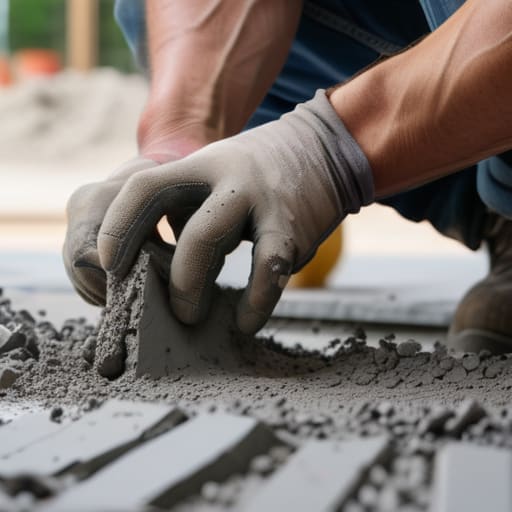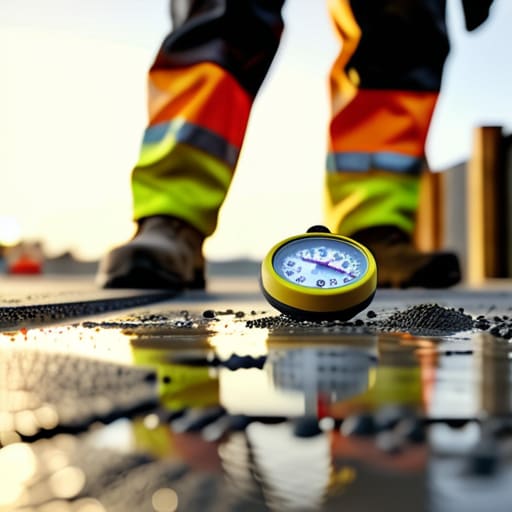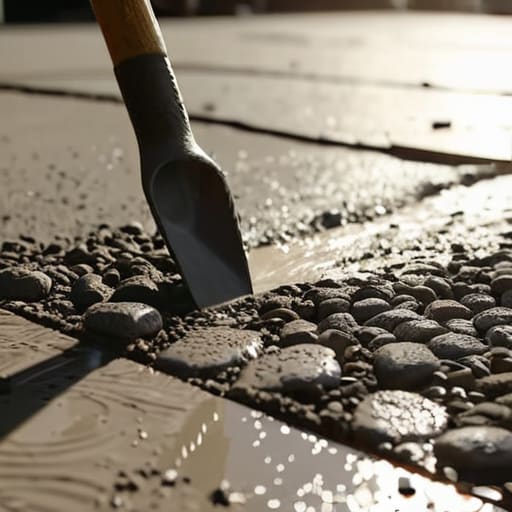
I remember standing on a driveway in July back in ’98, watching a lad—barely old enough to shave—reach for a garden hose to thin out a stiff mix because the sun was beating down and the lads were sweating. He thought he was helping the flow, but all he was doing was destroying the structural integrity of that slab before the truck had even pulled away. Most people think the heat is just a nuisance that makes the job sweatier, but they don’t realize that understanding how hot weather affects concreting is the difference between a foundation that lasts forty years and one that starts spider-webbing cracks before the week is out.
I’m not here to give you some textbook lecture or sell you on expensive chemical additives you don’t actually need. I’m going to tell you exactly what happens when the moisture leaves the mix too fast and how to stop it. We’ll talk about the real killers: the evaporation rates, the hydration race, and why you need to be thinking about your curing plan the moment you check the forecast. I’ll show you how to manage the pour so the sun doesn’t win.
Table of Contents
The Hidden War of Hydration Heat in Concrete
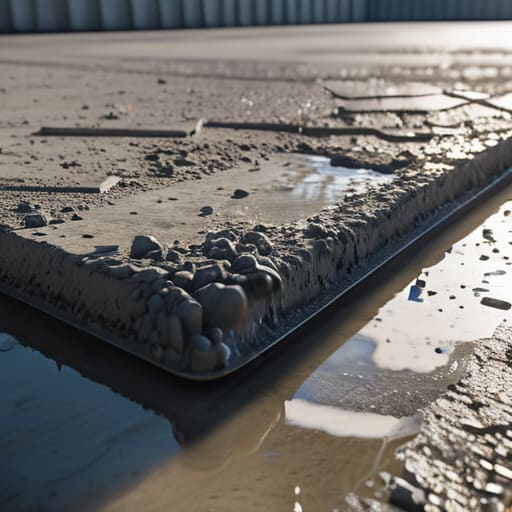
Now, here’s what most of the lads won’t tell you: concrete isn’t just some dead weight sitting in a pile; it’s a chemical reaction that generates its own heat. This is the hydration heat in concrete, and when the sun is already beating down on your slab, you’re essentially fighting a war on two fronts. You’ve got the ambient temperature trying to bake the surface, and then you’ve got that internal heat building up deep inside the mass. If that internal temperature spikes too fast, you’re looking at a thermal gradient that’ll tear your slab apart from the inside out before it’s even fully set.
It’s a delicate balance, and if you lose control of that thermal rise, you’re asking for trouble. When that internal heat meets a surface that’s being dried out by a hot wind, you get massive internal stresses. This is exactly how you end up preventing plastic shrinkage cracking—or rather, failing to do so. If you aren’t managing that heat, those cracks aren’t just surface scratches; they’re structural warnings that you’ve lost the battle.
Why Concrete Slump Loss in Heat Ruins Your Timing
Here’s the problem with a hot day: the clock starts ticking the second that truck pulls up, and it ticks much faster than you think. You’ll see it happen a dozen times—you get a good, workable mix, but within twenty minutes, the stuff starts stiffening up like it’s seen a ghost. This concrete slump loss in heat isn’t just a nuisance for your screed team; it’s a death sentence for the finish. When the mix loses its fluidity too fast, you end up fighting the material instead of working with it, and that’s when mistakes happen.
The temptation is always there. I’ve seen it a thousand times: a lad sees the mix getting stiff and thinks he’s doing the boss a favour by splashing a bit of water on top to get it moving again. Don’t do it. You’re messing with the water-cement ratio in high temperatures, and once you’ve diluted that strength, you can’t take it back. You might get a smooth surface for ten minutes, but you’ve just ensured that the slab will be weak and prone to failure. If you lose your slump because you didn’t plan for the sun, you’re better off calling the plant and rescheduling.
Five Ways to Stop the Heat from Ruining Your Hardstanding
- Check your sub-base before the truck even turns the corner. If you’re pouring onto a bone-dry, sun-baked sand or hardcore bed, that ground is going to suck the moisture straight out of your mix like a sponge. Dampen it down first; you want it moist, not puddling, so the ground doesn’t steal your water before the concrete can set.
- Ban the bucket. I’ve seen it a thousand times: the lads get frustrated because the mix is getting stiff in the heat, so they splash a bit of water in to make it “workable.” You aren’t making it easier; you’re diluting the cement and killing your PSI. If it’s too stiff, call the plant and tell them you need a different slump, or use a proper plasticiser. Don’t touch the water.
- Watch the clock, not the sun. In the heat, your window of opportunity shrinks. You might think you’ve got all afternoon, but that mix is going to start “going off” way faster than you’re used to. If you aren’t ready to screed and finish the moment that truck starts discharging, don’t even bother calling it in.
- Protect your edges and joints. Heat causes rapid shrinkage, and if your joints aren’t cut deep enough or at the right time, the concrete will find its own way to crack. Don’t wait until the next morning to think about your saw; you need to be ready to get those control joints in before the surface tension pulls the slab apart.
- Cure it like your life depends on it. Once it’s down, the battle isn’t over. You need to keep that moisture in. Whether it’s spraying a curing compound or covering it with damp hessian, you have to stop the evaporation. If you let the surface dry out too fast while the middle is still reacting, you’ll end up with a dusty, weak mess that’ll flake off in a month.
Don't Let the Heat Cheat You
Look, if you’ve followed me this far, you know the drill. You can’t just show up when the sun is high and hope for the best. You’ve got to respect the hydration heat, watch that slump like a hawk so you aren’t left with a pile of stiff, useless grit, and for the love of everything holy, keep the water out of the mix once that truck arrives. If you ignore the sub-base prep or try to rush a finish because the surface is drying too fast, you aren’t building something permanent; you’re just making a future headache for someone else to fix. The heat is a thief, and if you aren’t prepared, it’ll steal your strength and your finish before you’ve even pulled the screed.
At the end of the day, a good pour isn’t about how fast you can get the job done; it’s about how well you managed the variables you couldn’t control. I’ve seen plenty of lads try to fight the weather, and I’ve seen plenty more work around it, but the ones who succeed are the ones who plan for the worst-case scenario. When you finally pull the forms and see a clean, level, solid slab that won’t crack the moment a heavy load rolls over it, you’ll know you did it right. Do the job properly the first time, and you won’t have to spend your retirement explaining to angry customers why their driveway is falling apart.
Frequently Asked Questions
If I'm pouring in the heat, should I be asking the plant for a different mix design or just changing how I treat it on site?
You do both, and you do them before the truck pulls up. If you’re staring down a heatwave, don’t just hope for the best with your standard mix. Call the plant and ask for a retarded set or a lower cement content to keep that hydration heat from spiking. But once it’s on site, the responsibility is yours. Keep the aggregate shaded, work fast, and for heaven’s sake, keep the water in the truck, not in the mixer.
How much of a difference does actually making a difference with curing compounds versus just wetting the surface down with a hose?
There’s a massive difference, and if you think a garden hose is a substitute for a proper curing compound, you’re asking for cracks. Wetting it down is a constant battle; the second that surface dries, you’ve lost the war. A decent compound seals the moisture in and keeps it there. It’s about consistency. You can’t stand there with a hose for three days straight, but the compound works while you’re off the site.
At what point do I stop trying to save a pour and just tell the driver to take the truck back to the yard?
When the mix starts acting like stiff porridge and you’re seeing the edges of the slab setting while the middle is still a puddle, you’re losing. If the driver is staring at you, waiting to dump a bucket of water in just to get it moving, tell him to turn the truck around. Once you lose that chemical window, you aren’t pouring concrete anymore—you’re just laying expensive, brittle gravel that’ll crack before the week is out.