I remember standing on a site in late November, watching a young lad try to justify a pour because “the mix is strong enough.” The wind was cutting right through my jacket, and the frost was already creeping across the sub-base. He thought he could just slap a bit of plastic over the top and call it a day, but I knew better. People love to get caught up in fancy chemical additives or expensive heating blankets, but they miss the point entirely. They don’t realize that how cold weather affects concreting isn’t just about the temperature of the wet mix; it’s about the heat leaving that slab faster than it can ever hope to generate its own.
I’m not here to sell you on some miracle powder or a complicated spreadsheet. I’ve spent forty-three years watching slabs crack and crumble because someone ignored the basics of thermal management. In this guide, I’m going to tell you exactly what I’ve learned from four decades of pouring in the biting cold. We’re going to talk about the real risks—from the sub-base temperature to the critical curing window—without any of the marketing fluff. If you want to do it right, you need to understand the science of the soak, not just the thermometer reading.
Table of Contents
The Impact of Sub Zero Temperatures on Hydration
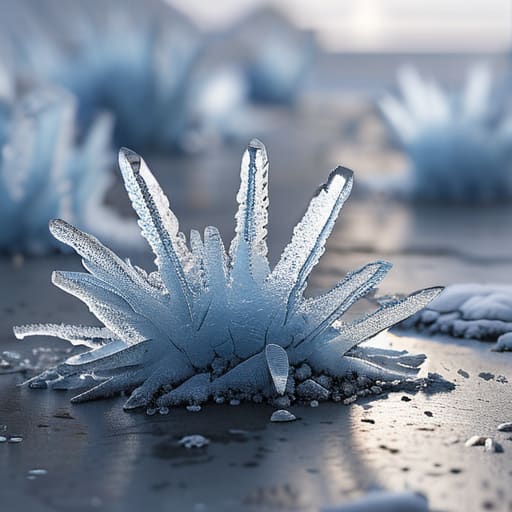
Look, I’ve seen it a hundred times: a lad thinks he can just pour a standard mix in November and hope for the best. He’s wrong. You need to understand that concrete isn’t just a liquid you pour into a mould; it’s a chemical reaction. That reaction—what the books call hydration—needs heat to survive. When you’re dealing with the impact of sub-zero temperatures on hydration, you aren’t just slowing things down; you’re effectively putting the chemistry into a coma. If the water inside that mix freezes before the crystals have a chance to lace together, you aren’t making a slab, you’re making a pile of expensive gravel.
Once that water turns to ice, it expands. It tears the internal structure apart before the thing has even had a chance to set. This is how you end up with massive concrete strength loss in winter that no amount of patching can fix later. If you aren’t monitoring your concrete curing temperature requirements like your life depends on it, you’re just gambling. You can throw in some accelerated concrete setting admixtures to try and cheat the clock, but if the core temperature drops too low, the chemistry simply quits on you.
Preventing Freeze Thaw Damage Before the First Crack
If you think you can just pour a slab and walk away when the frost is biting, you’re asking for a headache you can’t fix later. Most lads think the danger is the water freezing in the mix, but the real killer is the cycle. You get a bit of thaw, the water moves into the microscopic pores, and then it freezes again, expanding and blowing the face right off your finish. Preventing freeze-thaw damage isn’t about luck; it’s about managing the heat you’ve got.
You can’t just rely on the sun or a bit of plastic sheeting if the mercury is dropping. I’ve seen too many jobs where they tried to save a few quid by skipping thermal insulation for concrete slabs, only to see the surface turn to powder within a month. If you’re working in serious cold, you need to be looking at accelerated concrete setting admixtures to get that hydration moving before the temperature kills it. You have to treat that slab like a living thing that needs warmth to grow, otherwise, you aren’t building a foundation—you’re just laying expensive gravel.
Five Things You Can’t Afford to Skip When the Frost Sets In
- Watch the water, not just the mix. I’ve seen too many lads try to thin out a stiff mix with a hose because it’s easier to spread in the cold, but you’re basically just inviting a structural disaster. Adding water in low temps messes with the water-to-cement ratio and kills your strength before you’ve even finished screeding.
- Get your thermal blankets ready before the truck arrives. If you’re waiting until the concrete is already sitting there, losing heat to the air, you’ve already lost the battle. You need to trap that chemical heat immediately; otherwise, you’re just pouring expensive mud that’ll never reach its design strength.
- Check your sub-base for frost heave. It doesn’t matter how good your mix is if you’re pouring onto ground that’s frozen solid. That frozen soil is going to expand, and when it thaws, your slab is going to move, and you’ll be the one answering the phone when the cracks show up six months later.
- Don’t rush the finish. In the cold, everything feels like it’s taking too long, and the temptation to keep working the surface is high. But if you overwork it while the temperature is dropping, you’ll trap moisture at the top, and you’ll end up with a surface that flakes off like a biscuit the first time it gets hit with frost.
- Plan for the cure, not just the pour. A cold-weather pour doesn’t end when the screed is done; it ends when the concrete has reached its critical strength. If you don’t have a plan to keep that slab warm and protected for the first few days, you might as well save your money and don’t pour at all.
Don't Let the Weather Win
At the end of the day, if you’ve ignored the sub-base, skimped on the thermal protection, or let some lad add too much water to the mix just to make it spread easier, you’ve already lost. Cold weather isn’t just a nuisance; it’s a thief that steals the strength out of your slab before it’s even hard. You have to respect the science of hydration and, more importantly, respect the unforgiving reality of the thermometer. If you manage your curing, protect your joints, and keep that heat in the mass, you might just get through the season without a phone call from a customer complaining about cracks six months down the line. Don’t fight the elements; manage them.
I’ve seen too many young lads try to rush a pour because they wanted to get home before the frost set in, and I’ve spent more time than I care to admit looking at the mess they left behind. Concrete is a living thing for those first few days, and if you treat it with the proper respect, it’ll stand for a lifetime. It’s about doing the job right when nobody is watching—especially when it’s freezing and your fingers are numb. Stick to the sequence, watch your temperatures, and take pride in the groundwork. That’s how you build something that actually lasts.
Frequently Asked Questions
If I’ve already poured and the temperature drops overnight, is there anything I can do to save it, or is it already a lost cause?
Look, if the concrete is already down and the frost is biting, you’re playing a desperate game of damage control. If it’s still plastic, get blankets or thermal covers over it immediately—stop the heat from escaping. If it’s already set and you see frost, you’re praying the hydration was far enough along. You can’t undo the physics, but you can try to insulate what’s left. Just don’t expect a miracle if you skipped the prep.
Everyone talks about the air temperature, but how much does the temperature of the ground and the sub-base actually matter when it's freezing?
Listen, if you’re only looking at the thermometer in the air, you’ve already lost the battle. You can have a mild afternoon, but if you’re pouring onto a sub-base that’s been sitting at minus two degrees all night, that concrete is dead on arrival. The ground acts like a giant heat sink; it’ll suck the life right out of your mix before the hydration even gets a chance to start. Warm the base or don’t bother pouring.
Is it worth the extra cost to use an accelerator or heated water, or am I just throwing money at a problem that could be solved with better covering?
Look, if you’re just throwing a bit of plastic sheeting over a slab in sub-zero temperatures, you’re playing a losing game. Covers keep the heat in, but they don’t create it. If the hydration process has already stalled because the mix is too cold, a tarp won’t save you. Using an accelerator or heated water isn’t “throwing money away”—it’s buying yourself a fighting chance. You’re paying for chemistry, not just warmth.