I remember standing on a job site in ’98, watching a lad spray a cheap, watery film over a fresh slab just to tick a box on his clipboard. The sun was beating down, the wind was drying the surface faster than the mix could settle, and I knew right then that the slab was doomed. Most people think you just slap some liquid on top and call it a day, but they don’t actually understand how curing compounds work to keep the moisture locked inside where it belongs. They treat it like a bit of paint, when in reality, it’s the only thing stopping the sun from stealing your hydration before the concrete has even had a chance to get its strength up.
I’m not here to give you a chemistry lecture or sell you on some expensive, over-hyped brand name that promises miracles. I’ve spent forty-three years watching slabs crack because someone got lazy with the curing, and I’ve seen enough failures to know the difference between a job done right and a job done fast. In this post, I’m going to strip away the jargon and tell you exactly how these compounds function in the real world. I’ll show you how to pick the right one so you aren’t wasting your money on a finish that’s going to fail the moment the weather turns.
Table of Contents
Mastering the Concrete Hydration Process Before Its Too Late
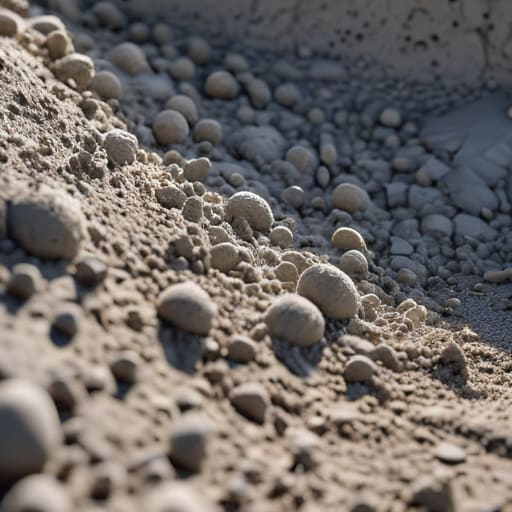
Look, you need to understand that concrete isn’t just “drying” like a puddle on the driveway. It’s a chemical reaction. When we talk about the concrete hydration process, we’re talking about water and cement eating each other to create a solid structure. If that water leaves the mix too fast because of a gust of wind or a midday sun, the reaction stops dead. You aren’t left with a hard slab; you’re left with a weak, dusty surface that’s basically just sand held together by hope.
That’s where your membrane-forming curing agents come in. Their job isn’t to “coat” the concrete for looks; it’s to lock that moisture in where it belongs. By creating a seal, you’re managing surface evaporation control so the internal chemistry can actually finish its job. I’ve seen too many lads think they can skip this step because the weather “looks fine.” Usually, that’s exactly when the surface starts pulling apart. If you don’t manage that moisture retention, you’re just inviting plastic shrinkage cracking to ruin your finish before the day is even out.
Surface Evaporation Control Keeping the Lifeblood Inside
Look, I’ve seen it a thousand times: a crew finishes a beautiful screed, stands back to admire it, and then the wind picks up or the sun starts beating down. Before they’ve even put the tools away, the surface is already gasping for air. That’s where you run into trouble with preventing plastic shrinkage cracking. If that moisture escapes too fast from the top layer, the surface pulls apart before the mix has even had a chance to settle. You aren’t just losing water; you’re losing the very chemical reaction that gives the slab its strength.
This is exactly why surface evaporation control isn’t some optional extra for when you have time—it’s the job. You need to lock that moisture in tight. Whether you’re using spray-on membrane-forming curing agents or just keeping a bit of shade over a tricky corner, the goal is simple: keep the water inside the mix. If the sun steals the water before the cement can use it, you’re left with a brittle, dusty surface that’ll flake off the moment a heavy load rolls over it.
Five Ways to Stop Your Slab from Self-Destructing
- Don’t treat it like a coat of paint. A curing compound isn’t there to make the surface look pretty; it’s there to trap the moisture inside. If you apply it too thin or miss a patch, the sun will find that gap and pull the water out, leaving you with plastic shrinkage cracks before the day is even done.
- Timing is everything, and I mean everything. You can’t wait until the slab looks bone dry to go in. You need to apply that compound as soon as the surface bleed water has disappeared. If you wait too long, you’ve already lost the battle to evaporation.
- Watch the wind, not just the sun. I’ve seen lads standing there in a dead calm, thinking they’re safe, only for a sudden breeze to strip the moisture right off the surface. If it’s windy, you better be moving twice as fast with that sprayer.
- Check your compatibility. I’ve seen blokes use a heavy-duty membrane and then try to lay a decorative finish or a resin on top a week later, only to find nothing sticks. If you’re planning on doing more work to that surface later, you need to know exactly what kind of film you’re leaving behind.
- Stop looking for a “magic fix” for bad mix design. A curing compound can’t fix a mix that’s been watered down on-site to make it easier to spread. It only works if the concrete actually has the water it needs to hydrate; it just stops that water from escaping too early.
The Bottom Line on Curing
Look, I’ve seen enough hairline cracks and dusting surfaces to last me another forty years, and they almost always boil down to the same mistake: treating the pour like the finish line. You can spend a fortune on the highest grade aggregate and a perfect slump, but if you let the wind and the sun strip the moisture out of that slab before the chemical reaction is done, you’ve essentially wasted your money. A good curing compound isn’t just an extra step on a checklist; it is the barrier between a structural success and a surface failure. You need to manage that hydration, control the evaporation, and make sure the mix stays wet long enough to do the job it was designed to do. Don’t let the surface dry out just because you’re tired of working.
At the end of the day, your reputation is built on what happens under the surface, not just how shiny the slab looks when the truck leaves. I’ve always told my lads that the easiest way to fail is to take a shortcut when the weather turns or when the schedule gets tight. If you respect the chemistry and you respect the timing, the concrete will respect you. It’s about doing it right the first time so you aren’t the one getting a phone call six months later explaining why a driveway is falling apart at the seams. Stick to the process, watch your curing, and you’ll sleep a lot better when the job is done.
Frequently Asked Questions
If I've already sprayed the compound, can I still apply a sealer or paint over it later, or am I stuck?
If you’ve sprayed a curing compound, you’ve essentially put a plastic wrap over that slab. Most sealers and paints won’t stick to it; they’ll just peel off in sheets the first time the weather turns. If you want to paint or seal later, you’ve got to strip that compound off first—which is a right headache. My advice? Decide what you want the finish to be before the truck arrives. Don’t try to fix it later.
Does a curing compound actually work if I'm pouring in a heavy wind, or is the moisture gone before the spray even hits the ground?
Listen, if you’re standing there in a gale trying to spray a compound, you’re fighting a losing battle. Wind is the enemy of every pour; it sucks the moisture right out of the surface before the concrete can even settle. If that wind is howling, your compound isn’t going to save you—it’ll just drift off into the next postcode. You either wait for a lull, or you use wet burlap. Don’t try to outrun the wind.
What's the difference between using a membrane and just covering the slab with plastic sheeting—is one actually better than the other?
Look, if you’re just trying to keep the rain off, plastic sheeting is fine. But if you’re talking about proper curing, they aren’t the same thing. Plastic is a blunt instrument; it traps moisture, but if the wind gets under it or it shifts, you’ve got uneven drying and a mess. A membrane is a professional’s tool—it creates a controlled, consistent seal that actually manages the evaporation. One’s a patch job; the other’s a process.